REVIEW · SEOUL
Seoul: DMZ Tour with Optional Suspension Bridge and Gondola
Book on GetYourGuide →Operated by VIP Travel · Bookable on GetYourGuide
The DMZ hits different when you see it. This guided day trip moves through the places where the Korean Peninsula’s division turns into real geography, with stops like Imjingak Park, the 3rd Infiltration Tunnel, and Dora Observatory. Add-ons can also swap in a Peace Gondola ride or a Red Suspension Bridge crossing, so you’re not stuck with only one version of the border story.
I really like two things about this experience: the way the itinerary is packed with major sites without feeling random, and the focus on clear English explanations from guides such as Alex, Ray, and Kelly. You’ll also appreciate the value because the tour bundles entry fees and round-trip transport into one price, so you can spend the day learning instead of sorting tickets.
The only real downside to plan for is pace. Time at each stop can feel tight, so if you want extra browsing, you’ll need to be selective—and bring snacks for the gaps.
In This Review
- Key things to know before you go
- Picking your DMZ route: classic, gondola, and bridge add-ons
- Imjingak Park and Freedom Bridge: walking symbolism, not just looking
- The 3rd Infiltration Tunnel and Dora Observatory: the two biggest reality checks
- Unification Village: the border as a lived boundary
- Suspension bridges as a visual reset: Majang Lake vs Gamaksan Red
- Peace Gondola: an aerial view that changes how you picture the area
- Monday-only DMZ View Tour: panoramas with no military sites
- How the timeline really feels: 5–9 hours, bus rides, and limited stop time
- Language, guides, and what the best ones do right
- Price and value: why a $33 DMZ day can still feel worth it
- Who should book this DMZ tour (and who might skip)
- Should you book this DMZ tour?
- FAQ
- How long is the DMZ tour?
- What sites are included on the classic DMZ tour?
- Is the gondola included?
- Can I add the suspension bridge options?
- Is there a Monday-only version of the tour?
- What language is the guide?
- What do I need to bring?
Key things to know before you go
- Professional English guide storytelling that keeps the day understandable and emotionally grounded
- Imjingak Park + Freedom Bridge for big symbolism you actually walk through
- 3rd Infiltration Tunnel and Dora Observatory as your two biggest “look and realize” moments
- Optional Peace Gondola or suspension bridges to change the border day from purely historical to scenic too
- Monday-only view option that swaps military sites for wider North Korea panoramas from a Starbucks observatory
Picking your DMZ route: classic, gondola, and bridge add-ons
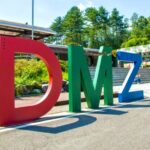
This tour is designed like a choose-your-own-border-day. The standard experience centers on the most famous nearby DMZ viewpoints: Imjingak Park, Freedom Bridge, the 3rd Infiltration Tunnel, and Dora Observatory, then it ends with a drive through Unification Village.
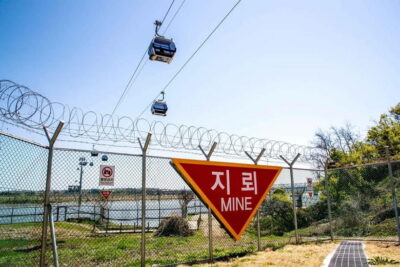
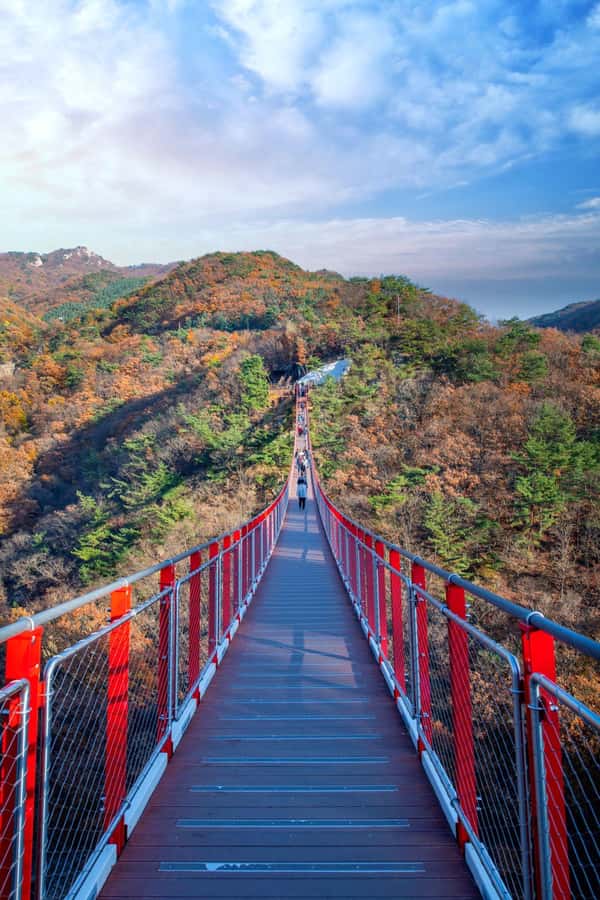
From there, you can modify the experience with add-ons. The Peace Gondola upgrade gives you an aerial view over the border area after which you continue on the full DMZ course. If you want more outdoor drama, you can add the Majang Lake Suspension Bridge walk—more nature and calmer water, with the suspension-bridge photo moment built in. Or you can go for the Gamaksan Red Suspension Bridge option, which is Korea’s longest red suspension bridge in nature-rich valleys, but note the timing constraint: if you choose this option, only the 7:00am tour is available.
If you’re wondering what version to choose, I’d match the tour to your travel mood. Want the clearest, most direct “DMZ highlights” day? Go classic. Want scenery with your history? Choose Majang Lake or Gamaksan. Want a different perspective on the same area? The gondola is the best switch-up.
You can also read our reviews of more tours and experiences in Seoul.
Imjingak Park and Freedom Bridge: walking symbolism, not just looking
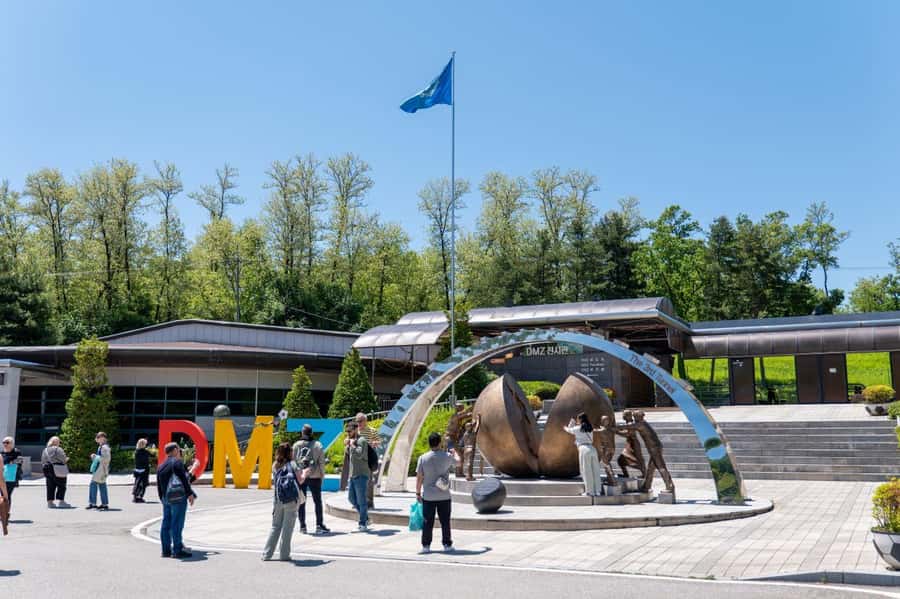
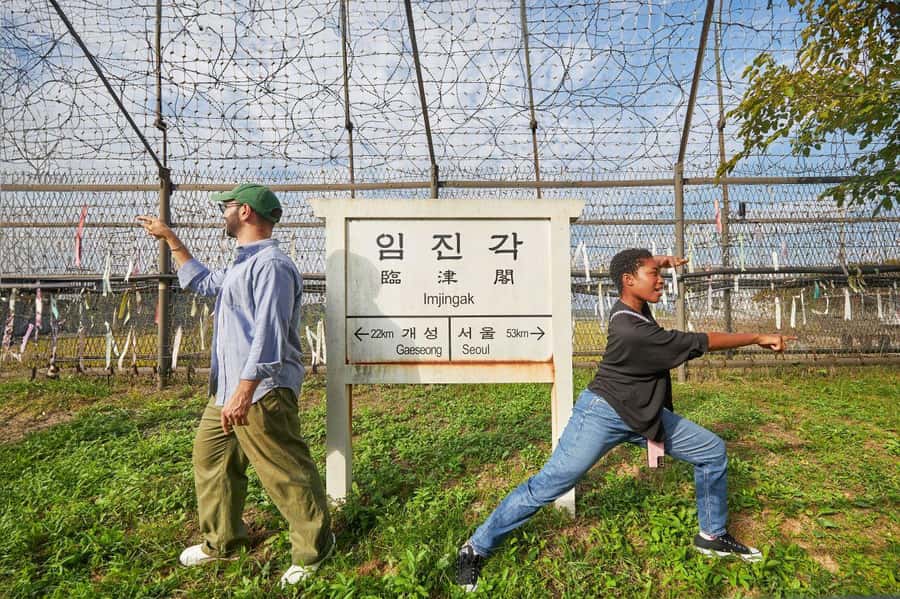
Your day starts with a guided stop at Imjingak. This is where the border story becomes tangible through war memorials and hope-filled symbolism. I like this part because it’s not only about what’s on the other side—it’s also about how South Korea has processed the division over time.
From there, you move to Freedom Bridge for a focused visit. Even in a short window, you get that “this is the line” feeling. The guide helps connect what you’re seeing to the larger idea of war versus peace, which matters because otherwise these locations can blur together into a generic photo stop.
One practical point: these early stops set the emotional tone. If you’re the type who likes to understand before photographing, this is your moment to slow down, ask questions, and let the guide’s context land.
The 3rd Infiltration Tunnel and Dora Observatory: the two biggest reality checks
The itinerary then shifts from memorials to underground history with the 3rd Infiltration Tunnel of Aggression. This stop is guided for about an hour. Expect the guide to explain what the tunnel represents and why it changed how people viewed the border. You’ll likely feel the contrast here: one moment you’re above ground seeing bridges and parks, and the next you’re facing a space built for covert movement.
Then comes Dora Observatory, your signature “look across the border” stop. It’s guided for about an hour, and this is where the day’s learning turns into a direct line of sight moment. Dora Observatory is powerful because it turns history into a physical direction you can understand in seconds.
What I’d do here is manage your expectations. You’re not touring a movie set; you’re witnessing what’s viewable from a controlled observation point. Still, with the guide framing it, the stop clicks into place.
Unification Village: the border as a lived boundary
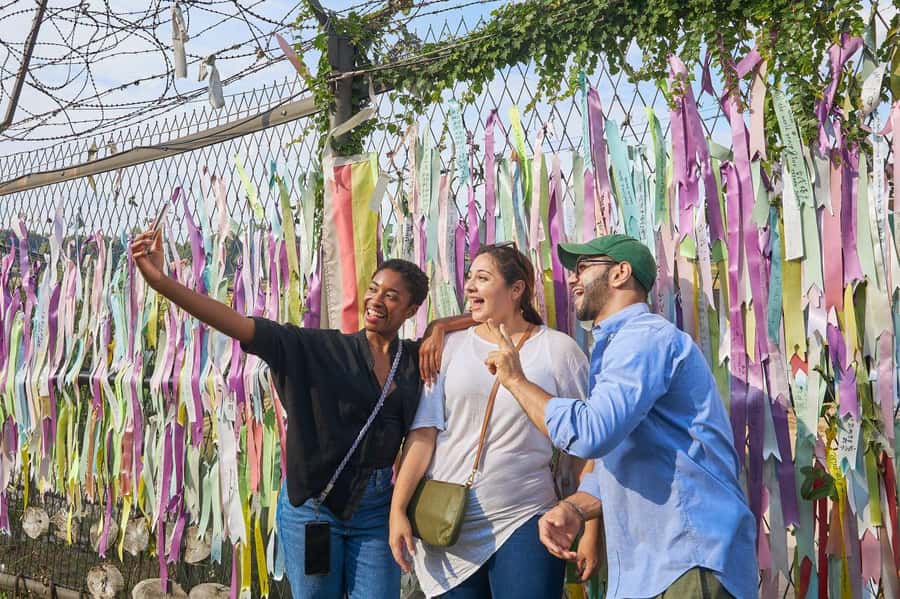
After you’ve seen the major DMZ sites, you drive through Unification Village, with a shorter guided window. This part gives you a different angle: the boundary isn’t only a distant concept. It affects communities and daily life right near the edge.
The good value here is perspective. Many DMZ days focus on dramatic sites and then rush out. Ending with a community-oriented stop helps you walk away with a more human sense of what “unification” means beyond politics.
Suspension bridges as a visual reset: Majang Lake vs Gamaksan Red
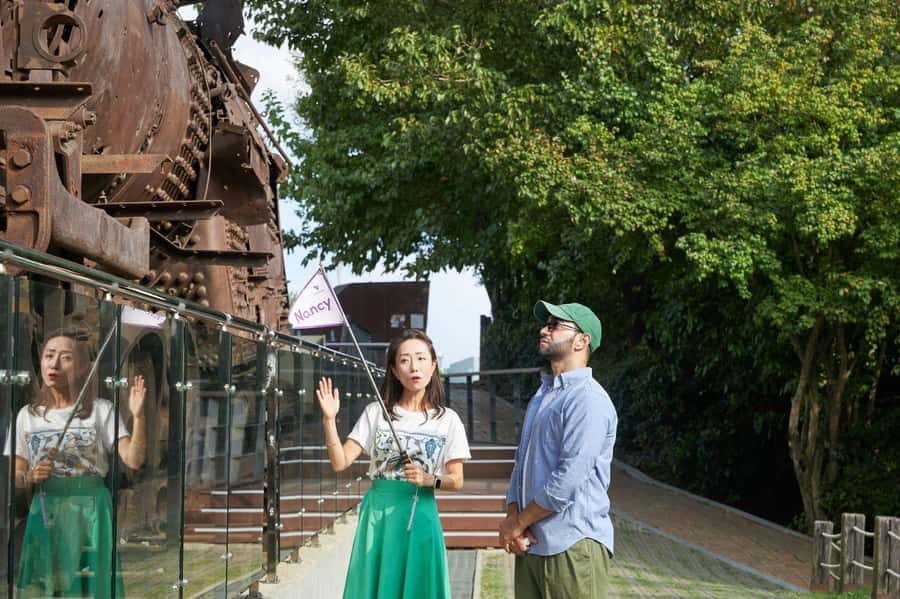
If you choose to add a suspension bridge, I think you’re getting more than an extra photo stop—you’re getting a reset. The DMZ day can feel heavy, and these bridges shift your body and eyes back toward scenery while staying close to the border zone experience.
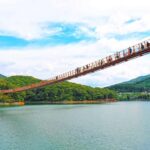
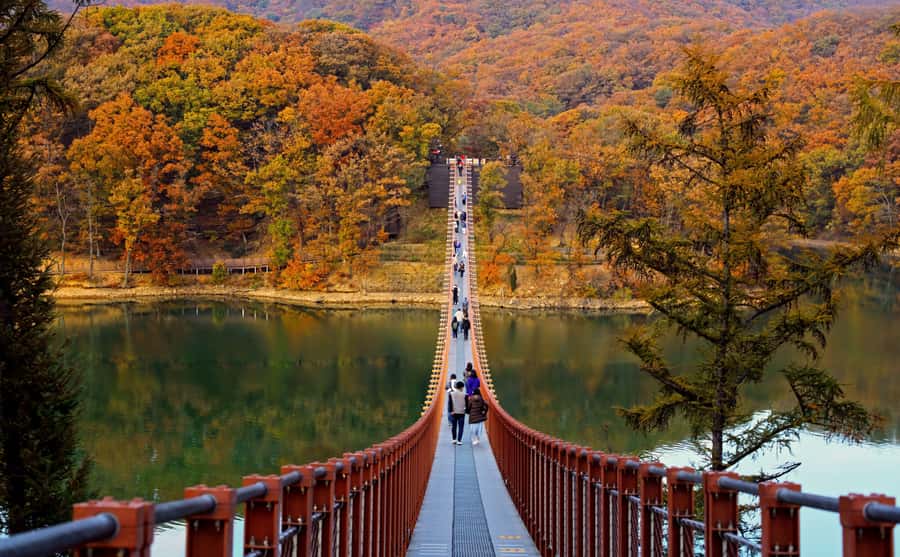
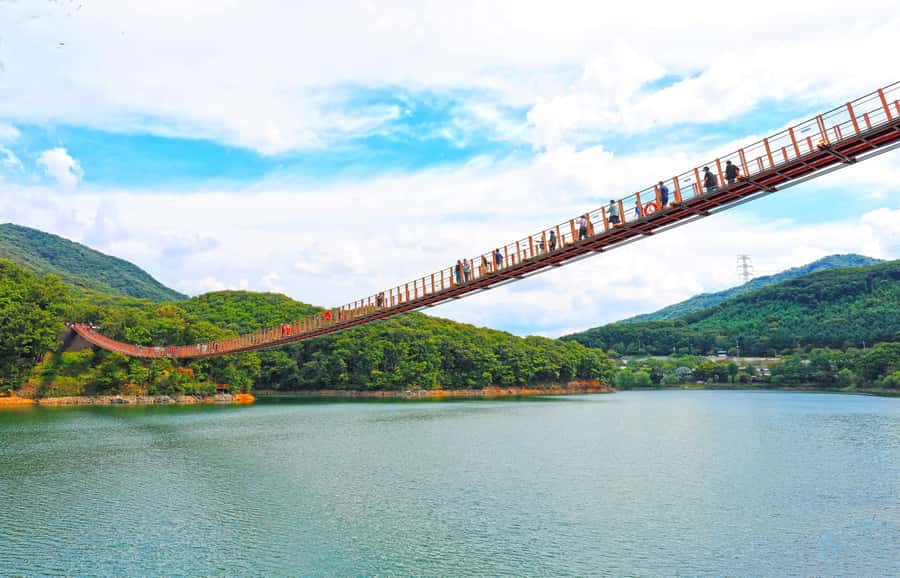
With Majang Lake Suspension Bridge, the tone is calm: forested surroundings, still water, and a walk across one of Korea’s longest suspension bridges. This is ideal if you like your history trips to include breathing space.
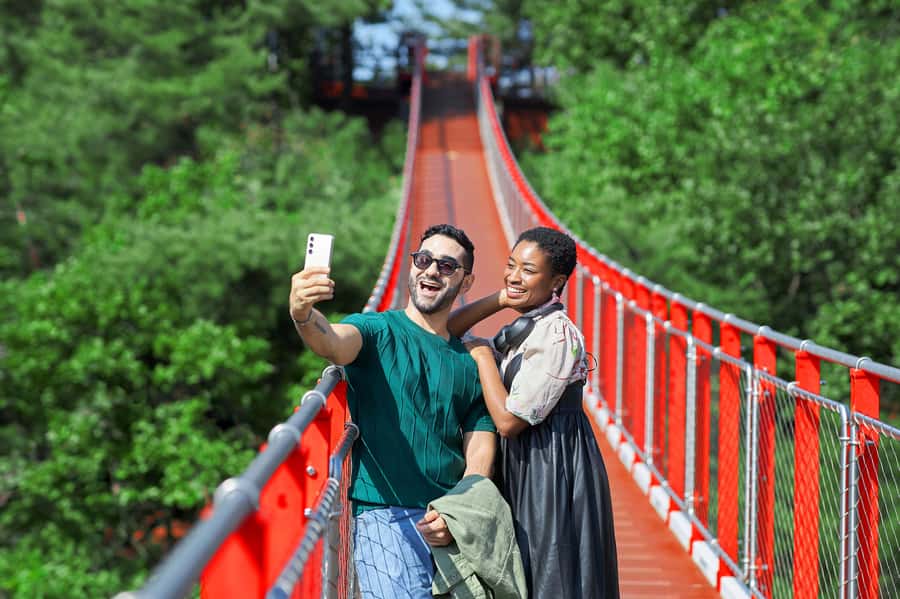
With Gamaksan Red Suspension Bridge, the mood is different. You’re crossing in a valley setting where the bridge becomes the main visual anchor. One important planning note: the Red Suspension Bridge option is only available on the 7:00am tour, so you’ll need to commit early.
If you’re traveling with people who get tired in museums or underground sites, a bridge add-on can keep the day balanced—without changing the core DMZ stops you came for.

Peace Gondola: an aerial view that changes how you picture the area
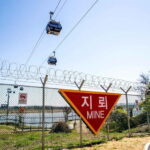
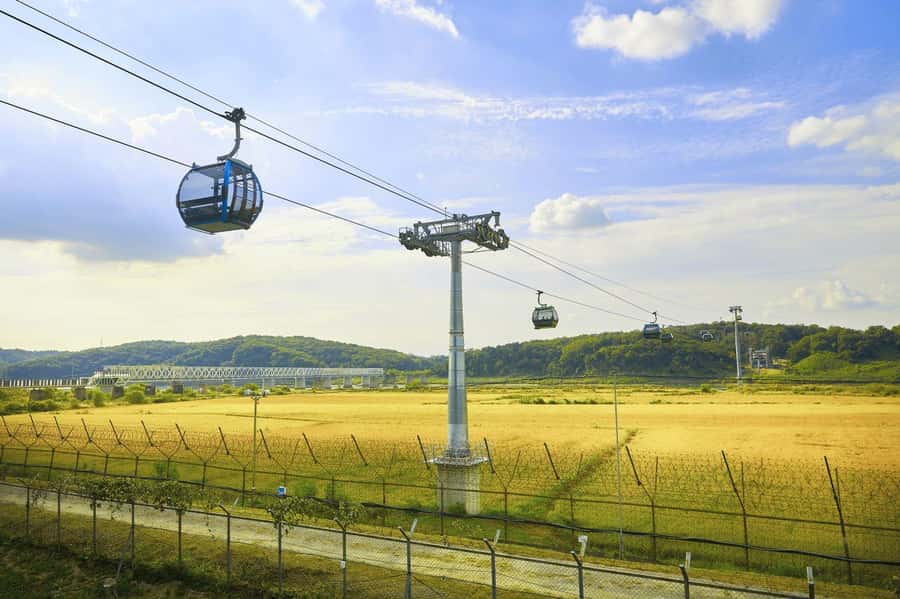
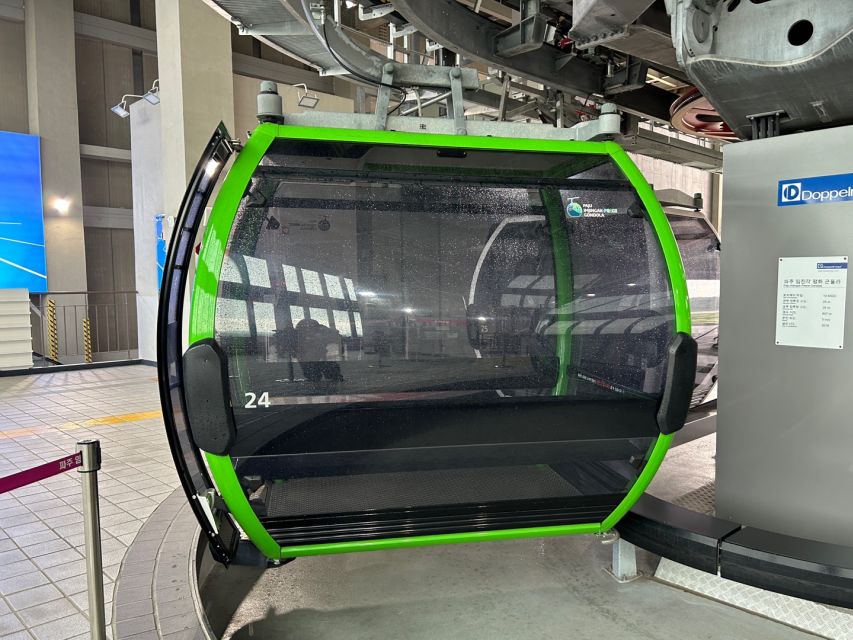
The Peace Gondola add-on is the “same day, new angle” choice. After the gondola ride, the itinerary continues through the full DMZ course, so you’re not trading away the main highlights—you’re stacking a fresh viewpoint on top.
A gondola matters here because it helps you see the border area as terrain instead of only as structures. From above, you can better connect what you learned at Imjingak, the tunnel story, and the observation point at Dora.
If you’re prone to feeling overwhelmed by too many stops, I like this add-on because it breaks up the emotional weight with a smooth, scenic segment. It’s also a change of pace you can point to when everyone wants one “non-heavy” moment.
Monday-only DMZ View Tour: panoramas with no military sites
If you’re booking for a Monday, there’s a different style of day available. The Monday DMZ View Tour is offered only on Mondays and skips the military sites. Instead, it focuses on wide panoramas, which makes the day feel more reflective and less intense.
You’ll visit Aegibong Ecopark and Jogang Observatory, then you get a very specific experience: time at the closest Starbucks with direct views across the border, described as an observatory-style setup.
I’d recommend this option if you’re traveling with someone who prefers scenery and observation over lots of military-related stops. It’s also a strong fit if you’ve already seen DMZ tunnels or bridges elsewhere and you want a change of emphasis.
How the timeline really feels: 5–9 hours, bus rides, and limited stop time
The total duration runs from about 5 to 9 hours depending on which option you choose, but the structure is consistent. You spend time traveling by coach, then you get a sequence of guided visits, and you return with another coach ride back into Seoul.
A typical flow looks like this: about an hour of bus time, then Imjingak for about an hour. Next you visit Freedom Bridge (about 30 minutes), then the 3rd Tunnel (about an hour), then Dora Observatory (about an hour). After that, you wrap with Unification Village (about 30 minutes), and then you’re back on the coach for about an hour.
Because the day packs a lot in, you should plan for limited time at each stop. I’d bring small snacks even if you can buy food during free time. The day moves, and it’s nicer when your energy doesn’t crash between segments.
One more real-world note: schedules can change due to military issues or weather problems, and refunds are not available if your route gets adjusted. It’s smart to keep your remaining day flexible and avoid booking tight follow-up plans right after your tour ends.
Language, guides, and what the best ones do right
The tour runs with an English live guide. What makes this kind of DMZ trip work is not just access—it’s interpretation. The reviews here strongly reward guides who explain things clearly and keep the group moving without confusion.
I paid attention to names that repeatedly came up: Alex, Ray, Kelly, Nancy, Gabby, Judy, Moon, Yuna, and Gogo. A few guides were praised not only for knowledge, but for tone—warm, funny, and easy to understand. One review also highlighted that a guide’s storytelling made the experience feel taken care of, and that’s exactly what you want when the topic is intense and the day is structured.
If you’re the type who asks questions, you’ll probably appreciate this format. If you prefer quiet observation, you can usually do that too, as long as you still stay present when the guide is framing what you’re about to see.
Price and value: why a $33 DMZ day can still feel worth it
At about $33 per person, this is one of the more affordable ways to get a guided border-day from Seoul that includes major-site entry and round-trip transport. The value is strongest if you treat it as a guided learning day rather than a DIY sightseeing mission.
If you try to piece together transport, tickets, and interpretation on your own, the cost and stress can creep up fast. Here, you’re paying for the structure: licensed guide, entry fees, tickets, and the added attractions if you select them (Peace Gondola, Majang Lake Suspension Bridge, or the Red Suspension Bridge).
So the real question isn’t just affordability. It’s whether you’re happy with a packed itinerary and short guided windows in exchange for seeing the highest-impact stops.
Who should book this DMZ tour (and who might skip)
This DMZ tour fits best if you want a guided, efficient day that covers the big DMZ markers: Imjingak Park, Freedom Bridge, the 3rd Infiltration Tunnel, and Dora Observatory. It’s also a good match if you like learning from a guide who can translate complicated realities into something you can actually hold in your head.
Choose the add-ons if you want variety:
- Peace Gondola for an aerial reset
- Majang Lake Suspension Bridge for scenery and slower visual rhythm
- Gamaksan Red Suspension Bridge for dramatic valley views (and a commitment to the early 7:00am start)
- Monday Starbucks observatory day if you want panoramas without military sites
I’d rethink the trip if your ideal day is unhurried and you hate tight timing. The itinerary is designed to pack in a lot, so you need to go in expecting brisk segments and quick transitions.
Should you book this DMZ tour?
I think you should book if you want one solid DMZ day from Seoul with a licensed English guide, the main high-impact border sites, and optional scenic add-ons. The tour’s value comes from bundling transport, entries, and interpretation so you can focus on the experience instead of logistics.
If you do book, come prepared for a structured schedule: bring snacks, keep your energy up, and stay flexible in case weather or military situations require changes.
FAQ
How long is the DMZ tour?
The duration is listed as 5 to 9 hours, depending on the option you choose. Check availability to see starting times for your selected route.
What sites are included on the classic DMZ tour?
The classic course includes Imjingak Park, Freedom Bridge, the 3rd Infiltration Tunnel, Dora Observatory, and a drive through Unification Village. You’ll also have guided stops along the way based on the selected option.
Is the gondola included?
The Peace gondola is included if you select the gondola add-on option. Otherwise, it’s not part of the base itinerary.
Can I add the suspension bridge options?
Yes. You can add either the Majang Lake Suspension Bridge or the Mt. Gamaksan Red Suspension Bridge. Entry and tickets for the selected add-on are included, but the Red Suspension Bridge option is only available on the 7:00am tour.
Is there a Monday-only version of the tour?
Yes. There is a Monday-only DMZ View Tour that skips military sites and focuses on panoramic views, including Aegibong Ecopark, Jogang Observatory, and time at the closest Starbucks with direct border views.
What language is the guide?
The tour includes a live English-speaking guide.
What do I need to bring?
Bring your passport. The info also notes you can bring a passport or ID card. For a DMZ day, having your passport is the safest choice.