REVIEW · SEOUL
Seoul: Paju DMZ Private Tour with Former US Military Base
Book on GetYourGuide →Operated by KTOURSTORY · Bookable on GetYourGuide
You don’t forget the DMZ. This 10-hour private day trip from Seoul layers Camp Greaves relics and a walk inside the Third Infiltration Tunnel, then adds telescope time at Dora Observatory. I love how hands-on it is, especially the tunnel walk, and I love that Dora gives you a real sense of what the border looks like. One consideration: the tunnel is dim and cramped, and the tour isn’t stroller or wheelchair friendly.
Hotel logistics are also clean. You get hotel pickup and drop-off, and the day runs with an English/Chinese guide who can handle questions and keep the pace moving. In the feedback I reviewed, guides like John, Jenny, Julie, Chuck Park, Cecilia, Nammin, Stella, and Jae Seo come up again and again for being friendly and super ready with explanations.
In This Review
- Key highlights to look forward to
- DMZ Day Trip from Seoul: what the day really feels like
- Imjingak Park and the Imjin River: where you pause for meaning
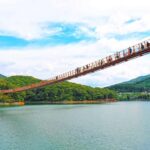
- Peace Gondola: a scenic add-on with a separate ticket
- Camp Greaves at Paju: Cold War ruins repurposed for peace education
- Third Infiltration Tunnel: your hardest walk, and why it matters
- Dora Observatory: telescopes and a clear-day reality check
- Timing, travel pace, and small-group moments
- What to bring and how to prepare for a DMZ day
- Value and price: is $483 per person a fair deal?
- Should you book this DMZ tour from Seoul?
- FAQ
- How long is the DMZ private tour from Seoul?
- What is included in the $483 per person price?
- Do I need a passport to visit the DMZ?
- Is the Peace Gondola ride included?
- Is the tour stroller and wheelchair accessible?
- What language is the guide, and is the group private?
- Are meals included during the tour?
Key highlights to look forward to
- Camp Greaves relics and Cold War-era ruins turned into a peace-focused experience site
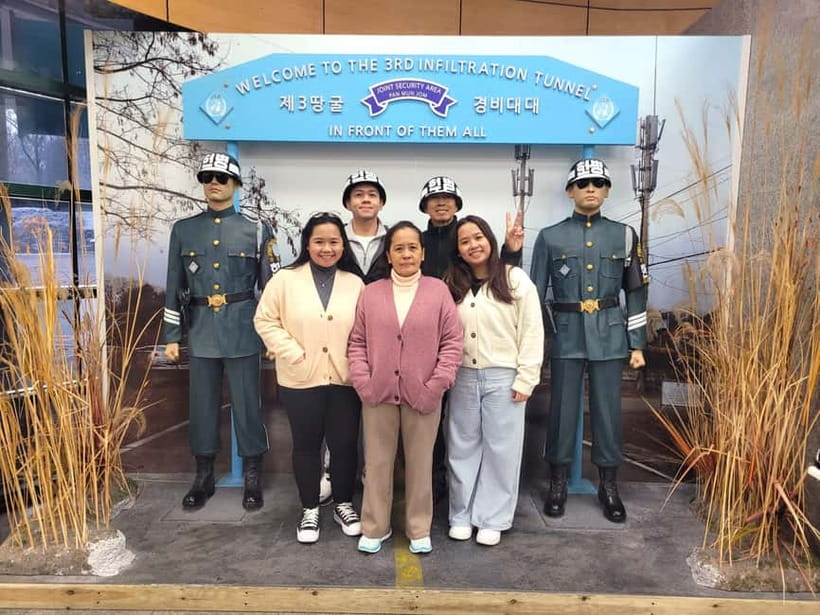
- The Third Infiltration Tunnel walk with helmets and a firsthand feel for the conditions
- Dora Observatory telescopes that can show North Korean areas on clear days
- Imjingak Park for a reflective stop overlooking the Imjin River area
- A private-group feel that can feel small and personal, depending on the day
DMZ Day Trip from Seoul: what the day really feels like
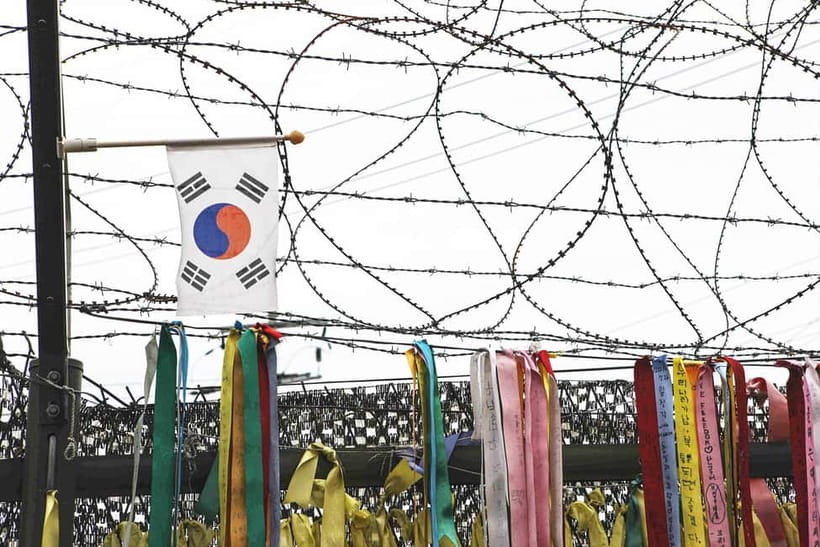
A DMZ visit is different from a normal sightseeing day. You’re not just taking photos and moving on. You’re seeing how the Korean War’s cease-fire shaped real lives, real terrain, and a border that still runs on strict control.
This tour is built to pack the most iconic stops into one go. You’ll start with morning pickup in central Seoul, then ride out to the Paju side of the DMZ region. Expect a full schedule with short to mid-length visits plus real walking time inside the tunnel, so comfortable shoes matter more than your fashion choices.
I also like that this is a private-group format with English and Chinese guidance. If you’re the type who asks questions, you’ll have room to do it. That also helps make the day less like a checklist and more like a guided understanding of how the division works in practice.
You can also read our reviews of more tours and experiences in Seoul.
Imjingak Park and the Imjin River: where you pause for meaning
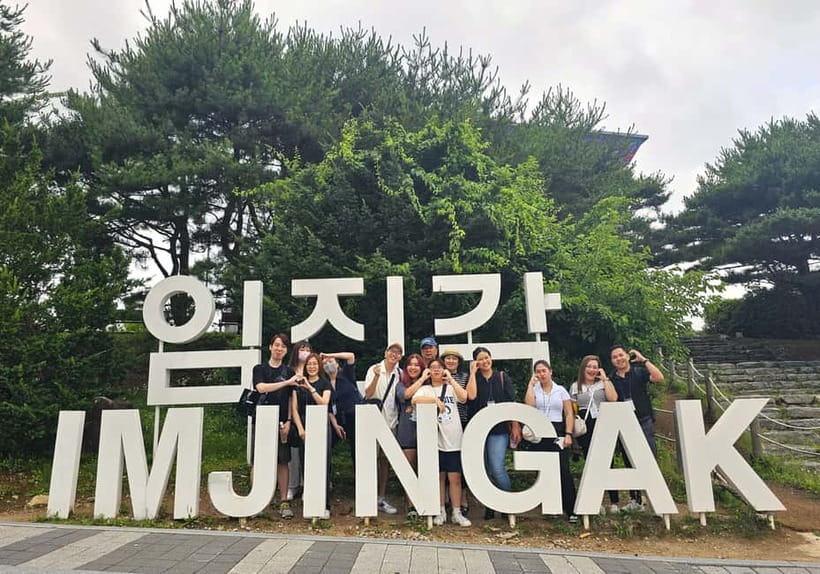
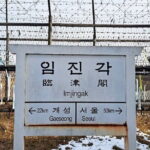
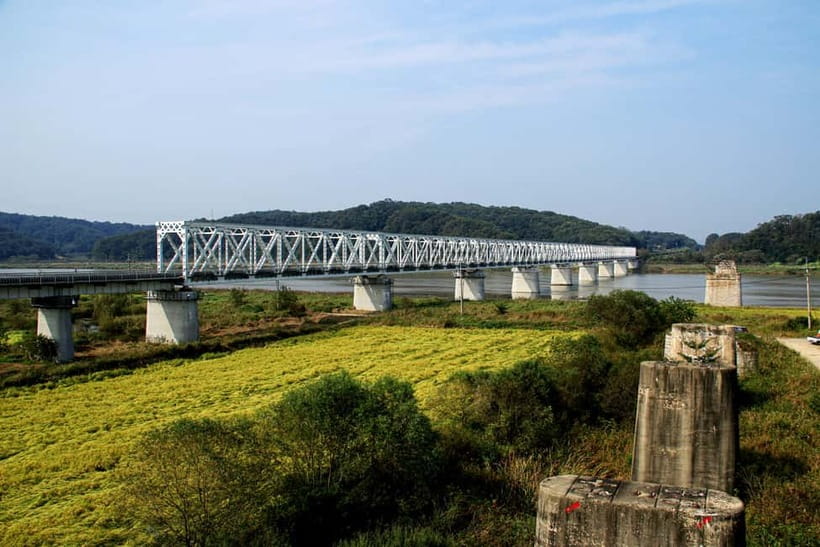
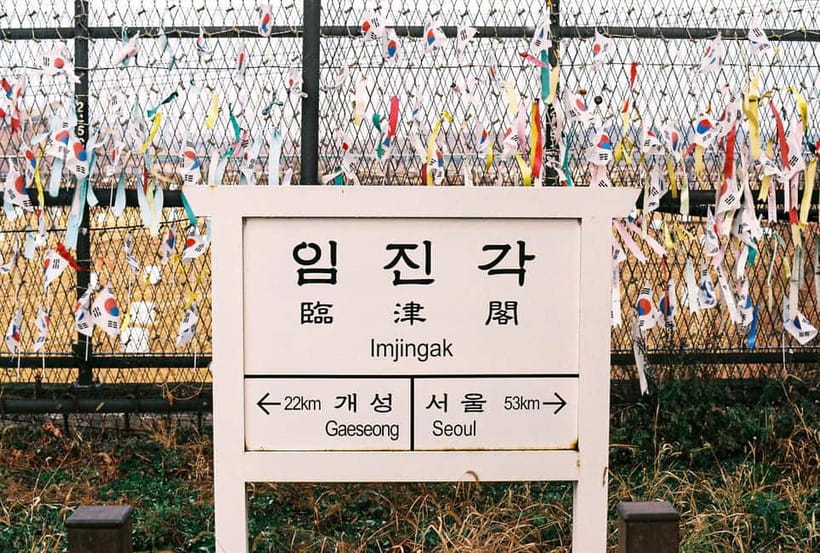
Imjingak is the emotional starting point. It’s a park tied to the Korean War’s story and to hopes for reunification, and the setting gives you that border-proximity awareness without being graphic.
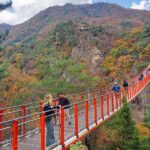
You’ll spend time here with sightseeing and free time to look around at your own speed. The big draw is the overlook feeling—you can see the Imjin River area and the wider border landscape from a symbolic distance. It’s the kind of place where you’ll notice how quiet your brain gets once you start thinking about families, separated communities, and the long stall in the peace process.
Optional add-on matters here too: you can take a Peace Gondola ride across the Imjin River, with extra fees. The ride isn’t included in the base price, so decide based on your energy level and how much you want one more border-adjacent experience.
What could slow you down: Imjingak can include extra time for viewing and photos. On busy days or if weather turns, you’ll likely feel that time pressure later when you’re trying to hit every DMZ stop.
Peace Gondola: a scenic add-on with a separate ticket
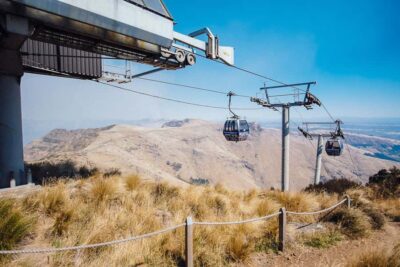
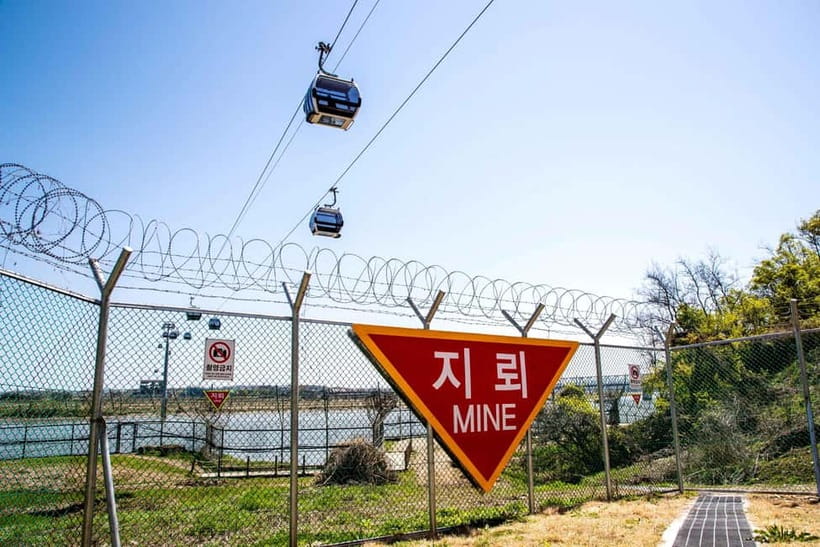
The Peace Gondola is exactly what it sounds like: a ride across the Imjin River with a calmer, scenic feel compared to the heavier border sites.
Here’s the practical part: the gondola ticket is not included. So treat it as an upsell, not a given. If you do it, plan it as a short “reset” moment in the middle of a serious day.
I like adding this only if you’re curious about how the DMZ region gets framed in daily life and memory. If your main goal is maximum historical stops, you could also skip it and keep the day lean.
Camp Greaves at Paju: Cold War ruins repurposed for peace education
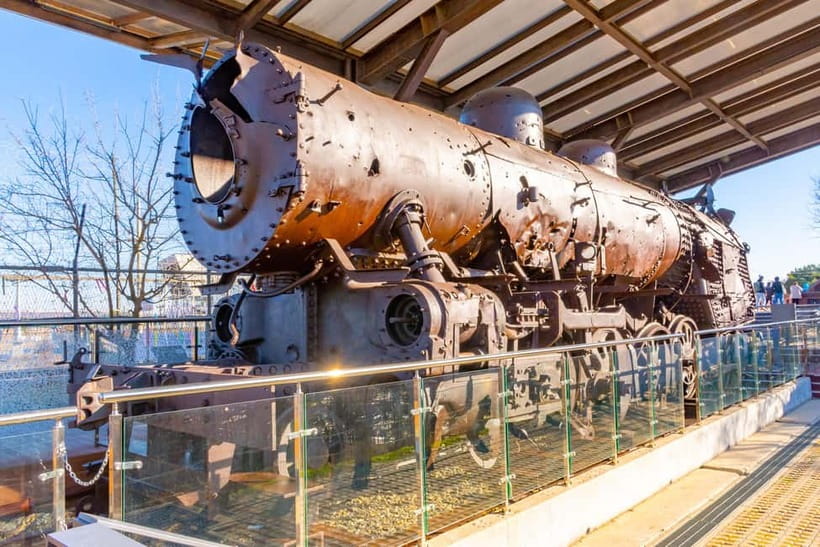
Camp Greaves is a former U.S. military base from the Korean War era, and that history shows in the preserved relic feel—old barracks and military facilities, plus more reserved structures tied to the period. Today, it functions as a peace-culture experience site, so the emphasis shifts from “occupation” to “reflection and learning.”
You’ll have time for photos and sightseeing here, plus a guided look at what you’re seeing. One nice detail from recent groups: Camp Greaves has even been a filming location for popular Korean dramas. That doesn’t replace history, but it can make the setting feel more familiar and easier to visualize.
This stop is also where your guide’s storytelling skills really show. A top guide doesn’t just list dates. They help you connect the physical structures—storage, quarters, and military layout logic—to what life was like under that system.
A practical drawback: the day is structured and moving. If you’re the type who loves lingering in museums, you might wish you had more time here. You’ll make the most of it by focusing on the guide’s explanations and choosing 2–3 areas to go back to for a second look.
Third Infiltration Tunnel: your hardest walk, and why it matters
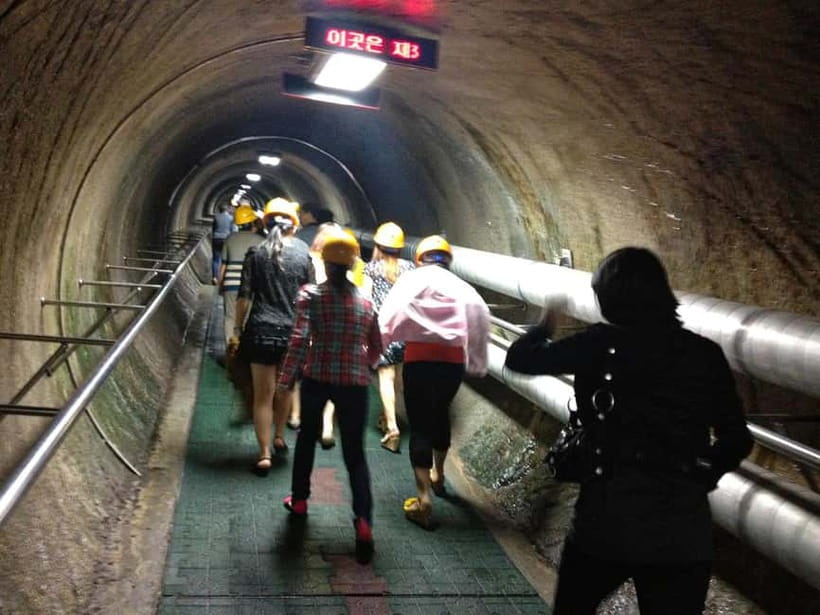
If there’s one stop that tends to stick with people, it’s the tunnel. The Third Infiltration Tunnel is a secret military passage discovered in the 1970s, dug by North Korea during the Cold War era. It’s over 1.6 km long, but you won’t walk the entire thing. Still, the experience is real enough that you feel it in your body.
You’ll put on safety gear—helmets are provided—then descend into cramped, dim conditions. Expect tight space, low visibility, and a strong sense of how “infrastructure” can be built for movement and control. This isn’t a stand-and-watch display. It’s a physical reminder that conflict planning involves human bodies, not just policy documents.
Why this part is valuable: seeing a tunnel on a screen is abstract. Walking into one turns the story into something your brain can map. You start to understand why secrecy, engineering, and fear were so important in the Cold War logic.
Consideration: it’s not stroller or wheelchair accessible, and it’s not a stop for people who feel claustrophobic. If you’re even slightly concerned, tell your guide in advance so you can plan appropriately.
In the feedback I saw, people consistently called this their favorite part, especially because guides explain what you’re looking at while the environment is doing the rest of the emotional work.

Dora Observatory: telescopes and a clear-day reality check
After the tunnel, your brain will likely want something lighter. Dora Observatory is that kind of relief, but with an edge.
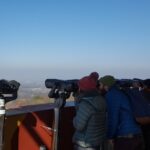
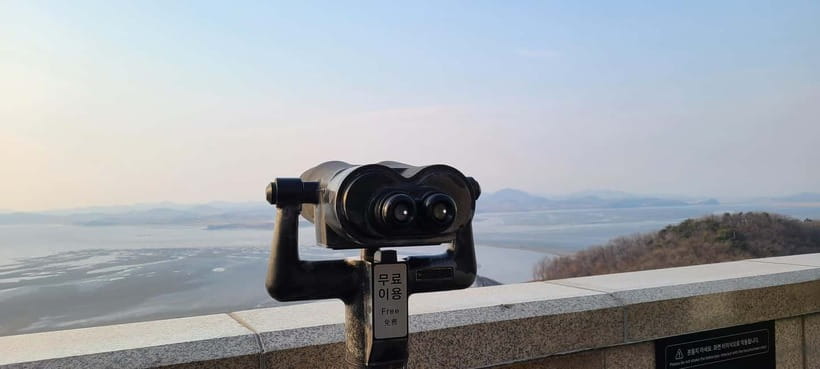
Dora sits at a high point along the DMZ northern line. It’s one of the rare public spots where you can peer into North Korea through telescopes. On clear days, those telescopes can help you see border towns such as Kaesong. Some days you may even spot statues of Kim Il-sung, again dependent on visibility.
This is the stop where conditions matter. Clear air can change your experience from “I’m looking” to “I’m actually seeing something specific.” So if the weather looks good, prioritize this time slot for your best attention and patience.
Also, your guide’s context helps a lot. If you just look without explanation, you’ll still enjoy the view, but you’ll miss the meaning—what it symbolizes about the divide and why this point became a controlled public window.
What to watch for: weather can affect visibility, and the DMZ region is subject to changes. Keep your expectations flexible and let the telescopes work for you when they can.
Timing, travel pace, and small-group moments
The tour is built for one-day coverage, so you’ll be in motion most of the day. You’ll ride by bus/coach for roughly 50 minutes to the first major DMZ area, then you’ll continue between stops. The full drive back to Seoul is around 1.5 hours, giving you time to decompress on the return.
The best way to think about the schedule is this: you’ll get enough time to see the big pieces, and you’ll get guided explanation at each stop, but you won’t be wandering freely for hours. The upside is you avoid the hassle of coordinating DMZ access yourself. The trade-off is less personal “museum time.”
Also, group size can shape your experience. In the feedback I reviewed, some departures were small enough to feel almost private—like groups of four or around six people. That matters because it reduces waiting and gives the guide more room to tailor explanations. Even in a private-group setup, the day can feel different depending on how many people are in your segment.
What to bring and how to prepare for a DMZ day
This trip requires real prep. The DMZ is controlled, and your paperwork has to match your identity.
Bring your passport. You’ll also be expected to have a valid ID for all guests on the tour day, including children. Your passport details must be accurate; if information doesn’t match, you may be denied DMZ area entry. So double-check name spelling and numbers before you leave for the airport or hotel.
Comfort-wise, think practical. You’ll do a mix of sightseeing and walking, plus the tunnel descent, which means you’ll want shoes with good grip and clothes you can move in. Since the tunnel environment is cramped and dim, wearing something too bulky can make the space feel tighter than it already is.
And yes: it’s not stroller or wheelchair accessible. If anyone in your group needs mobility assistance or can’t handle enclosed spaces, you’ll want to consider whether another format is safer.
Value and price: is $483 per person a fair deal?
Let’s talk money honestly. At $483 per person for a 10-hour private DMZ experience, this isn’t a budget add-on. What justifies it is that you’re buying a guided, access-controlled day, not just transport.
Your price includes:
- Hotel pickup and drop-off
- Round-trip transportation
- English & Chinese speaking guide
- DMZ admission fees
- Camp Greaves experiences fee
Not included: meals, traveler’s insurance, other personal expenses, and the Peace Gondola ticket. That means you should budget for lunch on your own (the day provides a lunch window), plus any optional gondola add-on you choose.
Is it worth it? For me, the biggest value isn’t only the famous stops. It’s the friction you avoid. Getting into DMZ sites is not something you casually assemble on your own. This tour takes care of the structure, the timing, and the guide interpretation so you’re not stuck wondering what you’re looking at.
On top of that, the transport quality gets high marks. Past groups gave perfect scores for transport, which usually means fewer delays and smoother transfers than you’d hope for on a day with weather and security checks.
Should you book this DMZ tour from Seoul?
Book it if you want a single, guided day that covers the DMZ’s most recognizable elements: Imjingak Park for memory, Camp Greaves for Cold War relics with a peace focus, the Third Infiltration Tunnel for a physical reality check, and Dora Observatory for telescope viewing into North Korea.
Skip or reconsider if you’re uncomfortable with confined spaces. The tunnel experience is the hardest part, and it’s not stroller or wheelchair accessible. Also, if you need lots of unscheduled time, this is structured enough that you’ll want to focus on what the guide is explaining rather than drifting.
If you’re unsure, here’s the key decision rule: if you’re the type who likes meaning with your sightseeing—guided context, names, and why each place exists—this tour is a strong fit. If you just want pretty views and easy walking, you’ll probably find the tunnel too intense for your comfort.
If you do book, choose calm clothing, bring your passport, and save your most patient attention for Dora and the tunnel. Those two moments are where the day clicks into place.
FAQ
How long is the DMZ private tour from Seoul?
The tour runs about 10 hours, including hotel pickup and drop-off.
What is included in the $483 per person price?
It includes hotel pickup and drop-off, round-trip transportation, an English and Chinese speaking guide, DMZ admission fees, and the Camp Greaves experiences fee.
Do I need a passport to visit the DMZ?
Yes. You need a passport, and you should bring valid ID for all guests on the tour day, including children. Passport details must match the information you provided.
Is the Peace Gondola ride included?
No. The gondola ticket is not included, and the Peace Gondola ride has an optional add-on cost.
Is the tour stroller and wheelchair accessible?
No. The tour is not stroller and wheelchair-accessible.
What language is the guide, and is the group private?
The guide speaks English and Chinese. It is described as a private group.
Are meals included during the tour?
No. Meals are not included. Lunch time is provided as free time, so you’ll need to plan for your own meal.