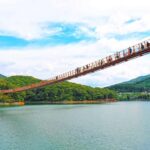
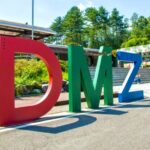
A DMZ day is heavy in the best way. This guided tour from Seoul takes you from Imjingak Park into the guarded geography of the DMZ, with strong sights like the tunnels, Dora Observatory, and the mood-changing crossing of Unification Bridge. Weather permitting, you may even catch a glimpse toward North Korea.
I particularly like the built-in structure: you’re not dropped into a checklist. You get a real route that often starts at the Imjingak area, then moves through the tunnels and observation points, with time to look and take photos.
Two more things I love: the optional gondola ride for wide Imjin River views, and the option to add the Gamaksan suspension bridge for that classic Korea photo angle. One drawback to plan for: this day can turn into a workout, with steep inclines and long walking, so wear shoes you trust.
In This Review
- Key things to know before you go
- DMZ from Seoul: what this tour is really about
- Monday vs Tue–Sun: 2nd tunnel days and 3rd tunnel days
- Imjingak Park and Freedom Bridge: the emotional warm-up
- The tunnels: your chance to understand infiltration history up close
- The 2nd tunnel route (Mondays)
- The 3rd tunnel route (Tue–Sun)
- Dora Observatory and Unification Village: the view that changes how you think
- Gondola over the Imjin River or Gamaksan suspension bridge
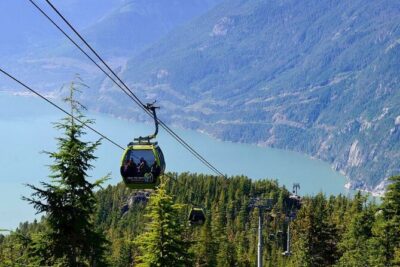
- Gondola option: scenic, panoramic, and less of a hike
- Suspension bridge option: dramatic views, more exertion
- Adding a North Korean defector lecture: what it adds (and what to expect)
- Time management, vehicle comfort, and why the day feels long
- Price and value: what $45.86 buys you in the DMZ
- Who should book this DMZ tour (and who should rethink it)
- Final verdict: should you book this from Seoul?
- FAQ
- How long is the DMZ guided tour from Seoul?
- What’s the difference between Monday and Tuesday–Sunday?
- Is the gondola included, or is it optional?
- Can I meet a North Korean defector on this tour?
- What if the 3rd tunnel is unavailable on my date?
- What health or fitness limits should I consider?
- What is included in the price, and what isn’t?
Key things to know before you go
- Monday vs Tuesday–Sunday route swap: Mondays focus on the 2nd tunnel; Tue–Sun focus on the 3rd tunnel plus Dora Observatory and Unification Village.
- Optional gondola or suspension bridge: choose based on whether you want Imjin River panoramas or a higher, more dramatic walking climb.
- Imjingak Park sets the tone: expect an emotional start near Freedom Bridge and the DMZ story there before heading further in.
- Tunnels are the real centerpiece: you’ll see infiltration tunnel remains and learn what they mean for Korean history and current tensions.
- A defector lecture can be added: it’s a guided way to hear a personal perspective, if your group day includes it.
- Pace is structured, not slow: plan for limited time at some photo stops inside the overall schedule.
DMZ from Seoul: what this tour is really about
This isn’t a sightseeing day where you rack up highlights and forget them by dinner. The DMZ route is designed to make you feel how close everything is, and how much effort it takes just to visit a small slice of this world. You’re moving through places that were built for conflict, and the guide’s job is to explain what you’re seeing so it lands with context.
At the same time, you do get real variety in a single day. You bounce between memorial-like areas (Imjingak), technical history (infiltration tunnels), and high-ground viewpoints (Dora Observatory). That mix is the appeal if you like learning while you’re watching, not after you’re back in your hotel.
You’ll also feel the reality of how weather and politics shape the day. The tour can be canceled and refunded or rescheduled if conditions aren’t right, and in some cases stops change if a tunnel is unavailable. That’s not a weakness of the experience; it’s part of visiting a live, heavily controlled zone.
You can also read our reviews of more tours and experiences in Seoul.
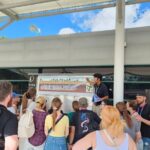
Monday vs Tue–Sun: 2nd tunnel days and 3rd tunnel days
The biggest decision is the calendar. This tour runs Mon on one route pattern and Tue–Sun on another, and that changes what you’ll physically do.
On Mondays, the day centers on the 2nd tunnel, along with stops that include the Peace Observatory, Woljeongri train station, and a suspension bridge option. If you’re the type who likes a more varied route with multiple viewpoints and sites, Mondays can feel like a sampler of DMZ geography.
On Tue–Sun, the day usually centers on the 3rd infiltration tunnel plus the classic set of observation areas: Dora Observatory and Unification Village. This route also ties in your optional choice of gondola or Gamaksan suspension bridge.
Either way, you’ll pass through the Unification Village area during the DMZ portion (for Tue–Sun), and you’ll be guided through key entry points like Unification Bridge. That consistency is helpful if you’re trying to understand the DMZ as a connected system, not separate attractions.
Imjingak Park and Freedom Bridge: the emotional warm-up
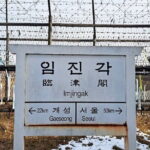
Most of the tone-setting happens early. You start by meeting your guide at your chosen pickup point in Seoul, then head to the Imjingak area. Admission here is free, and it’s more than a pretty park—this is where the DMZ story becomes personal.
You’ll visit places such as Imjingak Park and Freedom Bridge, and depending on the day you may also stop at Imjingak Pyeonghoa-Nuri Park (including the 3rd tunnel related area on Tue–Sun). This matters because it prepares your brain for what tunnels and observation points are really about: infiltration routes, separation lines, and the lived meaning of borders.
One practical note: there’s walking involved from site to site. Even if you feel strong, you’ll likely appreciate pacing yourself early, because the day keeps building.
The tunnels: your chance to understand infiltration history up close
If you want one reason to book this tour, it’s the tunnel component. These stops aren’t just about seeing a structure; they’re about grasping how war plans turn into scars on land.
The 2nd tunnel route (Mondays)
On Mondays, you’ll spend around 3 hours at the 2nd tunnel and related sites. The day includes the Peace Observatory and Woljeongri train station, plus the suspension bridge option. The 2nd tunnel route can be a good fit if you like a balanced mix of underground history and above-ground viewpoints.
Fitness-wise, plan for real effort. The tour info is clear that walking and inclines are part of the experience, and even if your pace is steady, the day adds up.

The 3rd tunnel route (Tue–Sun)
On Tue–Sun, the highlight is usually the 3rd infiltration tunnel. This is where the tour places its emphasis for those days, and it’s also the stop with stricter health considerations. The guidance is that if you have heart disease or back/respiratory problems, you can’t enter the 3rd tunnel.
You should also be ready for an intermediate level of hiking to reach the tunnel. That shows up in how much climbing happens, and it’s one of the few “you really can’t skip it” parts of the day.
A key tip: the tunnel itself is low, so you may have to bend or stoop depending on where you are in the space. Bringing patience (and a willingness to take your time) helps you get the most out of it without feeling rushed.
Dora Observatory and Unification Village: the view that changes how you think
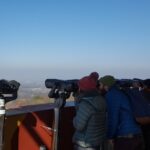
Once you’re through the tunnel portion on Tue–Sun days, the route moves into observation territory. Dora Observatory is a major mental shift: you stop thinking only in terms of history, and you start thinking in terms of what people can see and why that matters.
Then there’s Unification Village and the crossing of Unification Bridge. The physical geography here does a lot of emotional work. Even if you’re not naturally sentimental, the area makes the separation feel real and not theoretical.
This is also the part where weather matters. The tour notes that you may see North Korea depending on conditions on your tour date. Translation: bring flexibility. If visibility is limited, you’ll still get the observatory experience and guided explanation, but you may not get that extra moment of “direct line of sight.”
Gondola over the Imjin River or Gamaksan suspension bridge
This is the fork that many people care about most. Both options connect you to big views, but they do it in different ways, and your comfort level matters more than your preference for photos.
Gondola option: scenic, panoramic, and less of a hike
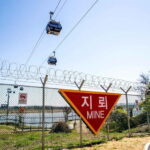
The gondola route is designed to be scenic. If you pick it, you’ll ride a cable car to Gallery Greaves, and it’s specifically described as giving you panoramic views, including over the Imjin River. For many people, this option reduces strain during a day that already has stairs and inclines.
It’s also a smart choice if you want to spend more of your energy on the tunnel and observatory parts instead of saving legs for another climb.
Suspension bridge option: dramatic views, more exertion
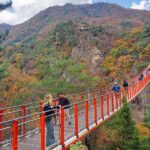
The suspension bridge option often means more walking and climbing. The tour includes Gamaksan suspension bridge time on Tue–Sun days, and there’s an expectation of steep inclines and slopes.
In practice, this can feel like a short but intense hike—worth it if you want that classic wide, elevated view and you like taking photos from a higher vantage point. If your legs are touchy or you get winded on hills, this is the part to think through before booking.
Also, remember: you may have limited time at photo points when the schedule is tight. If you choose the bridge, don’t treat it like an all-day rest stop. Treat it like a focused mission for views.
Adding a North Korean defector lecture: what it adds (and what to expect)
There’s an optional stop that can include meeting a North Korean defector for a lecture. This isn’t a “celebrity storyteller” setup. The point is to hear a personal narrative guided through a structured lecture format.
If you choose this add-on (or if your day includes it), I’d treat it with the respect you’d give any serious human story. Take notes if you like, but also give your attention to the context your guide provides before and after.
In a day like the DMZ, where you’re surrounded by sites tied to conflict, this kind of firsthand perspective can be the emotional anchor. It can also be the point where the day stops feeling like a history lesson and starts feeling like real people lived through the border.
Time management, vehicle comfort, and why the day feels long
This is scheduled as a 7 to 11 hour experience, and the itinerary times you’ll see are only part of the story. The tour itself mentions that transportation time between destinations isn’t included in those stop durations. In other words: don’t judge the total by the individual site clocks alone.
The good news is logistics are handled for you. You’ll ride in an air-conditioned vehicle, and your English-speaking guide/driver meets you at your selected pickup point and brings you back at the end. The tour uses a mobile ticket, which is convenient on a day when you’re moving quickly.
Your biggest “real-life” factor is that you’ll be walking a lot and climbing inclines. One review-style takeaway that matters for your comfort: build in extra time for the tunnel access areas and the bridge climb if you choose it. If you’re planning to take lots of photos, try not to sprint between viewpoints.
If you tend to get stressy in group tours, choose your expectations carefully. The day is structured to fit multiple sites, and that can mean brief windows in certain areas. Guides may keep the bus-and-bridge timing strict to protect the overall schedule.
Price and value: what $45.86 buys you in the DMZ
At $45.86 per person, this tour often feels like one of the more approachable ways to do the DMZ without piecing together transport and tickets on your own. The price includes round-trip transfers, an English-speaking guide/driver, and admission to the listed attractions. It also includes the gondola ticket and/or the suspension bridge visit if you selected that option.
Meals and beverages aren’t included, and that’s where you should budget a bit extra. But the big cost drivers—entry fees and guided logistics—are handled.
Also, the small print matters for value. The tour can change route details based on the day of the week and what’s available (for example, if a tunnel stop isn’t available). You’re not paying only for one fixed photo spot—you’re paying for a guided DMZ day plan that’s meant to adapt while still delivering the core DMZ experience.
Who should book this DMZ tour (and who should rethink it)
This tour is best for people who want structure and meaning in a high-tension place. You’ll likely enjoy it if you like guided explanations, don’t mind a walking-heavy day, and want to see both underground history and above-ground observation points.
It’s also a good choice for families with older kids who can handle walking and climbing. One note I’d take seriously: the tour’s physical demands aren’t subtle. Even if you’re athletic, the climbs to tunnel areas and the bridge are real effort.
Health considerations matter for the 3rd tunnel. The tour info is clear that people with heart disease or certain back/respiratory problems can’t enter the 3rd tunnel. If that applies to you, check your route day before booking, since Mondays don’t center on the 3rd tunnel stop.
If you have trouble with steep inclines, leg pain, or you tire quickly on hills, the suspension bridge option can be the deal-breaker. In that case, consider choosing the gondola instead of the bridge.
Final verdict: should you book this from Seoul?
Yes, I’d book it if you want a guided DMZ day that covers the key sites—Imjingak area, the infiltration tunnel experience, Dora Observatory, and Unification Village on Tue–Sun—or the 2nd tunnel and Peace Observatory on Mondays. The English-speaking guide and admission-included format make it a solid value for a long, complicated day.
I’d think twice only if you know you struggle with climbing, have health limits that affect tunnel entry, or you hate tight time windows inside a structured schedule. If you’re okay with that, you’ll come away with the kind of understanding that sticks.
In short: if you want your DMZ visit to feel guided, coherent, and emotionally grounded, this is a strong pick.
FAQ
How long is the DMZ guided tour from Seoul?
It runs about 7 to 11 hours, depending on the day’s route and timing.
What’s the difference between Monday and Tuesday–Sunday?
Mondays focus on the 2nd tunnel, Peace Observatory, Woljeongri train station, and a suspension bridge option. Tue–Sun focus on the 3rd infiltration tunnel and visiting Dora Observatory and Unification Village.
Is the gondola included, or is it optional?
Gondola and the suspension bridge are both optional. If you select one, the related ticket/visit is included.
Can I meet a North Korean defector on this tour?
A meeting with a North Korean defector is optional and may be included depending on your selected option.
What if the 3rd tunnel is unavailable on my date?
If the 3rd tunnel isn’t available, the itinerary can be changed to another destination.
What health or fitness limits should I consider?
You can’t enter the 3rd tunnel if you have heart disease or certain back/respiratory problems. Entering the 3rd tunnel also requires an intermediate level of hiking.
What is included in the price, and what isn’t?
Included are air-conditioned round-trip transfers, an English-speaking guide/driver, admission to attractions, and the selected gondola and/or suspension bridge option. Meals and beverages are not included.