REVIEW · SEOUL
Seoul: DMZ Guided Tour with Suspension Bridge and Gondola
Book on GetYourGuide →Operated by Korea Time Tour · Bookable on GetYourGuide
DMZ day tours hit you fast. One minute you’re in Seoul’s rhythm, the next you’re staring at one of the world’s most militarized borders. I like how this tour mixes big, clear sights with practical guidance, so you’re not just staring—you’re understanding what you’re seeing.
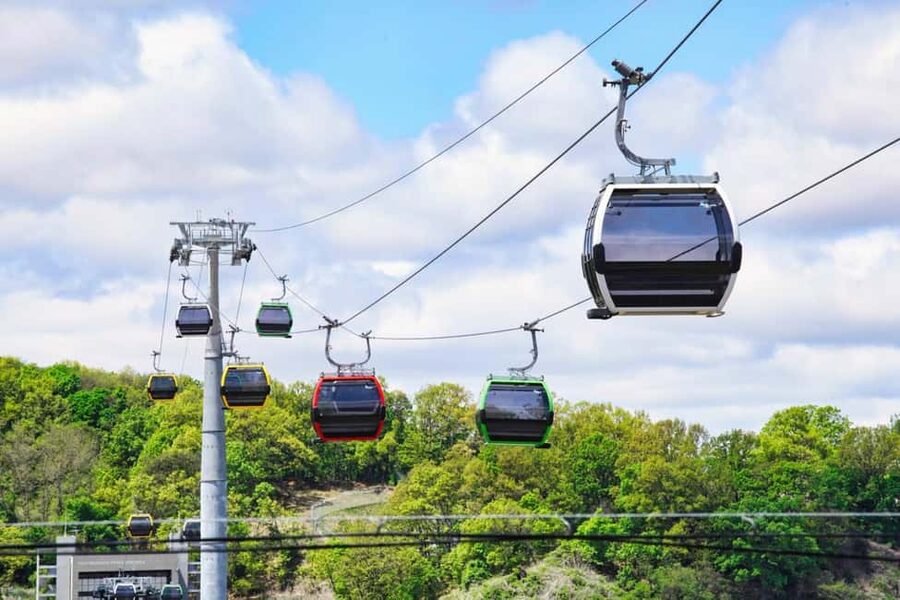
I also love the pacing choices: the Peace Gondola for a closer view into North Korea and the 150m swinging suspension bridge if you want mountain views to break up the heavier parts of the day. The possible drawback is that the Third Tunnel involves a steep, intermediate-level hike and tight spaces, so it’s not for everyone, especially if you’re claustrophobic or have heart issues.
In This Review
- Quick hits before you go
- A DMZ day trip that feels real, not staged
- Getting there from Seoul: your schedule only works if you’re on time
- Gamaksan Suspension Bridge: the scenery reset you’ll be glad you took
- Imjingak: the emotional context before you look north
- Peace Gondola over the Imjingang River vs. the defector session choice
- When the Gondola option is the better fit
- When the defector option makes more sense
- Visitor center stop: a breather that also sets expectations
- Dora Observatory: looking across the border when the air is clear
- If Dora Observatory is closed
- Third Tunnel of Aggression: the stop that needs respect
- What you’ll get out of it if you go inside
- Unification Village shopping and the Dorasan Station symbolism
- Monday changes: why your add-ons and stops can shift
- Price and value: what $48 gets you in the real world
- Who this DMZ tour suits best
- Should you book this Seoul DMZ tour?
Quick hits before you go
- DMZ access with a guided, structured route so you hit the key points without wasting time.
- Dora Observatory gives you one of the best chances to look across at North Korea on a clear day.
- Third Tunnel of Aggression shows the scale of the planning—1,635m long, just 2m high and wide.
- Peace Gondola over the Imjingang River for a different angle, and it’s not available on Mondays.
- Gamaksan 150m suspension bridge adds scenery and photo time, in-season and in all four seasons.
- Optional North Korean defector session is available on select days, with a key limitation on Mondays and you can only choose one add-on between Gondola and the defector.
A DMZ day trip that feels real, not staged
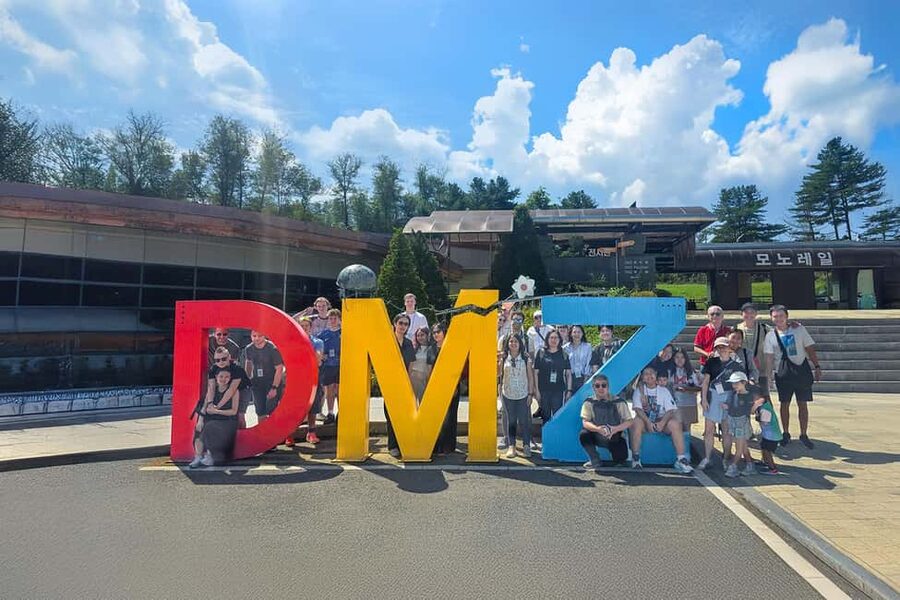
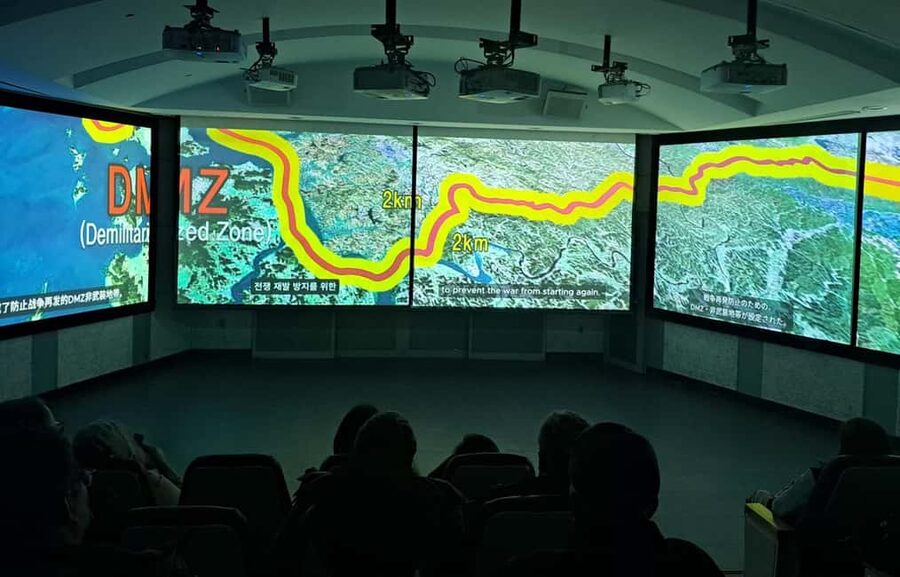
The DMZ isn’t just a line on a map. It’s a 248-kilometer buffer zone that became a standing pause in Korean history—part geography, part politics, part military reality. On a guided day like this, you’re moving through locations that were built for watching, for preparing, and for hoping.
What I like most is that the experience doesn’t try to turn the subject into a thrill ride. Yes, it’s dramatic. But the tour is designed around meaning: you see the vantage points, you learn why each place matters, and you get context for how the two Koreas have faced each other across this divided ground for decades.
You can also read our reviews of more tours and experiences in Seoul.

Getting there from Seoul: your schedule only works if you’re on time
This is a long day—about 7 to 9 hours—and distances add up fast. The pickup system also matters because the day runs on tight timing once you leave central Seoul.
In plain terms: be ready early. The driver will wait only briefly after your scheduled pickup time, and latecomers can’t be refunded. If you’re the type who likes to sleep in, or you hate being rushed, build in a calm buffer before this tour.
Gamaksan Suspension Bridge: the scenery reset you’ll be glad you took
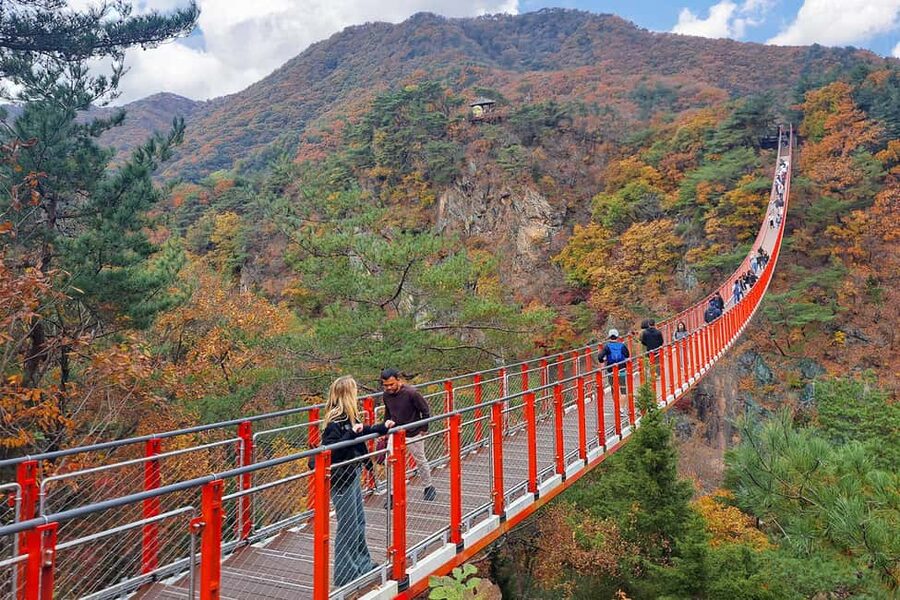
Before you head into the heavier DMZ stops, you can add a Gamaksan Suspension Bridge visit. It’s a 150m swinging suspension bridge, and the tour gives you about 30 minutes there.
This is more than a photo stop. It works as a mental reset. The DMZ day is full of straight lines, fences, and tense boundaries. A swinging bridge in the mountains brings movement back to the day, and in season you’ll get views that feel far away from politics—even though you’re still very much in the same region.
If you’re prone to motion sensitivity, it’s worth thinking about how you feel on swinging structures. Otherwise, it’s a good way to balance the day.
Imjingak: the emotional context before you look north
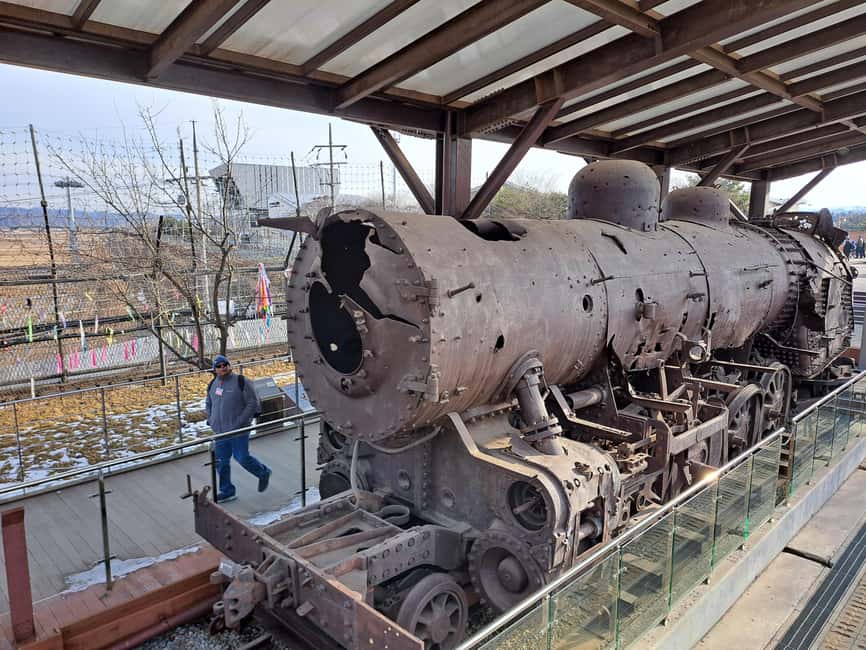
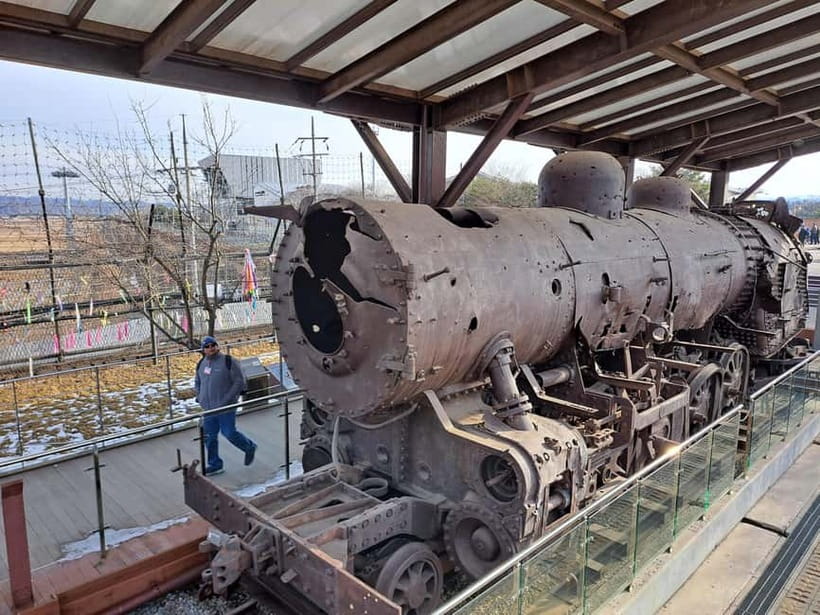
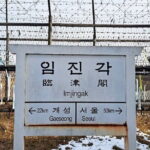
Imjingak is one of those places where you feel the weight of the story quickly. You’ll spend about one hour here, with time to walk and take in the setting at a human scale instead of a purely military one.
The practical value of this stop is timing. You’re not going to Dora Observatory and the tunnel without context. Imjingak helps you understand why people cling to the idea of return, reunion, and separation at the same time—because the peninsula’s conflict isn’t just abstract.
Peace Gondola over the Imjingang River vs. the defector session choice
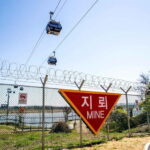
One of the biggest decision points is whether you add the Peace Gondola ride. It’s available on most days, but it’s not available on Mondays. When it’s offered, you get a self-guided one-hour gondola segment over the Imjingang River, which is designed to give you a closer look toward North Korea than a simple overlook.
This is also where you need to remember a key rule: between the Gondola and meeting a North Korean defector, you can only do one. So if you’re choosing for meaning over views, or views over meaning, plan ahead.


When the Gondola option is the better fit
If you care about angles and photography, you’ll likely like the Gondola. It changes how you experience the border geography because you’re elevated and moving, not just standing still.
When the defector option makes more sense
If you want something grounded in real personal experience, the defector session is a powerful addition. It’s described as a guided session and is only available if you select an option that includes it (and again, it’s not available on Mondays).
Either way, you’re adding time where the tour is already moving toward the most intense stops, so pick the one that matches your priorities.
Visitor center stop: a breather that also sets expectations
After the gondola portion, you’ll visit a visitor center for about 30 minutes. This is a useful checkpoint in the day because it helps you make sense of what comes next—especially before you go toward Dora Observatory and then into the tunnel.
Think of it as the tour’s way of tightening focus. DMZ sites can feel like separate locations, but a good visitor center stop helps stitch them into a single story you can follow.
Dora Observatory: looking across the border when the air is clear
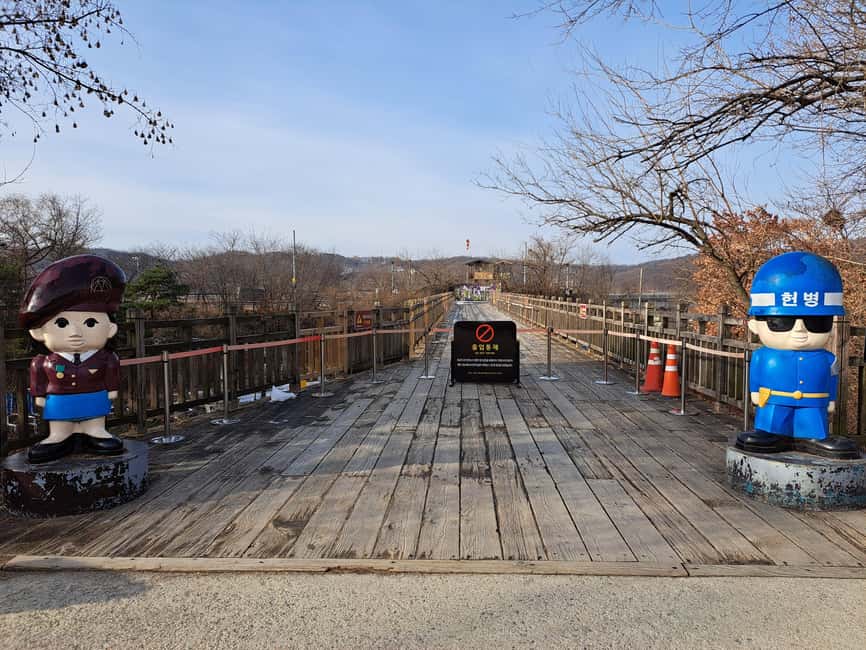
Dora Observatory is the moment most people came for. You get a guided visit of about 50 minutes, and on a clear day you can gaze across the border into North Korea.
This is one of the strangest feelings in the world: you’re in a controlled South Korean viewing point, but you’re looking at a place that most people only know through news, history books, and politics. The tour emphasizes that mix of tension and hope—because what you’re seeing is not just scenery. It’s a reminder of how long division has lasted.
A practical tip from real experience: some guides make it easier by bringing helpful tools like binoculars so you can get more out of the view. If that matters to you, it’s worth asking your guide what the best way is to view from your spot.
If Dora Observatory is closed
The tour data also notes that if certain locations are closed, they’ll replace it with another place. So don’t fix your entire trip on one single viewpoint. Go in with flexibility.
Third Tunnel of Aggression: the stop that needs respect
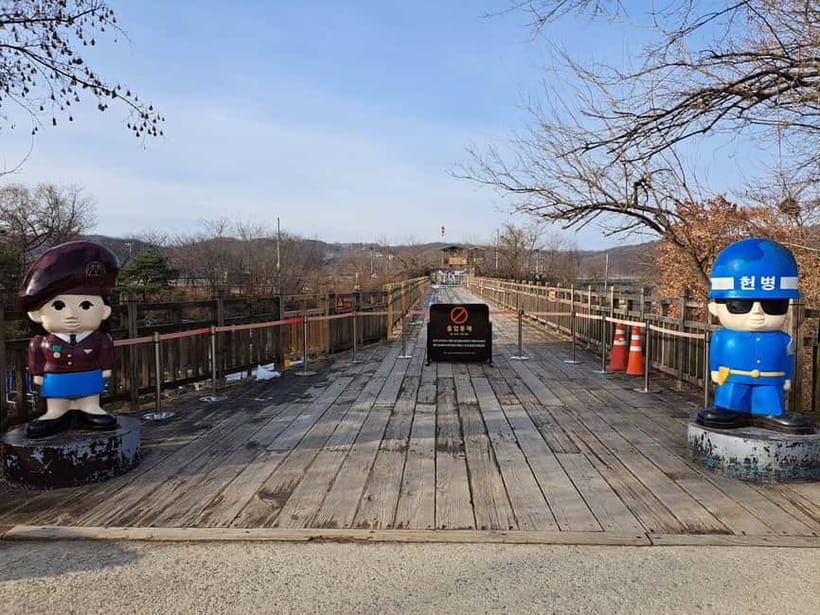
The Third Tunnel of Aggression is the DMZ moment that’s hardest to forget. It’s a clandestine passage discovered in 1978, and the scale is the point: 1,635m long, around 2m wide, and roughly 2m high—built with invasion capacity in mind, with the stated ability to move 30,000 soldiers per hour.
But here’s the part that decides whether this tour works for you: the tunnel stop involves a guided tour and requires an intermediate level of hiking. You should wear proper footwear, and the tour notes the trek can be steep. If you don’t think you can go in—because of fitness, claustrophobia, or heart concerns—you can stay outside.
Also, tight spaces are not a minor detail here. If you’re even mildly claustrophobic, you should take that warning seriously before you book. This isn’t a quick walk-through that you can power through without thinking.
What you’ll get out of it if you go inside
You’ll understand why this tunnel story isn’t just a spooky fact. It’s a physical experience of constraints and planning. Even if you’re not an expert on military history, the tunnel’s dimensions do the explaining for you.
Unification Village shopping and the Dorasan Station symbolism
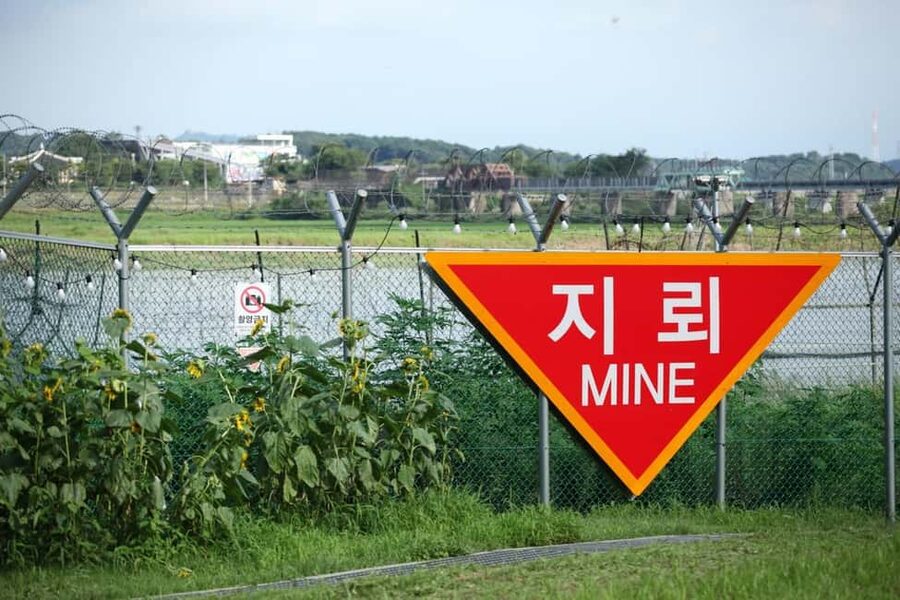
After the tunnel and Dora Observatory, the day moves toward the human side of the border story. You’ll stop at Unification Village for about 40 minutes of shopping.
This part can feel lighter, but it also serves a purpose. It’s where the idea of reunification turns into souvenirs and conversation. You’re reminded that these sites aren’t only for military analysis—they’re also for people’s long-running hopes.
The tour also references Dorasan Station, described as the last stop in South Korea, with Pyeongyang Station about 205km away. Even when station access is restricted or the station is closed, it still functions as a symbol in the overall narrative of the peninsula.
Monday changes: why your add-ons and stops can shift
If you’re visiting on a Monday, you should expect differences. The data states that on Mondays, the tour visits the 2nd tunnel, the Peace Observatory, and the northern most train station in DMZ.
Also, two popular add-ons are not available on Mondays:
- Peace Gondola is unavailable.
- Meeting a North Korean defector is unavailable.
So if Gondola views or the defector session is a deal-breaker for you, don’t plan around Monday.
Price and value: what $48 gets you in the real world
At $48 per person for a day that includes DMZ access, English guidance, and transfers from Seoul, the value comes from how much is bundled. You’re paying for:
- Professional guide
- Entry tickets for the DMZ sites
- Transfers from Seoul (and hotel pickup/drop-off if you book a private option)
- Optional add-ons like the Gondola or the suspension bridge depending on what you choose
Food and drinks are not included, so you’ll want to plan for meals on your own during the day.
Where the price feels especially fair is that most of your time is spent in controlled, regulated locations where independent travel would be difficult. Also, the tour’s transport quality is repeatedly praised, with a large share of reviews giving perfect scores—so you’re not just buying sites, you’re buying a smoother ride through a long schedule.
Who this DMZ tour suits best
This tour is a strong fit if you:
- Want a structured introduction to Korean division that goes beyond general headlines
- Like history that shows up in the physical world—tunnels, viewing points, and border geography
- Care about seeing North Korea from a safe distance, especially with options like Dora Observatory and (when available) the Peace Gondola
- Prefer an English-speaking guide who keeps the day moving and explains what each stop means
It’s not a good fit if you:
- Have claustrophobia or trouble with tight spaces
- Have heart problems
- Have low fitness, especially because of tunnel walking and steep sections
If you’re unsure about the tunnel, the key is that you can choose to remain outside. That choice matters.
Should you book this Seoul DMZ tour?
Book it if you want one day that tackles the DMZ’s main “why” questions: what the border is, why it exists, and how the peninsula stays tense. The mix of Dora Observatory, the Third Tunnel, and optional Peace Gondola gives you both perspective and atmosphere, and the guide-led structure helps you make sense of it all.
Skip it or choose a different format if the tunnel risks are a hard no for you. This day can be intense, physically and emotionally. If you’re comfortable with that trade-off, this is one of the more practical ways to experience the DMZ from Seoul without turning it into a logistics headache.