REVIEW · SEOUL
Seoul: DMZ with Optional Suspension Bridge & Gondola
Book on GetYourGuide →Operated by Korea Time Tour · Bookable on GetYourGuide
The DMZ feels close enough to touch. This day trip is built around real, on-site checkpoints where you can see into North Korea from Dora Observatory and walk through the Third Tunnel of Aggression. What I like most is how the stops are tied to specific stories, not just photos. The other big win is the option to go further with a gondola over the Imjingang River or a 150m suspension bridge view.
One consideration: the 3rd Tunnel involves steep, narrow walking and an intermediate hiking feel. If you’re claustrophobic or have a heart condition, you’ll want to skip the tunnel or consider another plan.
In This Review
- Key highlights at a glance
- DMZ in one day: what this outing really shows you
- Getting from Seoul: meeting points, transfers, and a fast start
- Dora Observatory: North Korea at a guided, human scale
- Third Tunnel of Aggression: steep steps, tight space, and why it matters
- Dorasan Station and the Imjingak area: the symbolism isn’t subtle
- Optional gondola over the Imjingang River: when you want a closer look
- The 150m suspension bridge option: big views, real stairs
- Monday schedule swaps and the defector meeting option
- Walking conditions and who should reconsider
- What to pack (and why your passport matters here)
- Price and value: is $37 worth it?
- A day you’ll remember: tension, engineering, and hope in the same route
- Should you book this DMZ day trip?
Key highlights at a glance
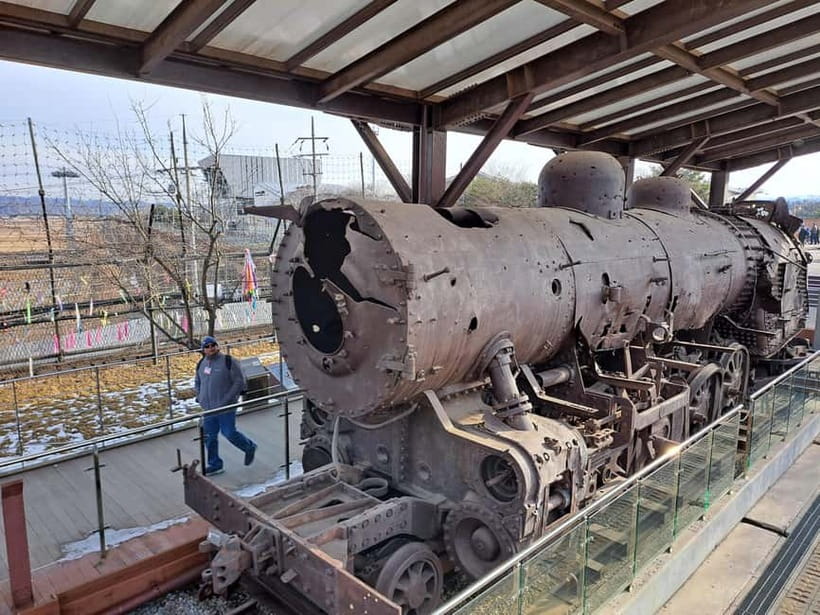
- Dora Observatory: North Korea views, with binoculars often available for help spotting details
- Third Tunnel of Aggression: 1,635m long and tight (about 2m wide and 2m high), tied to the Korean War threat
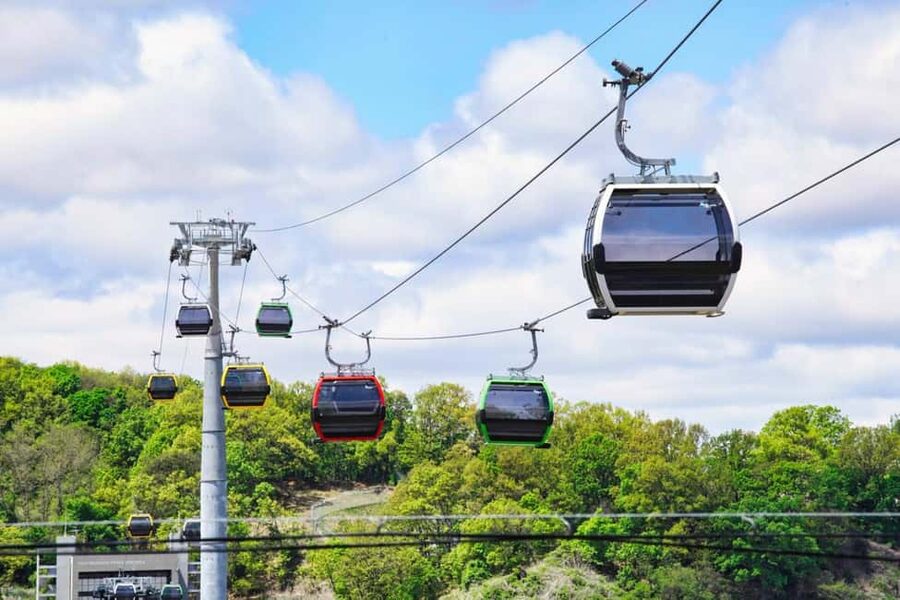
- Gondola over the Imjingang River: a closer look at the opposite bank, available except on Mondays
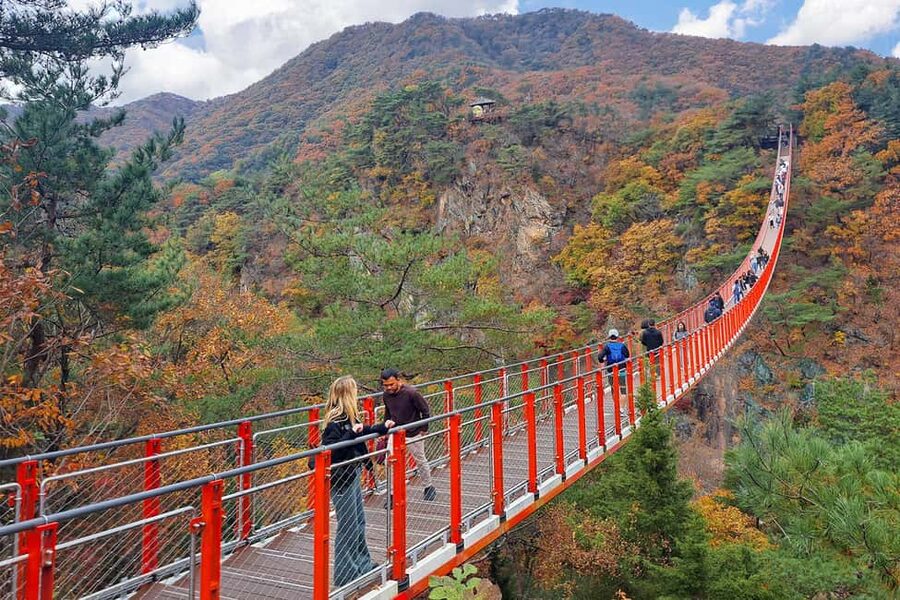
- 150m suspension bridge: optional mountain scenery, with a real sense of height
- Dorasan Station stop: the symbolic last stop in South Korea, with Pyeongyang Station 205km away
DMZ in one day: what this outing really shows you
The Demilitarized Zone is not an ordinary border crossing. It is a 248 km buffer zone created for one reason: keeping two sides apart in the most tense way possible. On this trip, you don’t just hear about the Korean Peninsula. You see the geometry of separation—how close the viewpoints are, how controlled the spaces feel, and how quickly the mood can swing between fear and hope.
The backbone of the experience is straightforward. You start with a look toward North Korea, then move into the kind of military engineering that made invasion planning feel measurable. Finally, you end with a station stop that’s less about logistics and more about a future you can’t actually reach today.
Two things make it work as a day trip. First, the landmarks connect to dates and functions: a tunnel built for movement at scale, and observation points designed for watching. Second, your guide keeps the day organized, with enough time at each stop to understand what you’re looking at instead of rushing like it’s a checklist.
You can also read our reviews of more tours and experiences in Seoul.

Getting from Seoul: meeting points, transfers, and a fast start
You’ll usually join a join-in tour with convenient pickup options around Seoul (Myeongdong or Hongdae are typical meeting points). If you book the private option, you get hotel pickup and drop-off, which is a real comfort when you’re dealing with early departure and a long day.
Plan for a relatively early start. The DMZ schedule runs on tight timing, and you’ll want to be at the meeting point 5–10 minutes early. Late arrivals can’t be refunded, and the morning drive doesn’t pause for anyone’s coffee order.
Also, DMZ operations can shift for weather or political reasons. If a key stop like the Dora Observatory is closed, the tour swaps in another location. That uncertainty is part of the territory, so it helps to go in with flexibility.
Dora Observatory: North Korea at a guided, human scale
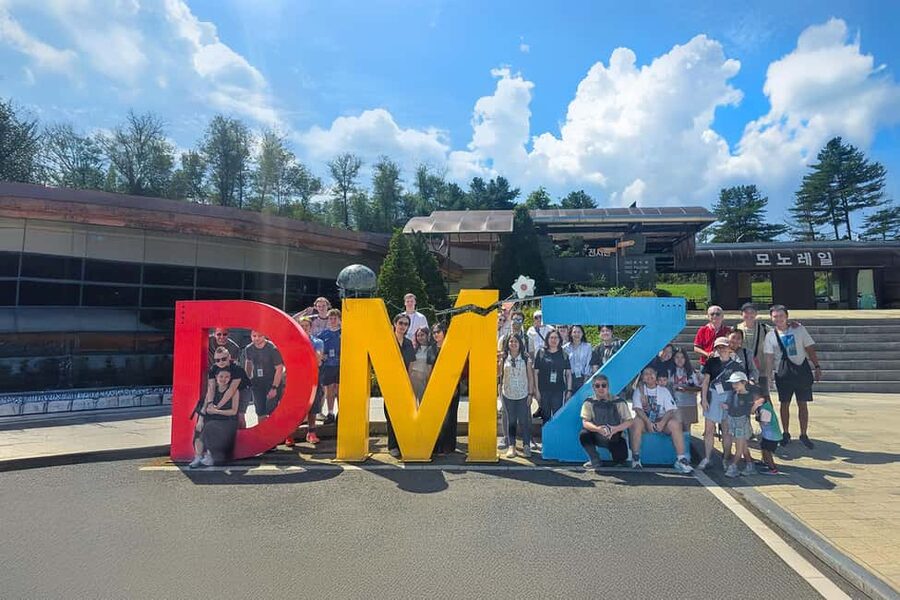
Dora Observatory is the first big emotional hit. On a clear day, you can gaze across the border into North Korea. It’s not just a scenic pause. It’s a carefully framed view of history, where you’re reminded that division is not an old story here—it’s still a daily reality.
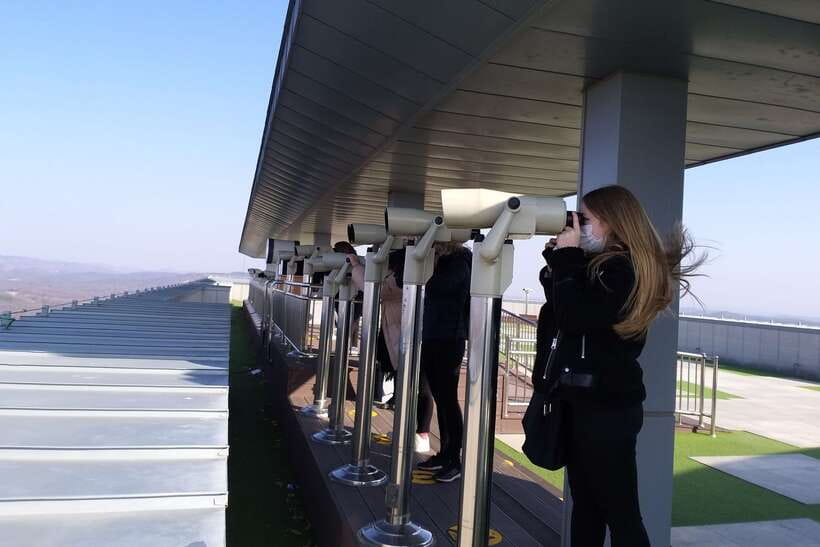
What I like is that the stop is built for interpretation. Your guide explains what the view represents, not just what you might see. Binoculars can help a lot at the observatory, and some guides have offered binoculars to the group for easier spotting.
Here’s the practical part: weather matters. If conditions are poor, you may lose some of the clarity that makes the view special. You can’t control that, but you can control your readiness—bring a lightweight layer and keep your attention on what your guide points out.
And if the observatory is closed, it gets replaced with another option. The day still keeps moving toward the same overall message: tension, surveillance, and the narrow space between worlds.
Third Tunnel of Aggression: steep steps, tight space, and why it matters
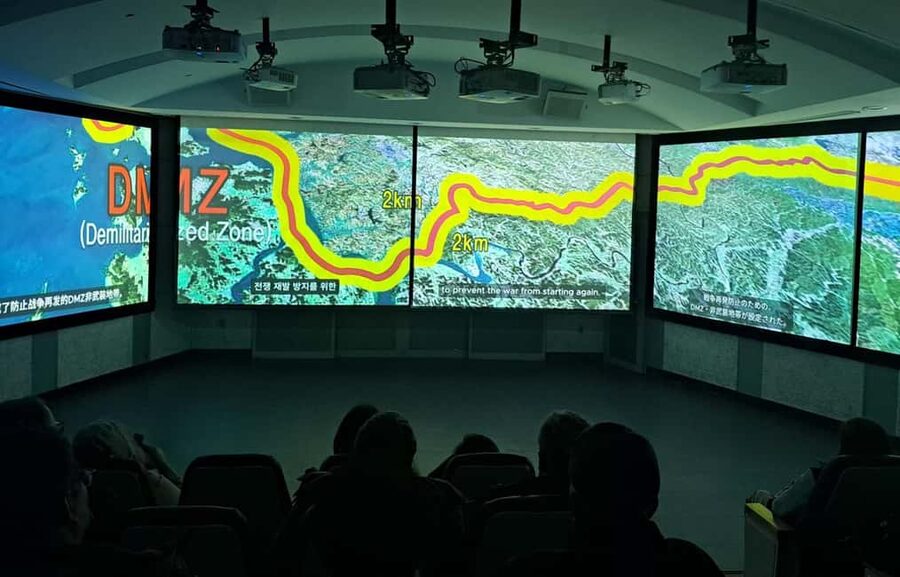
The 3rd Tunnel is the stop people talk about, and for good reason. It was discovered in 1978 and is 1,635m long, roughly 2m wide and 2m high—the kind of dimensions that force you to feel how real physical constraints can become strategic advantages.
This part of the day isn’t casual walking. The route includes a steep descent and then the tunnel itself. Even if you’re fit, you’ll likely feel it. Some guests found the walk back up steep and narrow enough that they had to duck a lot. If you’re generally comfortable in tight spaces, you can do it. If you’re not, don’t try to tough it out.
Important: you should take the tour’s guidance seriously. The tunnel visit requires an intermediate level of hiking, and it is not suitable for people with claustrophobia. If you’re at all unsure, you can stay outside the tunnel area rather than forcing it.
If you do go in, wear proper shoes with good grip. This is one of those moments where comfortable footwear beats trying to look stylish. And in summer, bring water. Heat plus steep walking can turn a “short stop” into a challenge.
Dorasan Station and the Imjingak area: the symbolism isn’t subtle
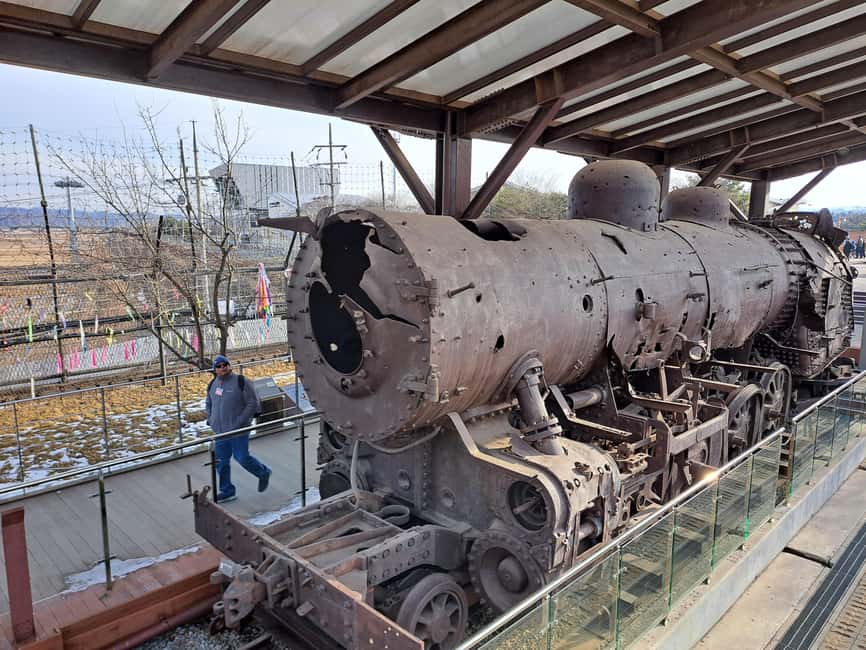
As the day wraps, you reach Dorasan Station, the last stop in South Korea. The opposite station, Pyeongyang Station, is 205km away. That number sticks in your head because it makes the idea of reunification feel both close and painfully unreachable.
This stop works as a reset after the tunnel. Instead of focusing on military mechanics, you’re left with the human scale: a point on a map where trains, families, and futures could connect—if the political reality ever changes.
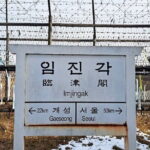
You’ll also likely pass through the broader Imjingak area, which helps keep the day grounded in the lived meaning of the peninsula’s split. Think of it as the moment where the day’s tension turns toward hope, without pretending the situation is simple.

Optional gondola over the Imjingang River: when you want a closer look
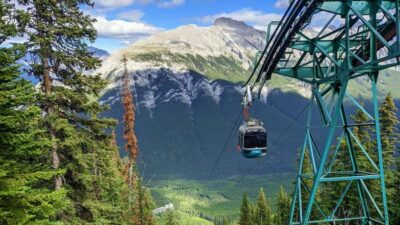
If you choose the gondola add-on, you’ll ride over the Imjingang River for a closer look toward North Korea before heading back toward Seoul. The gondola isn’t just a fun ride; it changes your perspective. It’s another way to “see distance” in a controlled setting, and it adds a motion element that breaks up the day’s walking.
A key schedule note: gondola rides are not available on Mondays. If you’re planning around a specific travel day, this matters. Mondays also have other changes in the route (more on that below).
If you like having options, this is the add-on I’d lean toward for most people—especially if you want more time spent looking rather than moving entirely on foot.
The 150m suspension bridge option: big views, real stairs
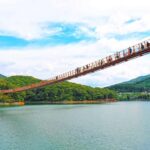
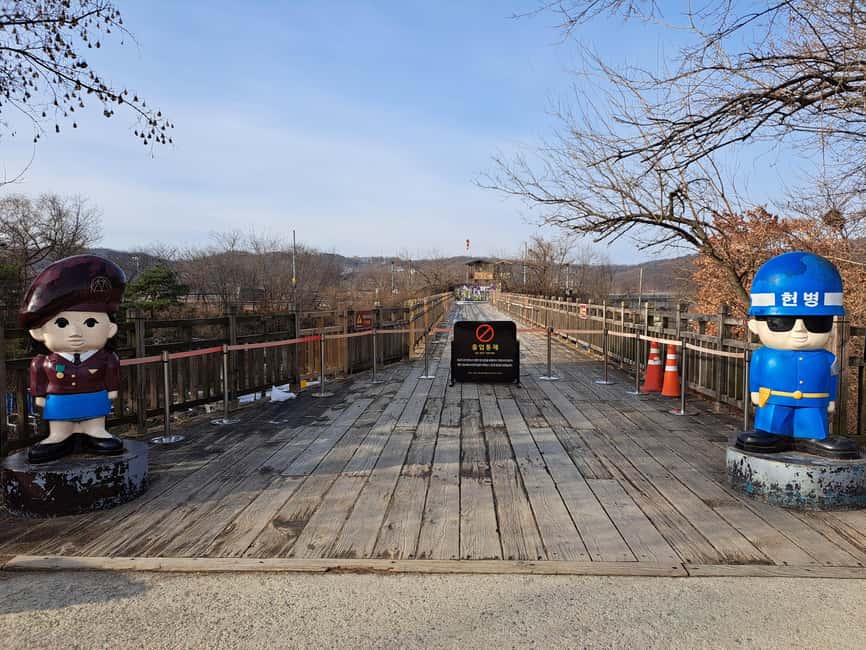
For the suspension bridge option, you cross a 150m swinging bridge with mountain scenery that can feel great in any season. In good weather, it’s an easy win: you get height, you get views, and you get a break from enclosed or strictly guided areas like the tunnel.
But don’t ignore the obvious: you’ll still be walking, and the day already includes steep sections. Some people found they needed breaks during the steep portions near the tunnel area. Add bridge time, and you should assume your legs will work a bit harder than you expect.
If you’re comfortable with height and have decent stamina, the bridge is a nice balance. If you’re easily overwhelmed by narrow paths or steep grades, this option might not be the best use of your energy.
Monday schedule swaps and the defector meeting option
This tour comes with a few rhythm changes depending on day of week.
- The gondola and the option to meet a North Korean defector are unavailable on Mondays.
- On Mondays, the tour visits different DMZ components: the 2nd Tunnel, Peace Observatory, and Woljeonri Station.
That means if your “must-do” is the defector meeting or the gondola ride, avoid Mondays. If your priorities are the tunnel and the general DMZ story, Mondays still offer a strong alternative set of stops.
Also keep in mind: the DMZ is UN-managed. Weather or political factors can trigger last-minute changes. Your guide should notify you in advance if a major swap happens, and you’ll typically get offered a free reschedule or refund.
Walking conditions and who should reconsider
This is the part many people skim, and it’s the part that can save your day.
The tour is described as not suitable for:
- People with claustrophobia
- People with heart problems
- People with low fitness
- Anyone who can’t handle steep, narrow walking
If you’re worried, take the tunnel seriously. You can choose to stay outside the 3rd Tunnel area, which keeps the day’s context without forcing you into the tight space.
Good news: you can still get value from the rest of the route—Dora Observatory views, the station symbolism, and the optional gondola or suspension bridge (if you’re physically up for them).
What to pack (and why your passport matters here)
Pack for a full day outdoors with walking that includes steep grades.
Bring:
- Passport for everyone, including infants, valid for 6 months or longer
- Comfortable shoes with solid grip
Don’t bring:
- Pets (not allowed)
Also, think about hydration and layers. You don’t get food or drinks included, and the day includes walking. Some stops have places to buy lunch and snacks. If you want control, you can plan to eat at stops along the way rather than trying to eat on a bus.
One more practical note: monorails are not available here. That’s not a problem for most people, but it matters if you’re used to other forms of transit.
Price and value: is $37 worth it?
At about $37 per person, this tour can feel like excellent value if your goal is to hit the main DMZ story points in one organized day with transfers and admissions handled. You’re paying for more than a ride out of Seoul.
What you get in the core price:
- Transfers from Seoul
- A professional English-speaking guide
- Entry tickets for the DMZ
Optional add-ons like the gondola and suspension bridge also sit inside the same day structure. If you’re choosing one add-on, I’d think in terms of how you want to spend your energy: gondola adds viewpoint time with less tight-space strain; the bridge adds outdoor views but still asks you to walk.
Also, the guide factor is real. In this type of tour, timing and explanations can make the difference between feeling lost and feeling informed. People have praised guides like Roy, Sean Kim, Patrick, and Ki for keeping the day on track and making sure you know what to do at each stop. Even if you don’t care about guide stories, a smooth schedule helps you actually enjoy what you paid to see.
A day you’ll remember: tension, engineering, and hope in the same route
The DMZ doesn’t let you stay neutral. At Dora Observatory, you’re looking at the present. At the 3rd Tunnel, you’re looking at the past as a physical structure—tight, engineered, and built for movement. Then Dorasan Station brings you to the human end of the story.
This balance is why the tour works. It’s not only about spectacle. It’s about perspective: surveillance and distance, then the engineering of threat, then the symbol of reunification.
And because the day is structured with clear landmarks, you can leave with a sense of what each place means—without needing to research for weeks before you go.
Should you book this DMZ day trip?
Book it if:
- You want the biggest DMZ highlights in one day from Seoul
- You’re comfortable with a physically active day and a tight walking section
- You like guided context at each stop, not just views
- You’re open to optional upgrades like the gondola or suspension bridge (except if you’re traveling on Monday)
Consider skipping or modifying if:
- Claustrophobia could be a serious issue (the 3rd Tunnel is tight and requires steep walking)
- You have heart concerns
- Your fitness level is low and you’re worried about steep, narrow grades
If you want an efficient way to understand the Korean Peninsula’s most sensitive divide—and you can handle the walking—the DMZ day trip is a strong, practical choice.