REVIEW · SEOUL
Ultimate Korea DMZ Tour from Seoul (Gondola & Suspension Bridge)
Book on Viator →Operated by VIP TRAVEL Co.Ltd · Bookable on Viator
Cold War silence, up close. This DMZ day trip mixes big-picture war history with real-world sights like the Paju Imjingak Peace Gondola and stops built around Korean reunification hopes. I especially like the way guides keep the day moving and explain what you’re seeing without turning it into a lecture, and the gondola adds a rare aerial view over the Imjin River.
One heads-up: the walking can be tougher than you expect, with uphill sections tied to the tunnel and the suspension bridge add-ons. If you have limited mobility, plan carefully and be ready for stairs and uneven ground in a few key moments.
In This Review
- Key highlights at a glance
- A DMZ day trip that’s more than photo stops
- Meet-up spots in Seoul and how the day gets organized
- Imjingak Pyeonghwa-Nuri Park: reunification hope you can walk through
- Bridge of Freedom: history with a specific, grim number
- Paju Imjingak Peace Gondola: the easiest way to see the DMZ from above
- Mangbaedan and the Peace Bell: memorials built for remembrance
- Steam locomotive and the everyday objects of war-era memory
- The Unification Bridge checkpoint: ID checks are real
- Third Tunnel: the most physical history moment
- Dora Observatory: the closest look you’ll get at North Korea
- Optional suspension bridges: when to say yes, and when to skip
- Tongilchon-gil: a calmer pause just beyond the Civilian Control Line
- Walking reality: what to prepare for in a 7.5-hour day
- Value check: is $35 good for this much DMZ access?
- Should you book this DMZ tour?
- FAQ
- How long is the Ultimate Korea DMZ Tour from Seoul?
- How much does the tour cost?
- Where do I meet the group in Seoul?
- Is lunch included?
- Is the DMZ gondola ride included?
- Do I need a passport or ID?
- Are the suspension bridge stops mandatory?
- Is free cancellation available?
Key highlights at a glance
- Paju Imjingak Peace Gondola: birds-eye views as you cross the Imjin River toward the DMZ
- Third Tunnel stop: a hands-on look at how infiltration attempts shaped the border
- Dora Observatory: South Korea’s closest view of North Korea, with telescope viewing
- Imjingak Park landmarks: Peace Bell, Iron Horse steam locomotive, and reunification exhibits
- Bridge of Freedom: a powerful, practical stop tied to prisoners crossing after the armistice
- Optional suspension bridges: Gamaksan Red Bridge and Majang Lake for extra views and movement
A DMZ day trip that’s more than photo stops
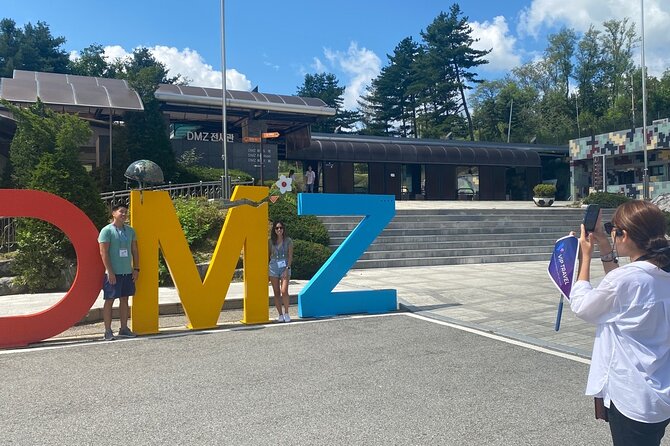
The DMZ is only about 4 km wide, but it packs a lot of tension into a small space. On this tour, you see how South Korea uses memorials, checkpoints, and carefully managed viewpoints to make the story understandable. You also get the “today” angle through places focused on reunification hope, not just battle dates.
What makes this route work is the mix of perspectives. You get quiet, reflective stops (memorial altars and bells), practical history stops (like bridges tied to wartime movement), and viewpoint time (gondola and observatories). It’s a strong way to turn a scary geopolitical idea into something you can actually picture.
You can also read our reviews of more tours and experiences in Seoul.
Meet-up spots in Seoul and how the day gets organized
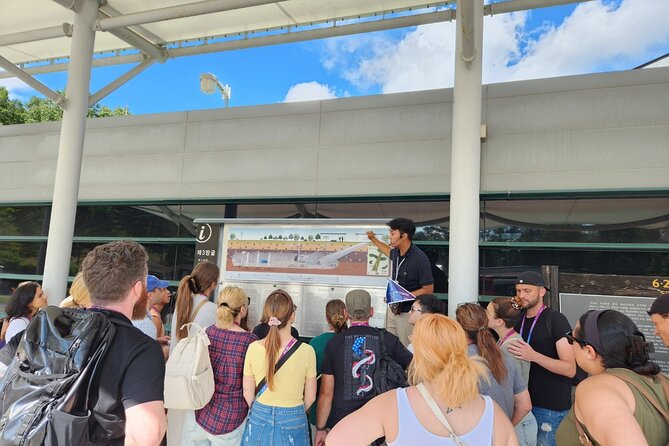
Your day starts in central Seoul with three meeting points: Myeongdong Subway Station (Exit 9), Seoul City Hall Subway Station (Exit 6), and Hongdae Subway Station (Exit 3). Pickup is offered, and you’ll use a mobile ticket for the day.
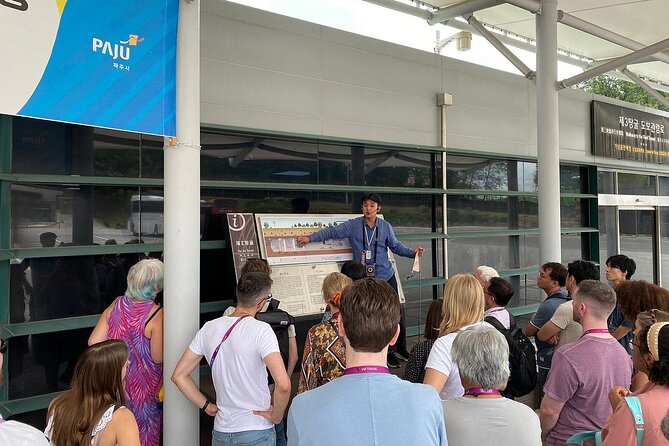
This kind of tour depends on timing because the DMZ area runs on strict rules. In practice, that means your guide will keep the group together and move you along when it’s time to check in, board, and queue. Many of the highest-rated guides highlighted in the reviews are praised for exactly that: keeping the pace up and preventing delays.
Drop-off isn’t at your hotel. You’ll get off at Hongdae, Seoul City Hall, or Myeongdong instead. If you’re staying farther out, this is one reason to plan your evening return before you go.
Imjingak Pyeonghwa-Nuri Park: reunification hope you can walk through
The tour begins its DMZ theme at Imjingak Pyeonghwa-Nuri Park. This isn’t a single monument—it’s an area built for telling the reunification story through exhibits and objects you can see up close. The park is known for elements like pinwheels and shaded outdoor areas, which makes the mood calmer than you might expect before you hit the more restricted DMZ zone.
One stop you don’t want to rush is the “Iron Horse” area tied to the Korean War relic train. It’s the kind of object that turns abstract history into something physical—rust, weight, and age you can actually react to. Even if you’re not the type to read every placard, these are easy places to understand why people feel strongly about this border.
From the park, the route naturally leads you into more directly war-linked sites, so the emotional tone shifts in a way that feels earned, not random.
Bridge of Freedom: history with a specific, grim number
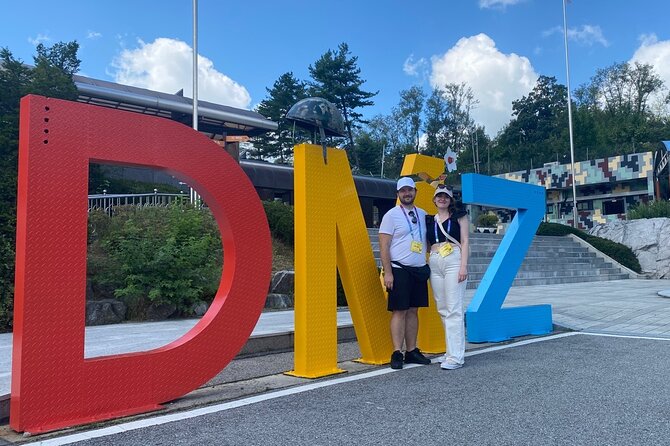
Then you move to the Bridge of Freedom. This temporary wooden span was built in 1953 after the Korean War armistice, replacing a destroyed railroad bridge over the Imjin River. The stop is tied to the movement of 12,773 prisoners carried to South Korea after the war.
That number matters. It’s specific enough to prevent the story from getting fuzzy. You can stand there and connect the physical site to the human cost—then watch how the rest of the day reframes that trauma into memorials and reunification symbols.
This stop is short, but it’s one of the anchors of the whole experience. If you only give this day “tourist mode,” you miss why it hits so hard for so many people.
Paju Imjingak Peace Gondola: the easiest way to see the DMZ from above
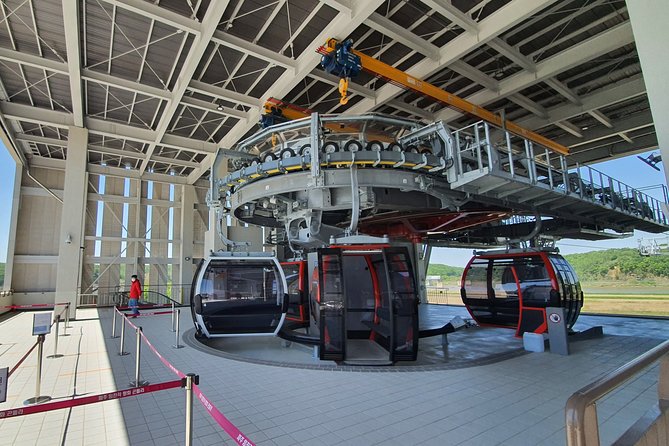
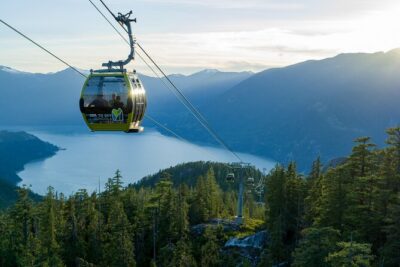
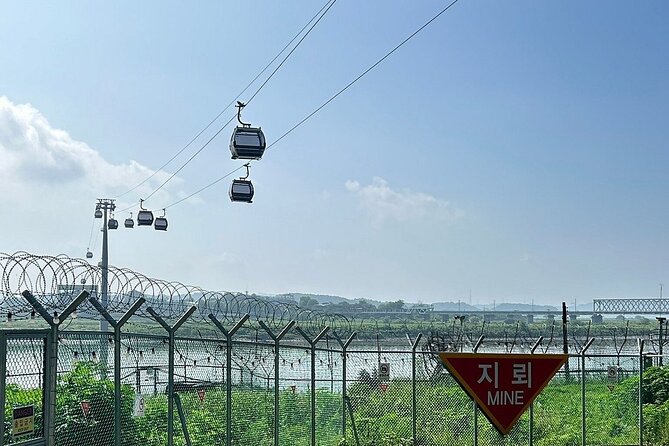
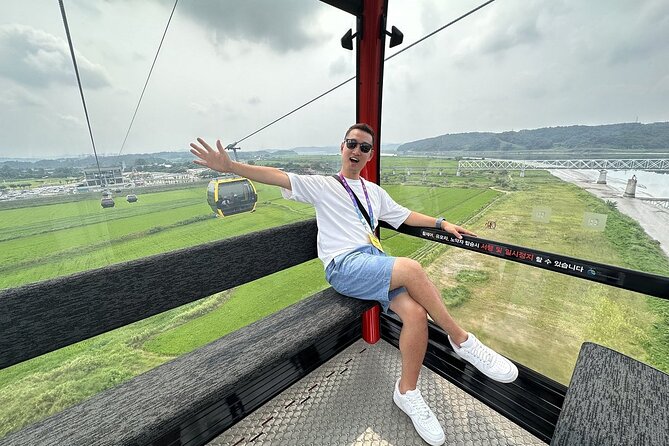
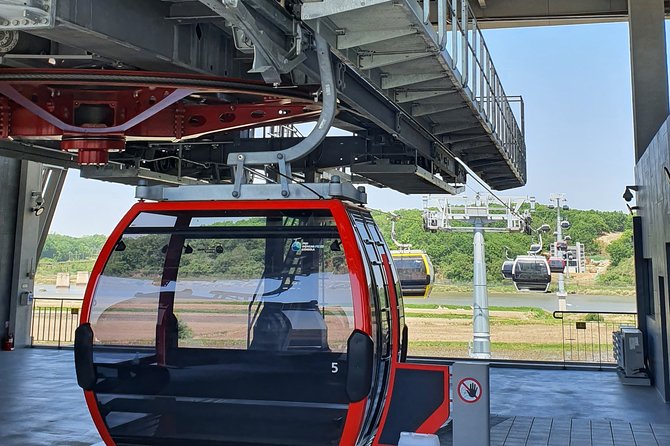
The Paju Imjingak Peace Gondola is one of the most praised parts of the day. It was completed in 2020 and crosses the Imjin River with passengers, giving you a birds-eye view of the DMZ area. It also goes beyond the Civilian Control Line, which is exactly why it feels different from standard viewpoint platforms.
Why I think it’s worth it: gondola time gives you a wider spatial sense. Instead of only seeing fences and angles from ground level, you can understand the shape of the border and the scale of the river corridor. Reviews also repeatedly call the gondola ride worth the time, especially when you want a break from standing and walking.
If you’re choosing between add-ons, I’d still treat gondola as the one that changes how the day “reads” visually. You’re not just collecting stops; you’re building a mental map.

Mangbaedan and the Peace Bell: memorials built for remembrance
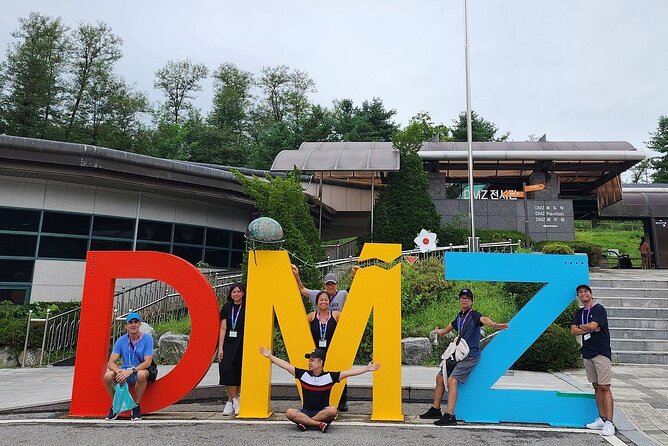
After the gondola and surrounding DMZ-related sights, the tour goes into memorial territory with sites that focus on families and prayers.
At Mangbaedan Memorial Altar, people honor loved ones in North Korea, especially during holidays. The atmosphere is described with sensory details like incense and ribbon-like prayers fluttering. It’s a short stop, but it lands because it shifts the story from military geography to family loss and long waiting.
Then comes Pyeonghwauijong, the Peace Bell. This 21-ton bronze bell, cast in 2002, is designed as a reunification symbol. You can even touch the bell surface, and the deep chime is part of why this stop sticks with people. Prayer flags rustling and the bell’s physical weight reinforce the idea that hope here is not a slogan—it’s a daily practice for many families.
Steam locomotive and the everyday objects of war-era memory
Not every powerful DMZ stop is a tunnel or a telescope view. The tour also includes the steam locomotive at Jangdan Station of the Gyeongui Line, often referred to as the Iron Horse.
This works because locomotives and rail lines are simple. They represent movement: evacuation, transport, supply, and the way war disrupts normal life. Seeing the locomotive in this context makes the Korean War feel less like a far-away chapter and more like a chain of logistics that affected real people.
If you’re traveling with family, these object-based stops tend to be easier for kids and adults who don’t want to spend every minute reading.
The Unification Bridge checkpoint: ID checks are real
One of the most practical parts of the day is the Unification Bridge military checkpoint. Soldiers will inspect the bus and do ID verification. Bring your passport, Military ID Card, or a South Korea-issued ARC.
This is also where you’ll learn to listen closely to your guide. Photo rules can be strict in certain areas, and a few reviews mention disappointment when photography of North Korea isn’t allowed. The best way to avoid frustration is to assume there will be limits and focus on what your eyes can see when it’s permitted.
If you hate rules, this stop will test your patience. If you accept that the border area has security needs, it becomes just another checkpoint in a longer story.
Third Tunnel: the most physical history moment
The Third Tunnel stop is the kind of visit that feels simple until you’re in it. It’s also called the 3rd Infiltration Tunnel. The tunnel is located about 12 km from Munsan and 52 km from Seoul.
What makes it memorable is the walking involved and the narrow, controlled viewing experience. Reviews mention limited space inside the tunnel, plus uphill difficulty on the way back out. Another detail that comes up is that the viewing windows can feel brief, so if you expect a museum-level exhibit the whole time, the tunnel itself can feel like a lot of movement for a short look.
Still, it’s one of the closest things you’ll get to feeling how physical infiltration attempts were. This stop is more about effort and atmosphere than about seeing a big wide scene.
Dora Observatory: the closest look you’ll get at North Korea
Next is Dora Observatory, rebuilt in 2018. It was established in 1986 and sits at the top of Dorasan. This is one of the most direct viewpoint experiences: it’s South Korea’s closest view of North Korea, and you can use a telescope for viewing.
Even if you don’t see much in the moment (haze happens, weather changes), the point is the controlled line of sight. You’re standing at a place designed for watching, with instruments for the job. The observatory turns tension into optics.
This stop also helps you connect earlier memorials and stories to a physical reality: the border isn’t just paperwork—it has line-of-sight consequences.
Optional suspension bridges: when to say yes, and when to skip
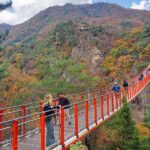
If your day includes it, Gamaksan Chulleong Bridge is an optional stop. It’s the Gamaksan Red Suspension Bridge near the DMZ, built in 2018 to honor Korean War heroes. It’s about 150 meters long and 1.5 meters wide, and it can hold up to 900 adults.
The bridge visit is popular partly because it adds a clear visual payoff: you’re outside, you’re walking, and the views can feel dramatic. Reviews also highlight that some uphill sections can be tough, so this is where fitness matters.
There’s also an optional stop at Majang Lake, with a 220-meter suspension bridge built in 2017. People describe it as bouncing as you cross and as a reservoir turned into an oasis-like setting. It’s optional, but it’s the kind of add-on that can make your day feel less like a strictly memorial-only route.
If you’re short on energy, skip one add-on rather than trying to power through both.
Tongilchon-gil: a calmer pause just beyond the Civilian Control Line
Another optional-feeling break in tone is Tongilchon-gil (also described as a village area). It’s a peaceful place just beyond the DMZ’s Civilian Control Line, and it’s tied to local farming—specifically Jangdan soybeans.
This stop gives you a chance to catch your breath. After tunnels, bells, and checkpoint procedures, it’s a reminder that the border region is still lived in and worked.
Even if you don’t do anything except walk slowly and take in the air, this kind of stop makes the day less heavy without erasing the seriousness.
Walking reality: what to prepare for in a 7.5-hour day
This tour is about 7 hours 30 minutes total. It sounds like a manageable half-day, but the time is packed with movement and short photo/entry windows. You’re in and out of vehicles multiple times and you’ll likely stand longer than you expect at certain stops.
The biggest physical challenge is the walking associated with the Third Tunnel and the suspension bridge add-ons. Reviews flag two longer uphill walks and limited alternatives for people with disabilities. If mobility is a concern, don’t assume everything will be flat and stroller-friendly.
Also plan for early starts. One review mentions being ready for the tour to leave earlier than posted due to demand and the need to hit many stops. That’s common in DMZ day trips, because rules and crowds don’t care about your schedule.
Bring shoes you trust on uneven ground. Dress in layers because temperatures can shift quickly between outdoor stops and indoor or controlled spaces.
Value check: is $35 good for this much DMZ access?
At $35 per person, this is strong value, mainly because it bundles transport and many included admissions. You get an air-conditioned vehicle, all fees and taxes, and guided commentary, plus an experience that covers multiple DMZ core sites—tunnel, observatory, memorial zone, and the gondola ride (when you opt for it as part of the day).
The main costs you’ll still manage yourself are personal ones: lunch is not included, and you won’t get hotel drop-off. But you do have several drop-off options in central neighborhoods, which helps you recover without needing to coordinate a complicated return.
For me, the best value signal is simple: you’re not spending extra time figuring logistics. The guide and the transport do that work while you focus on the sights.
Should you book this DMZ tour?
Book it if you want a first-timer-friendly DMZ day that balances memorials, viewpoints, and real war-era sites without feeling random. It’s also a good family option if everyone can handle moderate walking and stands in line calmly.
Skip or swap to a gentler format if uphill walking and tight spaces inside tunnels sound like a problem for you. Also go in mentally prepared for photography restrictions in some areas. That’s not a failure of the tour—it’s part of how the border works.
If you do book, choose your meeting point based on how easy it is for you to get there quickly. Start the day organized, ID-ready, and with comfortable shoes. Then you’ll get the full payoff: gondola views, observatory sightlines, and memorial stops that explain why reunification hope still feels urgent here.
FAQ
How long is the Ultimate Korea DMZ Tour from Seoul?
The tour lasts about 7 hours 30 minutes.
How much does the tour cost?
It’s $35.00 per person.
Where do I meet the group in Seoul?
You can meet at Myeongdong Subway Station (Exit 9), Seoul City Hall Subway Station (Exit 6), or Hongdae Subway Station (Exit 3).
Is lunch included?
No. Lunch is not included.
Is the DMZ gondola ride included?
The Paju Imjingak Peace Gondola is described as optional, and its admission is listed as included.
Do I need a passport or ID?
Yes, at the Unification Bridge military checkpoint, soldiers will inspect the bus and verify IDs. Bring a passport, Military ID Card, or a South Korea-issued ARC.
Are the suspension bridge stops mandatory?
Gamaksan Red Suspension Bridge and Majang Lake suspension bridge are listed as optional add-ons.
Is free cancellation available?
Yes. You can cancel up to 24 hours in advance for a full refund.