REVIEW · SEOUL
1 Day Private Full DMZ Tour in Seoul with Crystal Gondola
Book on Viator →Operated by Youus Tours Korea · Bookable on Viator
A DMZ day can feel surreal fast. This private tour brings you to the border world in one long, well-paced day, with Crystal Gondola crossing views and admission fees handled for you. You also start with an early breakfast and skip the hassle of meeting a big bus crowd.
I especially like two things: the hotel pickup and private van (less waiting, more control of the day), and the fact that major stops are built around what you’ll actually want to see, like Imjingak, Dora Observatory, and the Third Tunnel, with key admissions included.
One consideration: it’s a long day with real walking and some elevation, so you’ll want good grip shoes and a plan for food (lunch isn’t included).
In This Review
- Key points before you go
- A 9–10 Hour Private DMZ Day With Pickup and Crystal Gondola
- Imjingak Pyeonghwa Nuri Park: War Memory Before the Border
- Crystal Cable Car Over the Imjin River: DMZ Views Done the Easy Way
- Dora Observatory: North Korea and Kaesong Through High-Power Binoculars
- Tongilchon-gil and the Third Tunnel: Snacks, Helmets, and Walking Through History
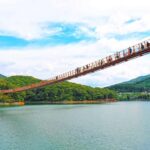
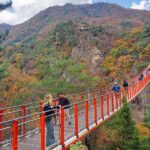
- Gamaksan Chulleong Bridge: A Swaying Suspension Walk to Close the Day
- Price and Value: What $220 Buys in a Private DMZ Schedule
- Practical Tips: Passport, Walking, and Food on a Long Border Day
- Should You Book This Private DMZ Tour With Crystal Gondola?
- FAQ
- What time does the tour start?
- How long is the DMZ tour?
- Is pickup and drop-off included in Seoul?
- Are entrance tickets and admissions included?
- Is lunch included?
- Does the tour include the Crystal Gondola cable car?
- Do I need a passport?
- What walking level should I expect?
- Is this a private tour?
- Can I add Incheon Airport pickup or drop-off?
Key points before you go
- Private group setup means you’re not stuck in a crowded mass schedule.
- Breakfast plus bottled water at the start keeps the early hours manageable.
- Crystal cable car over the Imjin River is included, with strong border-area views.
- Third Tunnel involves walking through the tunnel after putting on a helmet.
- Dora Observatory gives you close-looking views using high-performance binoculars.
- Gamaksan Chulleong Bridge adds a light hiking walk before you head back to Seoul.
A 9–10 Hour Private DMZ Day With Pickup and Crystal Gondola
This is one of those “do it once, do it right” days. You’re picked up directly from your Seoul hotel, then you ride in an air-conditioned private vehicle with your own group. That matters because a DMZ trip is already structured tightly by access rules, bus timetables, and security lines. A private setup helps you get to the right places without wasting time.
You start early (meeting starts at 7:00 am) and the full day runs about 9 to 10 hours. In practice, you’ll be outdoors and on your feet for several segments, especially around the Third Tunnel and the bridge walk later. The tour includes bottled water and an easy-to-eat light breakfast at the beginning, which is a smart touch for an early departure.
Also, the tone of the day depends heavily on your guide. The strongest theme in guide feedback centers on people like Andy, David, and Lucy being friendly, careful, and clear in English. One big plus: guides are praised for keeping explanations balanced—enough context to understand what you’re seeing, without turning the whole day into a lecture.
You can also read our reviews of more tours and experiences in Seoul.
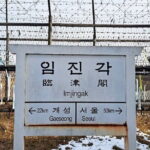
Imjingak Pyeonghwa Nuri Park: War Memory Before the Border
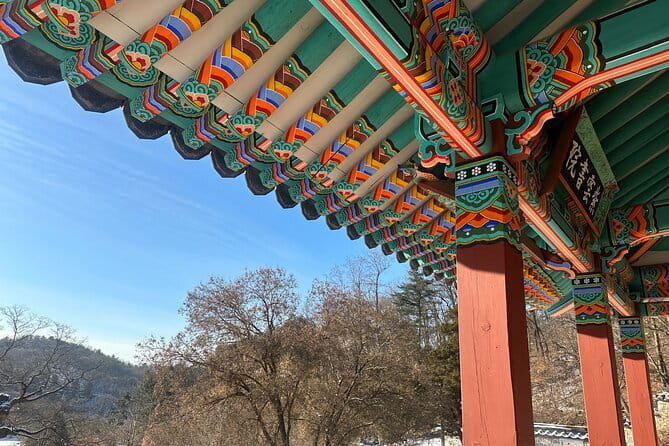
You’ll begin at Imjingak Pyeonghwa Nuri Park, a place built to honor those who left North Korea during the Korean War. It’s not just scenery. This stop sets the emotional and historical context before you move closer to the line that still shapes daily life in both Koreas.
Expect to walk through areas with war artifacts and see the Bridge of Freedom, tied to the liberation-era story. It’s a good first stop because it grounds you. You’re not just chasing viewpoints; you’re getting the “why” behind the sights you’ll see later.
What I like about this order: you don’t jump straight to border infrastructure. You start with memory and meaning, then the day shifts into observation points and physical traces of conflict. The duration here is about 1 hour, and admission is listed as free for this stop.
A small practical note: even though this is a “park” stop, it’s still part of your walking day. Wear shoes you’re comfortable in for uneven ground and stair-like bits you might encounter.
Crystal Cable Car Over the Imjin River: DMZ Views Done the Easy Way

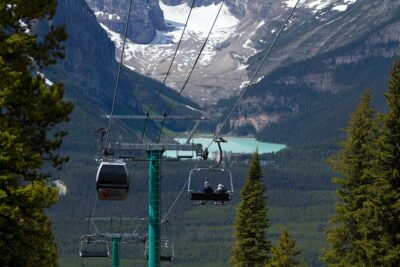
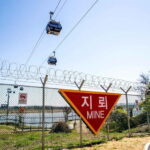
Now for the signature moment: the DMZ segment includes a crystal cable car ride across the Imjin River, spanning the Civilian Control Line over 850 meters. The tour notes that there’s no extra charge for this part, which is a big value point because DMZ viewing often comes with separate add-ons.
The “crystal” part isn’t marketing fluff. You’ll be traveling in a way that gives you strong viewing angles over the water and toward the protected border zone. The transparent floor element is specifically called out, so you should expect a more intense viewpoint than a normal bus window photo.
This stop is about 1 hour, and admission is included. If you’re the type who worries about missing the best angle, this cable car segment tends to be the portion that makes people say the day feels uniquely structured. It also breaks the day up—half driving, half moving through set viewing points.
If you’re prone to motion sensitivity, it’s still a cable car ride rather than a boat or long transport. Still, the best advice is the same: go with a calm stomach and stay seated while you look down when you feel ready.
Dora Observatory: North Korea and Kaesong Through High-Power Binoculars

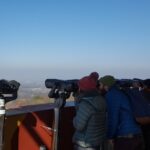
After the cable car, you move to Dora Observatory, one of the most talked-about DMZ stops for a reason: it’s designed for looking. From here, you get a close-up view of North Korean villages and the city of Kaesong.
The tour describes the setup as being near the border and equipped with high-performance binoculars, which is exactly what you want at an observation point. A view is only useful if you can actually see details. Here, the viewing tools are part of the purpose of the stop, and admission is included.
This portion runs about 1 hour, which is a decent amount of time. Not too short that you feel rushed, not too long that you get bored. You’ll likely spend extra minutes at the binoculars, then step back to take in the larger area and relate it to what you learned earlier at Imjingak.
One thing to keep in mind: this is looking through a controlled, fixed perspective. Your job isn’t to “solve” the border. Your job is to absorb what it means to see the other side at a distance that still feels close enough to be real.
Tongilchon-gil and the Third Tunnel: Snacks, Helmets, and Walking Through History
This is where the DMZ stops feeling theoretical.
First comes Tongilchon-gil, also described as the Unification Village area. You’ll explore local specialties here, and the tour notes the region is known for beans, with unique desserts and snacks based on local products. Since the tour doesn’t include lunch, this is one of the places where you may choose your own bite so you’re not running on empty later in the day.
Then you go to the Third Tunnel, one of the tunnels North Korea built to infiltrate South Korea. This stop is active. You’ll put on a helmet and walk through the tunnel. That physical component is the key difference from an observation-only day. It forces your body to understand the scale and effort involved in something meant to breach a boundary.
This part also lasts about 1 hour, with admission included. In practical terms, it’s one of the more physically demanding moments because tunnels come with tight spacing, uneven footing, and a mental weight that makes you notice every step. Plan to take it slowly and keep your head clear.
A useful tip from real-world experience: pack your day like a long hike. The tour includes water and a light breakfast, and there may be places to grab snacks during the day, but I still think it’s smart to bring a small backup like a granola bar or two. Lunch isn’t included, and the DMZ day doesn’t feel like the time to discover you’re hungry.
Gamaksan Chulleong Bridge: A Swaying Suspension Walk to Close the Day
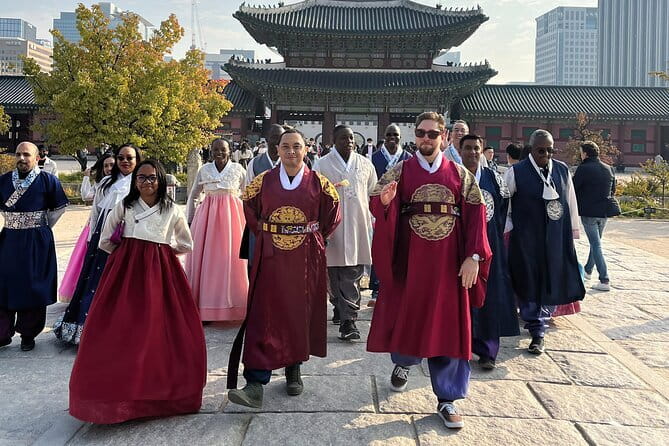
Not every DMZ itinerary includes a leg of walking that isn’t directly tied to tunnels and checkpoints. This one adds Gamaksan Chulleong Bridge, with a light hiking adventure.
The tour highlights the bridge as iconic, and explains the Korean term Chulleong means swaying. That’s exactly the idea: a suspension bridge feel, where you can sense the movement while crossing. This is a good “reset” after the tunnel stop because it shifts you from enclosed history to outdoor views and fresh air—though it’s still on a long schedule.
Expect about 1 hour here, and admission is listed as free for this stop. The tour also points out elevation and a sense of thrill crossing, so wear shoes with good grip. If you’re the type who gets uneasy on moving bridges, take your time and focus on steady steps rather than the sensation.
By the time you reach the final walk, you’ll probably feel the day in your legs. That’s normal. The private vehicle back to Seoul is what makes this ending feel manageable rather than exhausting.
Price and Value: What $220 Buys in a Private DMZ Schedule
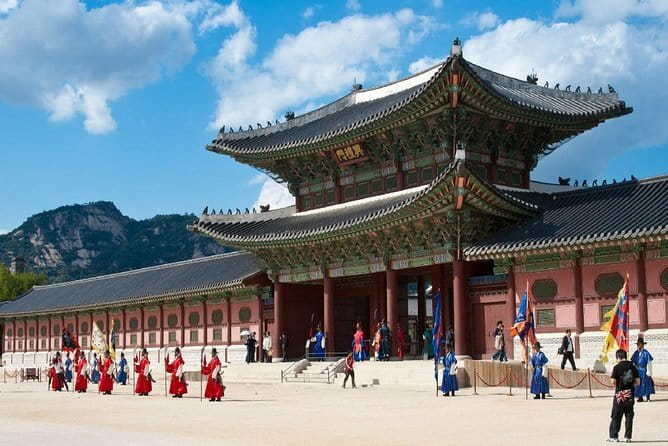
At $220 per person, the headline question is simple: is this worth it?
Here’s how I’d judge it. You’re paying for a private tour experience with direct hotel pickup and drop-off within Seoul city, plus air-conditioned comfort for the travel time you’d otherwise spend coordinating. You’re also paying for the DMZ-focused structure—key entrances and admissions are included, and the crystal cable car ride is specifically noted as included without extra charge. For many visitors, that combination is what turns a “someday maybe” DMZ plan into a confident one-day decision.
The tour also includes bottled water and breakfast, which sounds small until you remember the start time. For an early day at the border, that coverage is real value, because it prevents decision fatigue at the first stop.
The guide factor is also part of the value. Feedback highlights a pattern: guides like Andy, David, and Lucy are praised for being kind, patient, and careful drivers, with English that works well for non-Korean speakers. One review also mentions communication like a phone call and Kakao chat to confirm details, which is exactly the kind of small professionalism that reduces stress on a day with checkpoints.
What you should factor in: lunch isn’t included. So the day’s total cost may rise a bit based on what you buy at Tongilchon-gil or anywhere else you stop for food.
Practical Tips: Passport, Walking, and Food on a Long Border Day

A few practical points will make your day smoother.
Bring your passport. DMZ stops involve identification checks, and feedback specifically mentioned passport needs for US visitors at checkpoints. Even if you’re carrying other ID, a passport is the safe bet for a DMZ day.
Plan for walking and elevation. The Third Tunnel portion is physically active, and the Gamaksan bridge walk includes crossing on a suspension bridge feel. The tour asks for a moderate physical fitness level, and I agree that good shoes matter more than fancy clothes.
Don’t count on lunch being solved for you. Breakfast and water are included, but lunch isn’t. Keep some flexibility and consider a small snack backup in case you want something quick between stops.
Expect a controlled travel rhythm. Even with a private vehicle, the DMZ itself uses organized transport and security rules. The private part helps you arrive smoothly and avoid the chaos of big bus crowds, but you’ll still follow the DMZ’s structured access flow.
Should You Book This Private DMZ Tour With Crystal Gondola?
If you want a DMZ day that feels human-paced instead of bus-rushed, I’d book it. The strongest reasons are practical: hotel pickup, a private group setup, admissions included, and the crystal cable car and major border stops all planned into one efficient day.
I’d only hesitate if you have trouble with long days of walking or if you’re very sensitive to cramped or enclosed spaces, since the Third Tunnel is a helmet-on walk-through experience.
If your goal is to see the DMZ highlights without turning the day into a logistics puzzle, this is a solid pick.
FAQ
What time does the tour start?
The start time is 7:00 am.
How long is the DMZ tour?
It runs about 9 to 10 hours.
Is pickup and drop-off included in Seoul?
Yes. The tour offers direct hotel pickup in Seoul and drop-off at your desired destination within Seoul city.
Are entrance tickets and admissions included?
Yes. All fees and taxes are included, and the tour cost covers all listed tickets and admission fees.
Is lunch included?
No. Lunch is not included.
Does the tour include the Crystal Gondola cable car?
Yes. The crystal cable car ride across the Imjin River is part of the DMZ stop and is included without extra charge.
Do I need a passport?
DMZ checkpoints require identification. In feedback, US visitors were advised to bring a passport.
What walking level should I expect?
The tour is for travelers with a moderate physical fitness level. You’ll be walking and there is some elevation, especially around the Third Tunnel.
Is this a private tour?
Yes. It’s a private tour/activity, meaning only your group will participate.
Can I add Incheon Airport pickup or drop-off?
Yes, optional Incheon Airport pick-up/drop-off is available for $50 each way ($50 pickup / $50 drop-off).