REVIEW · SEOUL
DMZ Guided Tour with Suspension Bridge / Gondola from Seoul
Book on Viator →Operated by Korea Time Tour · Bookable on Viator
A border trip that hits hard without wasting your day. This DMZ tour is built around major sites like the DMZ area, Dora Observatory, and either the Third Tunnel or Second Tunnel, with an air-conditioned vehicle so you skip the stress of planning. I especially like the clear, story-driven way the day is explained by guides such as Patrick and Roy, and the fact that you can aim for the best odds of seeing North Korea on clear days. The main drawback is the schedule can feel strict, and fog or clouds can blunt the views.
You’ll also have optional add-ons for different photo angles, including the gondola or a suspension bridge near the DMZ. When the weather cooperates, it turns into more than sightseeing; it becomes a direct look at why this peninsula stayed divided. Just be aware the tunnel portion can include steep walking and hiking, and some health conditions can limit what you’re allowed to do.
In This Review
- Key takeaways before you go
- Price and value: why $35 can work on a heavy day
- Getting into the DMZ zone: transport and the reality of timed tickets
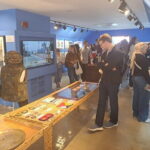
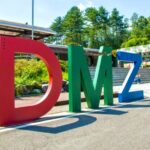
- Stop 1: the DMZ grounds and buffer-zone context
- Stop 2: the Third Tunnel (why it’s the highlight for many)
- Stop 3: Dora Observatory and your best chance to see North Korea
- Stop 4: Dorasan Station and the Unification Village option (how it adds meaning)
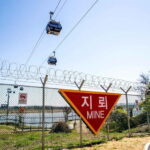
- Gamaksan Chulleong Bridge and the gondola option: choosing your photo moment
- Stop 5 on Mondays: Second Tunnel, Peace Observatory, and Woljeongri Station
- Gondola vs suspension bridge vs walking: how to pick based on your body
- Meeting a North Korean defector: what optional access changes
- Weather, fog, and what to do with it
- What guides do best here: why the names keep coming up
- Who should book this DMZ tour (and who should rethink)
- Should you book the DMZ Guided Tour with Suspension Bridge / Gondola from Seoul?
- FAQ
- How long is the DMZ guided tour from Seoul?
- Does this tour include entry tickets?
- Is the gondola included, or is it optional?
- Which tunnel do I visit, and does it depend on the day?
- Can I see North Korea from this tour?
- What if the Third Tunnel is unavailable?
- Is monorail available on this tour?
- Are there health restrictions for the tunnel?
- What is the cancellation policy if weather or politics disrupt the tour?
- Is the tour suitable for most people?
Key takeaways before you go
- Tight, timed entry: DMZ-related stops run on strict time slots, so you need to be on time.
- Weather controls the wow factor: clear skies improve your chances to see North Korea from Dora Observatory.
- Tunnel rules matter: the Third Tunnel involves intermediate hiking and can be off-limits for some conditions.
- Day-of-week changes the route: Mondays focus on Tunnel 2, while Tuesday–Sunday focus on Tunnel 3.
- Photo options are flexible: choose the gondola or suspension bridge when booking.
- Low stress transport: round-trip transfers by an air-conditioned vehicle are included.
Price and value: why $35 can work on a heavy day
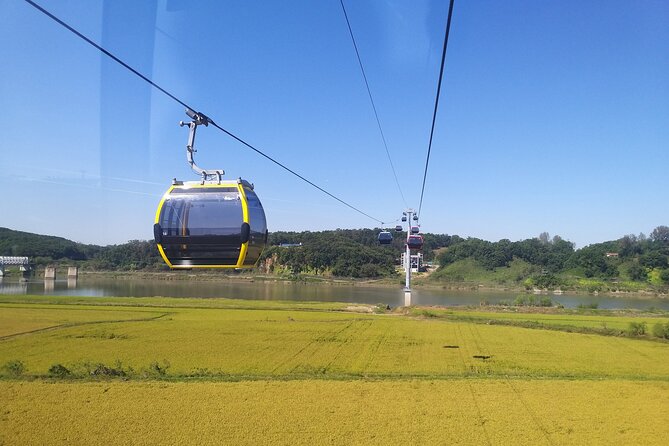
At about $35 per person, this is one of the more budget-friendly ways to do a guided DMZ day from Seoul. What you’re really paying for isn’t just transportation. You’re also getting admission to multiple major sites, an English-speaking guide/driver, and round-trip transfers—plus the option to include the gondola or suspension bridge depending on what you pick.
In Korea, individual attraction tickets can add up fast, and the DMZ is the one area where planning mistakes can cost you time (or ruin your viewing windows). This tour is built to reduce that risk: you don’t have to coordinate rides between distant points on your own.
The other value angle is explanation. The DMZ is emotionally charged and politically complex. A good guide makes the difference between a pile of plaques and something you actually understand. The tour’s best-known guides—like Patrick, Roy, Ki, Andrew, and April—are repeatedly praised for making serious history easier to follow and less like a lecture hall.
You can also read our reviews of more tours and experiences in Seoul.
Getting into the DMZ zone: transport and the reality of timed tickets
You’ll ride in an air-conditioned vehicle and avoid the day-drain of figuring out logistics between stops. Pickup and drop-off locations can shift depending on traffic, and your exact drop-off time can change too. That’s normal for a long day out of Seoul, especially when you’re dealing with timed entries.
Here’s what matters for your day: DMZ tickets have strict time slots. That means the schedule isn’t just “suggested.” If your group misses entry windows, you can lose time or have to wait. One downside that shows up in negative feedback is that if the day runs late, people can feel rushed or the mood can get tense. My practical advice is simple: be early, stay organized, and don’t plan to extend your day after the tour ends.
Also, the itinerary travel time between stops is excluded from the time estimates, so plan for a true 7 to 11 hour day. Wear shoes you can walk in for real.
Stop 1: the DMZ grounds and buffer-zone context
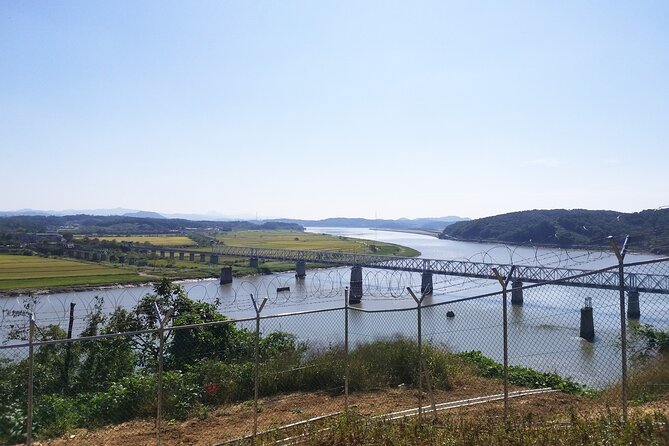
The day starts at the DMZ itself, described as a buffer between North and South Korea, stretching from Jeongdong-ri, Paju-si to Myeongho-ri, Goseong-gun (about 248 km in length). This is where you get the baseline: what the DMZ is, why it exists, and how the geography became part of the political map.
The best part of this stop is that it sets the story. Even if you already know the headlines, standing in the place where the situation is frozen makes the history feel less abstract. The time here is about 2 hours, and admission is included.
If the day starts with clouds or fog, don’t assume the entire trip is ruined. Some views depend on weather later, and your best “North Korea sightline” moment is tied to Dora Observatory later on.
Stop 2: the Third Tunnel (why it’s the highlight for many)
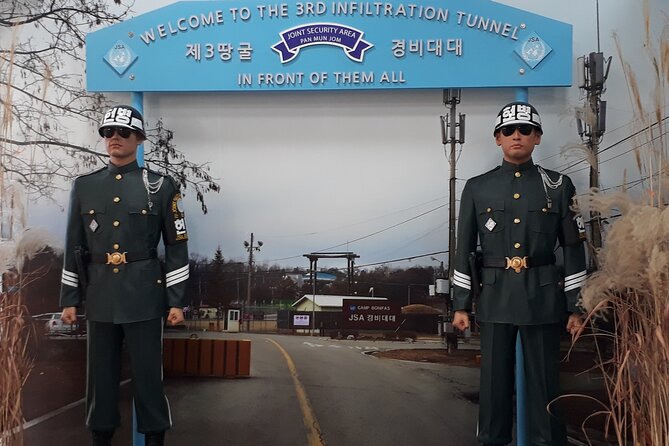
Most days run through the big tunnel experience: the Third Tunnel, discovered by South Korea in 1978. It’s listed as about 1,635 meters long, with a very tight profile: roughly 2 meters wide and 2 meters high. That scale is part of what makes it feel unsettling. This wasn’t built as a showpiece. It was engineered for movement.
The stop is about 1 hour, with admission included. But the time on paper hides the real rhythm of tunnel tours: you’ll spend time waiting your turn, and you’ll move at a controlled pace through the space. You also need to follow rules exactly. It’s also worth noting the tour lists health restrictions: people with heart disease, back issues, or respiratory problems may not be allowed to enter, and the route requires intermediate-level hiking.
There’s also a timing nuance. If the Third Tunnel is unavailable, it can be swapped to another destination. That means you’re not guaranteed the exact tunnel every day, but you usually won’t leave without the tunnel focus.
Why I think the Third Tunnel works so well: it turns geopolitics into a physical experience. You don’t just hear about strategy—you see how small the margins are when you’re talking about underground access.
Stop 3: Dora Observatory and your best chance to see North Korea
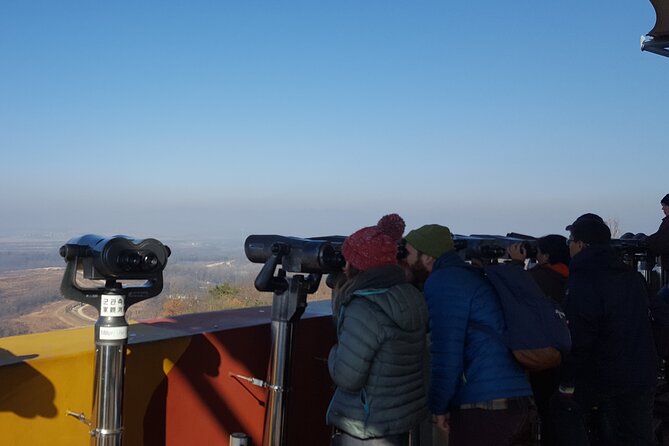
Next is the Dora Observatory. This is the stop that can change depending on weather. On clear days, you may be able to see North Korea. When it’s foggy or hazy, the view can shrink to silhouettes.
This stop is about 1 hour with admission included. The timing matters because you want visibility when you’re there, not an hour later. So if you’re planning your clothing, bring layers—even in summer, mornings around viewpoints can feel cooler.
One very practical tip: keep your eyes and camera ready for quick moments. At observatories, the best view window is often brief, and groups move on.
If you care about the chance to see North Korea, prioritize a clear-sky day when possible, even if you can’t fully control weather. The tour itself also notes that it can be canceled due to weather or political situations, and in those cases you’ll get a different date or a refund.

Stop 4: Dorasan Station and the Unification Village option (how it adds meaning)
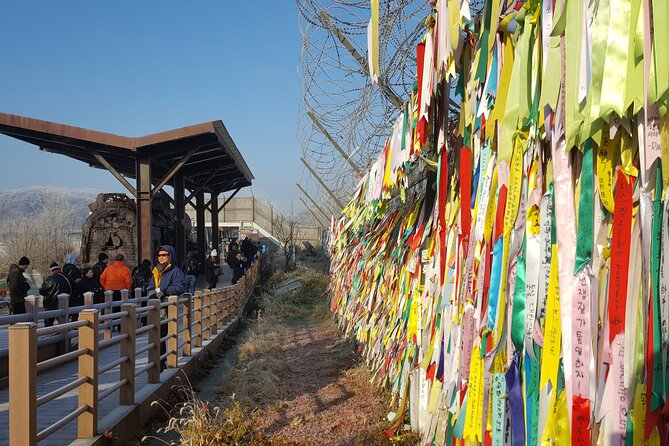
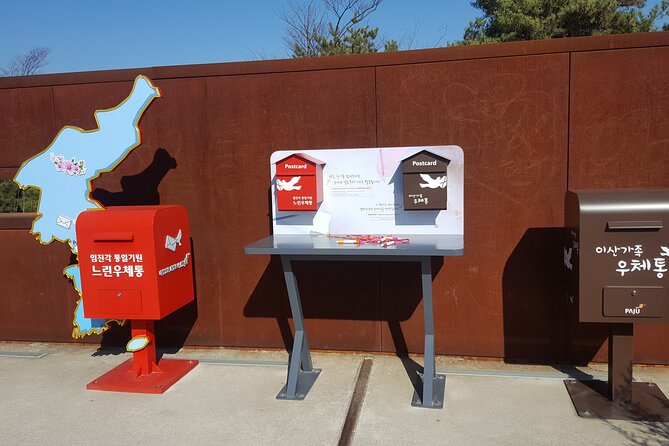
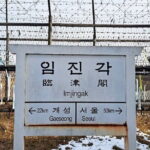
The tour description includes Dorasan Station, identified as the last station in South Korea, and it also mentions Unification Village on Tuesday through Sunday departures.
This part of the day is meaningful because it contrasts the observatory view with a human-facing idea: trains, stations, and the hope of connection. Even if you know the story already, it helps your brain place the DMZ not just as a military line, but as a place where people’s lives and plans get stuck.
You can also run into a pattern here: guides who are good at storytelling tend to make Dorasan and surrounding areas feel more grounded. If you get a guide like Roy or Ki, you’ll likely get the context you need to connect the dots without feeling overwhelmed.
Gamaksan Chulleong Bridge and the gondola option: choosing your photo moment
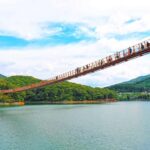
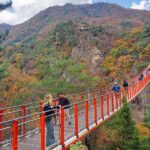
You can add the Gamaksan Chulleong Bridge if you select the suspension bridge option. The tour lists it near the DMZ area, and it’s built for dramatic viewing—especially at night with black and blue lights (though your visit time depends on the day’s schedule).
If you choose the gondola (cable car), you’ll get a different style of visuals: calmer, elevated angles that can help you capture the valley and ridgeline geography without the same walking strain.
What I like about having both choices: it gives you control over your energy. If you’re feeling strong and want big, dramatic views, you can lean toward the suspension bridge. If you want to minimize stairs and walking, the gondola can be a smart compromise.
Important detail: monorail is not available, so don’t plan on that option.
Stop 5 on Mondays: Second Tunnel, Peace Observatory, and Woljeongri Station
This tour runs differently on Mondays. Instead of the typical Third Tunnel day, it visits the Second Tunnel plus the Peace Observatory and Woljeongri train station, and it also includes the suspension bridge on Monday departures. The time for this stretch is listed as 3 hours with admission included.
Why this matters: if you’re set on the Third Tunnel specifically, you can’t treat the day as interchangeable. You should match your expectations to the day-of-week route.
The Second Tunnel stop is another chance to understand how the peninsula’s military logic became built into the landscape. Even though it’s not the same tunnel as the Third, it still gives you the same “this is engineered, not imagined” feeling.
Gondola vs suspension bridge vs walking: how to pick based on your body
The tour includes significant walking time, including parts described as steeper hiking toward the tunnel experience. One of the most useful pieces of practical guidance from feedback is to treat the Third Tunnel walking seriously: it can include a steep descent and incline, and the route is described as slightly wet and slippery at times. You don’t have to choose the tunnel if you’re restricted, but opting out means you’ll miss a major highlight.
If you’re traveling with seniors or anyone with mobility limitations, this is the part to think about early. The tour notes intermediate hiking requirements and limits for health conditions, and it also states that some travelers can participate—so suitability depends more on your physical tolerance than on age alone.
My quick decision rule:
- If you can handle steady walking and a steep section, go for the tunnel experience.
- If you can’t, pick the option that reduces walking as much as possible (and be okay with a less complete tunnel story).
Meeting a North Korean defector: what optional access changes
The tour mentions a chance for an optional meeting with a North Korean defector. This is not guaranteed in the general sense—it’s listed as an optional component—so you should treat it like a bonus if it’s offered on your departure.
When it does happen, it’s the human piece that turns history into testimony. It can also shift the tone of the day from sightseeing to listening. If you’re sensitive to emotional content, plan your mental energy for that.
Weather, fog, and what to do with it
Weather is the single biggest variable in whether the DMZ feels like a postcard or a reality check. The tour specifically notes that you may see North Korea from Dora Observatory if visibility is clear. Fog can shrink that experience fast.
Here’s what you can control:
- Choose clothing and shoes that handle damp conditions.
- Bring layers for cool air at observatories and observatory-adjacent areas.
- Expect that the schedule won’t slow down just because you want more time for photos.
If the day is canceled due to poor weather or political situation, you’ll be offered a different date or a full refund. That’s a meaningful safety net when you’re traveling on a tight itinerary.
What guides do best here: why the names keep coming up
A DMZ tour lives or dies by interpretation. When guides like Patrick or Roy are in charge, heavy material becomes clearer and the timeline feels smoother. Multiple guide names come up with praise for communication, humor in the right places, and pacing that helps you keep up without feeling lost.
You may also find that the best guides keep the tone respectful. The DMZ is serious. Even when they add humor, it’s usually in service of understanding, not distraction.
That said, the occasional complaint about strict timeliness also hints at an important reality: the guide’s style won’t change the entry rules. If you need a relaxed, no-rush day, this may not be your best match.
Who should book this DMZ tour (and who should rethink)
This is a strong choice if you:
- Want a guided history day that covers multiple DMZ landmarks in one go
- Like the idea of seeing the North Korea sightline from Dora Observatory when skies cooperate
- Are excited by the tunnel experience and the physical reality it creates
- Prefer not to handle transport planning on your own
I’d rethink it if:
- You need a very relaxed schedule
- You can’t handle steeper walking and tunnel conditions (especially if your health limits participation)
- You’re expecting “easy strolls” all day
Should you book the DMZ Guided Tour with Suspension Bridge / Gondola from Seoul?
Yes—if you want maximum DMZ impact for a fair price and you’re okay with timed entries and real walking. The value is strongest for people who like structure: a day with round-trip transfers, admissions handled, and a guide who can explain why each stop matters.
Pick your add-on based on your energy:
- Choose gondola if you want an easier way to get elevated views and photos.
- Choose suspension bridge if you want the more dramatic bridge angle and you’re comfortable with the day’s walking rhythm.
If your travel dates line up with the type of tunnel you want, plan around the day-of-week differences. Monday focuses on Tunnel 2, while Tuesday to Sunday generally centers on Tunnel 3 plus Dora Observatory and the Dorasan area.
One last practical move: if you can, aim for a clearer-weather day. Fog can turn the North Korea viewing portion into a disappointment, and the whole trip is designed around those timed viewing windows.
FAQ
How long is the DMZ guided tour from Seoul?
The duration is listed as approximately 7 to 11 hours, depending on the route and timing between destinations.
Does this tour include entry tickets?
Yes. Admission to the attractions on the itinerary is included, including the tunnel and observatory stops.
Is the gondola included, or is it optional?
The cable car (gondola) ticket is included if you selected the gondola option when booking. The gondola and suspension bridge are both optional overall.
Which tunnel do I visit, and does it depend on the day?
Yes. Every Monday, the tour visits the 2nd tunnel (along with Peace Observatory, Woljeongri station, and the suspension bridge). Every Tue–Sun, it visits the 3rd tunnel and Dora Observatory, with gondola or suspension bridge options depending on what you booked.
Can I see North Korea from this tour?
You may be able to see North Korea from Dora Observatory if visibility is clear. Weather affects this.
What if the Third Tunnel is unavailable?
If the 3rd Tunnel is unavailable, it can be changed to another destination.
Is monorail available on this tour?
No. The tour notes that monorail is not available.
Are there health restrictions for the tunnel?
Yes. The tour states you cannot enter the 3rd tunnel if you have heart disease, back/leg problems, or respiratory problems, and it requires intermediate-level hiking.
What is the cancellation policy if weather or politics disrupt the tour?
You can cancel up to 24 hours in advance for a full refund. The tour can also be canceled due to weather or political situations, in which case you’ll be offered a different date or a full refund.
Is the tour suitable for most people?
The tour says most travelers can participate, but it also flags hiking and health restrictions, so your comfort with walking and any medical limitations matter.