REVIEW · LUCERNE
From Lucerne: Mt. Pilatus Gondola, Cable Car, and Boat Trip
Book on GetYourGuide →Operated by PILATUS-BAHNEN AG · Bookable on GetYourGuide
Five rides, one big mountain day. This self-guided route links Lake Lucerne with Mt. Pilatus, using gondola, aerial cableway, cogwheel train, and a boat so you don’t waste time figuring out public transit. I especially love how the Dragon Ride cable car makes the climb feel half helicopter and half postcard, and I like that you get views from multiple angles, not just at the top. One drawback to plan for: you’re in charge of timing, and the boat connections are limited, so reading the timetable matters.
You’ll start at Lucerne Train Station, hop on bus #1 to Kriens, ride up in stages with a couple easy breaks, then finish back in Lucerne after the one-hour cruise. The whole point is simple: hit the highlights with minimal stress and lots of room to linger where you want.
For about $141 per person, you’re buying a lot of transport value, not a guided lecture. If you prefer slow travel with fewer moving parts, you may find the schedule a bit tight—especially on busy days.
In This Review
- Key things to know before you go
- Golden Round from Lucerne: a smart route with lots of views
- Starting in Lucerne: bus #1 to Kriens, Zentrum Pilatus
- Kriens gondola segment to Krienseregg: a family-friendly first break
- Fräkmüntegg to Pilatus Kulm: cableway Dragon Ride to the summit
- Pilatus Kulm time: choose your pace when the weather cooperates
- The steepest ride down: cogwheel railway to Alpnachstad
- Lake Lucerne cruise back to Lucerne: the 1-hour payoff
- Going the other direction: reverse Golden Round logic
- Price and value for $141: what you’re really paying for
- Who this is best for (and when to think twice)
- Small practical tips that make the day easier
- Should you book the Lucerne to Mt. Pilatus Golden Round?
Key things to know before you go
- World’s steepest cogwheel railway: the Pilatus line between Pilatus Kulm and Alpnachstad was built in 1889 and is seriously dramatic.
- Dragon Ride cableway: roomy, cockpit-like design plus big windows makes the 5-minute flight feel wild in a good way.
- Two easy midway breaks: Krienseregg and Fräkmüntegg are practical stops for snacks, playground time, and stretching your legs.
- Self-paced on Pilatus Kulm: you choose how long to stay and whether to pop into the panoramic gallery or take short peak walks.
- Boat times can be the swing factor: there are only a few departures per day, so your overall flow depends on the timetable.
- Reservation helps on the cogwheel: seat reservation is recommended to reduce waiting, especially when demand is high.
Golden Round from Lucerne: a smart route with lots of views
This is one of those Switzerland experiences that feels like you’re cheating—good train lines, clean connections, and a sequence of rides that stacks up stunning scenery fast. You’ll move from valley to mountain in a few steps, then return by cogwheel and lake cruise. It’s not a guided tour, so you’re not tied to a group pace, but you do need to keep an eye on connection times.
What makes this route feel so efficient is the mix of transport styles. A boat gives you that wide-open Lake Lucerne perspective. The cogwheel train gives you steep rock faces and streams you can actually track as you descend. Then the gondola and aerial cableway add “look left, look right” views that you’d never get from one single viewpoint.
The other big win: you can choose how much time to spend at Pilatus Kulm. If visibility is good, you’ll naturally want longer. If it’s foggy, you still get a magical shift as the weather clears and the landscape appears in layers.
You can also read our reviews of more tours and experiences in Lucerne.
Starting in Lucerne: bus #1 to Kriens, Zentrum Pilatus
Your starting point is straightforward: Lucerne Train Station. From there, you take bus #1 in the direction of Kriens/Obernau, right in front of the station. The ride is short—about 11 minutes—but the stop name is specific: Kriens, Zentrum Pilatus.
From the bus stop, there’s a short walk to the valley station of the panorama gondola. This is where I’d give you one practical tip: before you board, double-check you’re going the direction you need. On busy streets, it’s easy to end up pointed the wrong way, and you’ll feel that time loss later when you’re trying to catch the boat.
Once you’re on track, things get easy. You’ll scan and use your ticket as instructed for the rides, and you can skip the ticket line for the onboard parts of the journey. That matters, because the places you’ll be moving through can get crowded.
Kriens gondola segment to Krienseregg: a family-friendly first break
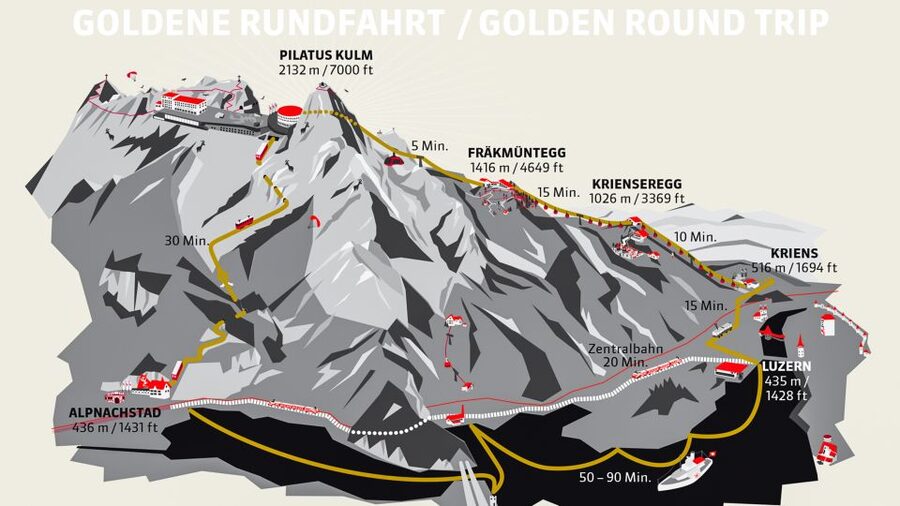
Your first lift is on the panorama gondola between Kriens and Fräkmüntegg, with a mid-stop at Krienseregg. The ride to Krienseregg takes about 15 minutes, and it’s a good soft start: you’re going up, but not sprinting into the mountain all at once.
Krienseregg is a nice place to reset. There’s a terrace at Restaurant Krienseregg (at your own expense), and there’s also the Pilu Land playground where kids can burn energy while adults get their first real look out over the region. Even if you’re traveling without children, you’ll appreciate the breathing room. You’re not just passing through—you’re getting a small “arrival moment.”
The main consideration here is weather and timing. On clear days, you’ll want to take your photos fast and then slow down. On misty days, you might feel tempted to rush to the summit. I’d still take a breather at Krienseregg, because fog can lift in stages, and you’ll lose less time if you handle the day calmly.
Fräkmüntegg to Pilatus Kulm: cableway Dragon Ride to the summit
Next comes the second gondola stage: about 15 minutes from Krienseregg to Fräkmüntegg. Fräkmüntegg is another practical pause point with options at your own expense. If you want action, there’s a rope park where you can test your agility. If you want simple, there’s a self-service restaurant for a quick bite.
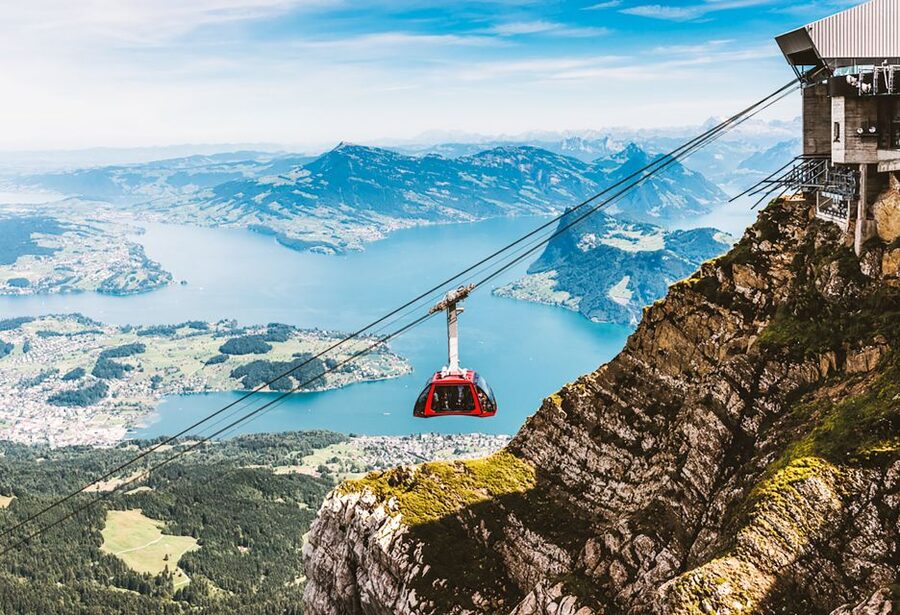
Then you change into the aerial cableway called Dragon Ride. The ride is only about 5 minutes, but it has a real sense of theater. The cabins have a spacious, cockpit-like feel with large windows, so the whole moment plays like a short helicopter flight across the mountain.
This is also where the trip’s “views from many angles” promise really shows. You’re not just looking up at a destination—you’re watching the terrain build beneath you. If you’re the kind of person who gets tired of one long ride and one single viewpoint, Dragon Ride helps keep the experience varied.
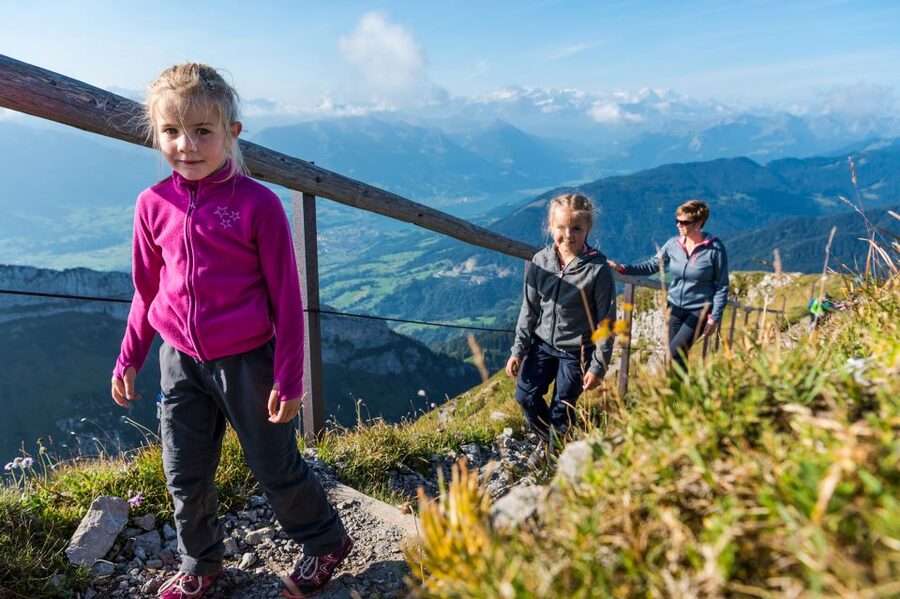
At the top, you’re at Pilatus Kulm. From there, you can go to the panoramic gallery, relax on a terrace, climb nearby peaks that take about 5–10 minutes, or use your time to explore hiking routes on the Dragon Mountain area above Lucerne. There are also restaurants at Hotel Bellevue and Hotel Pilatus for local specialties (own expenses).
Pilatus Kulm time: choose your pace when the weather cooperates
Pilatus Kulm is the moment the whole day is built around, but it’s also the part where you’ll want to be flexible. The experience runs in almost all weather conditions, but clouds and fog can change what you see. That’s not a reason to cancel—just a reason to plan your time with patience.
If you like panoramic viewpoints and minimal effort, start in the panoramic gallery. If you want a quick payoff, take one of the short peak walks (those 5–10 minutes can lead to a different angle of the Lake Lucerne spread and the Swiss Alps beyond).
When visibility is great, you’ll notice how the views change as your position shifts. It’s one mountain, but it looks different from inside the gallery, from terraces, and from higher points. When visibility is poor, the top can still feel special, because you get that slow reveal—then suddenly you’re looking out and everything snaps into focus.
One practical reminder: because your return includes the cogwheel train and a limited-departure boat, staying too long can be risky. I’d aim for a balanced plan: give yourself enough summit time to enjoy the views, but keep your return connection in mind.
The steepest ride down: cogwheel railway to Alpnachstad
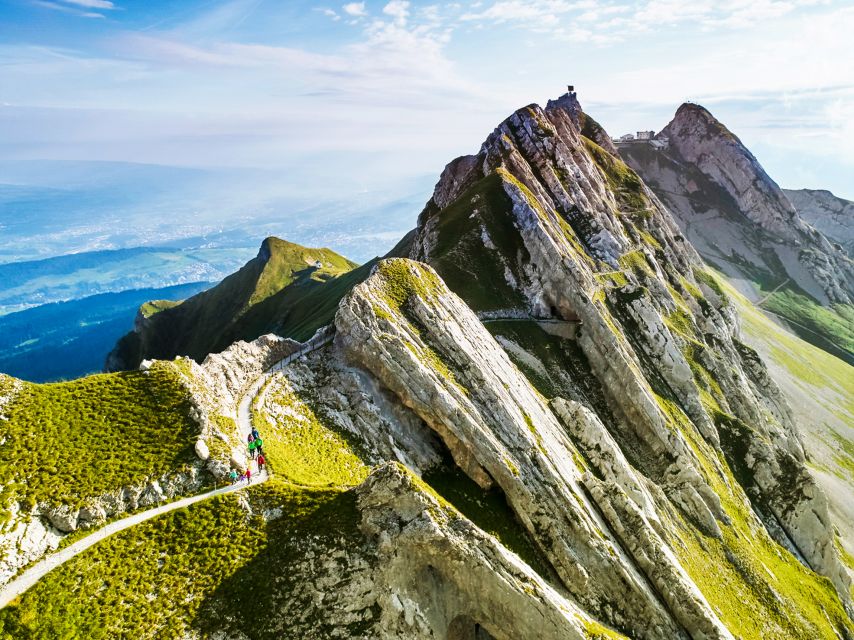
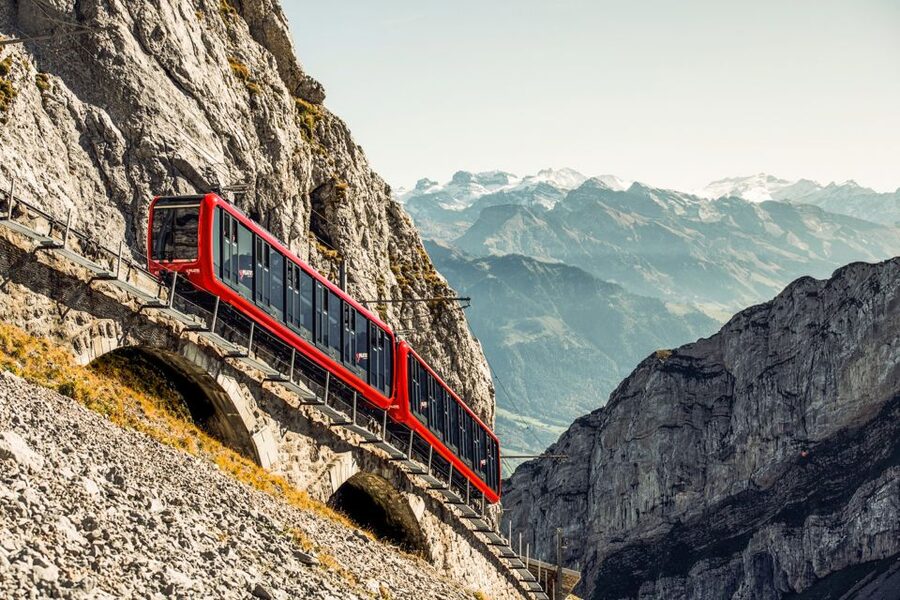
After you’ve had your fill on top, the world’s steepest cogwheel railway brings you down from Pilatus Kulm to Alpnachstad. This section matters because it’s not a mild “scenic train.” It’s dramatic by design. The line goes through rock faces, streams, and alpine meadows, and it was built in 1889, so you’re riding an old-school piece of engineering that still works wonderfully.
One practical tip: consider a seat reservation for the cogwheel train to avoid long waiting times. The recommended reservation process is at www.pilatus.ch/reservation. When demand is high, waiting can eat into your momentum, and you need that momentum for the boat connection later.
Also plan how you’ll handle photos. In the cogwheel train you may find some views best from windows facing the right direction, and seats can get occupied quickly if you’re delayed. If photos matter to you, early arrival to the platform is worth the effort.
Once you reach Alpnachstad, it’s easy to transition. You pass under the street and you’re at the cruise landing stage. That short, simple transfer is a big part of why this route feels smooth overall.
Lake Lucerne cruise back to Lucerne: the 1-hour payoff
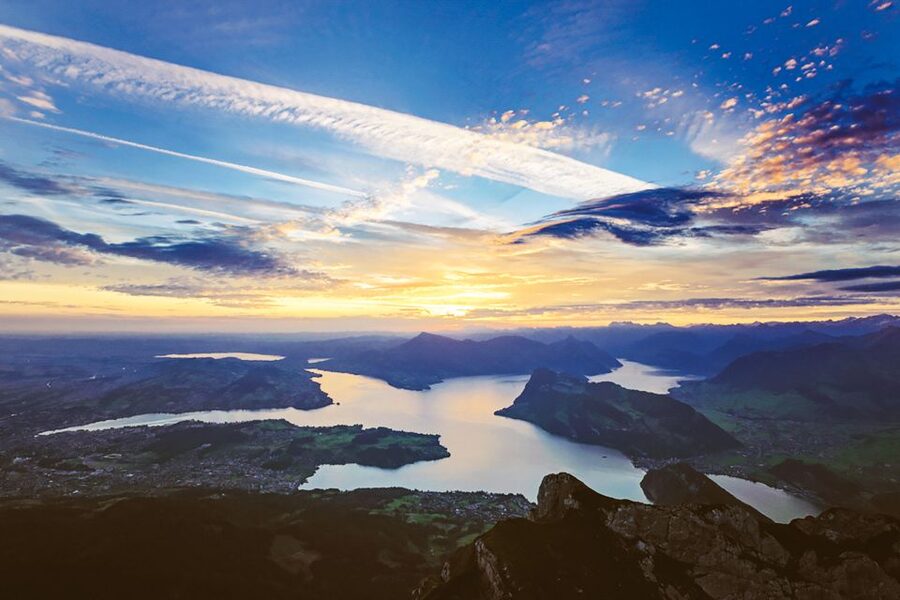
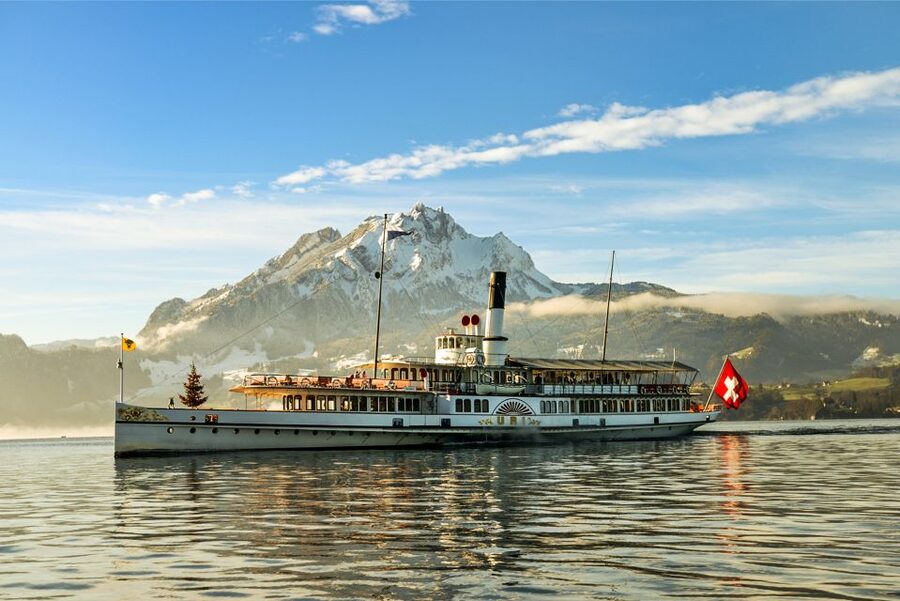
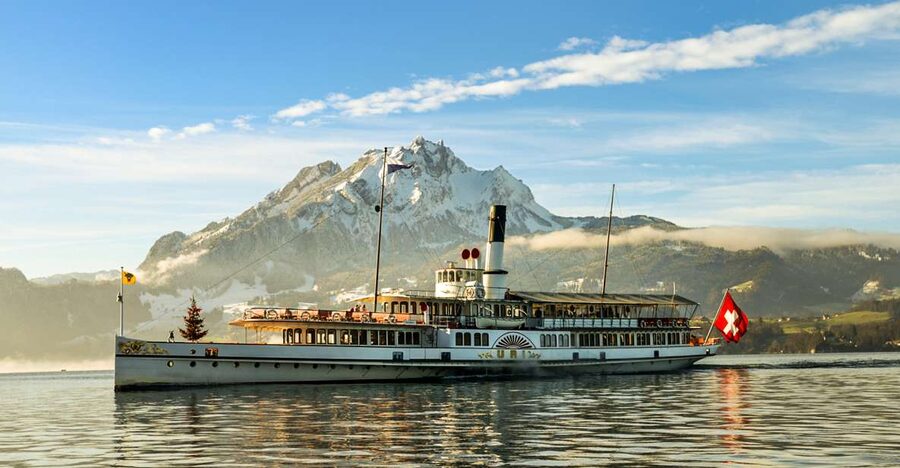
Then comes the one-hour boat trip on Lake Lucerne, from Alpnachstad back to Lucerne. This is where you get the wide perspective you can’t replicate from rails or cableways. The lake stretches out, the mountain slopes frame the water, and you get time to sit down after a day of moving uphill.
Boat schedules are the key logistics factor. There are only 2–5 boat departures per day, so your return isn’t just “whenever you feel ready.” That’s why it’s smart to check the timetable carefully before you commit your day. If you want the most control, start the day early enough that you’re not rushing at the end.
When the weather is clear, the cruise feels like the day’s big finishing frame. When the weather is mixed, it still works because you’re watching the landscape change with the light and the conditions on the water.
At the end, you return near the Lucerne station, back where you started. You don’t need to solve extra transit puzzles—just follow the flow from boat landing to your next step.
Going the other direction: reverse Golden Round logic
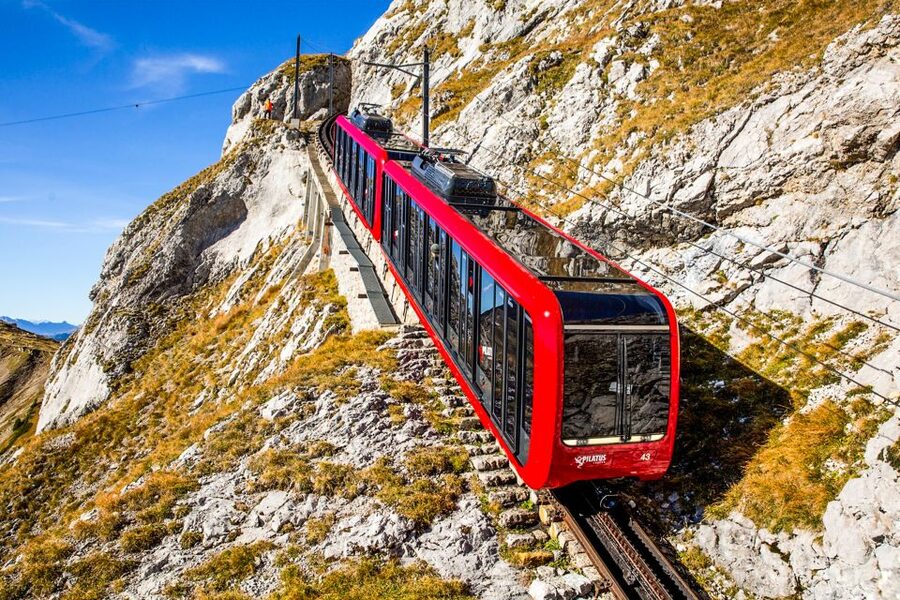
You can take the Golden Round in reverse too. That means you can start with the boat from Lucerne, then work your way up to Pilatus and down again. This can be smart if you prefer to lock in the boat first, especially because the boat has fewer daily departures than the mountain rides.
If you’re choosing between directions, use one simple rule: start with the part that has the fewest options. In this case, that’s the boat. The gondola and cableway operate more frequently, but the lake cruise can be the schedule bottleneck.
Either way, the same core idea holds: multiple transport modes without a tour guide, with time for you to stop and look as much as you want at the right spots.
Price and value for $141: what you’re really paying for
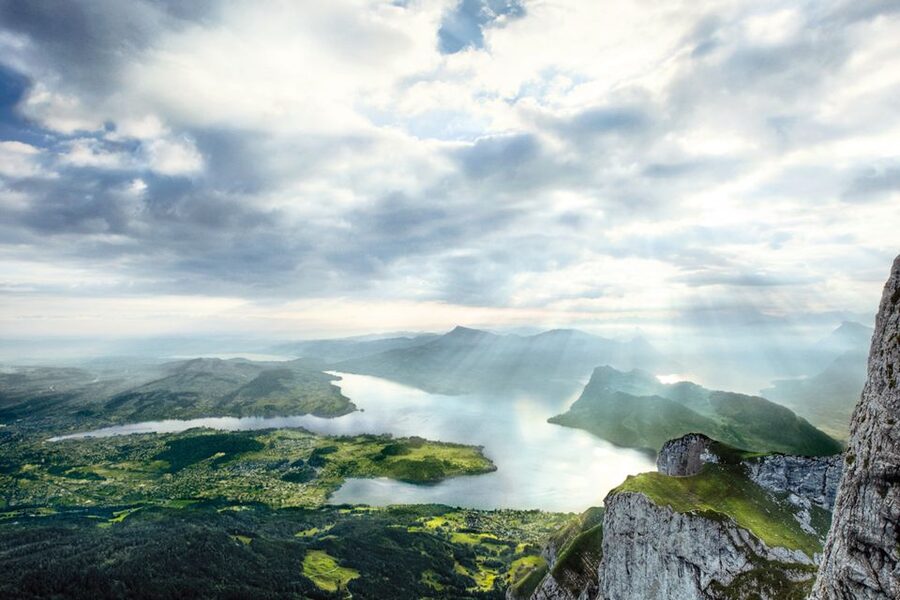
At about $141 per person, you’re paying for a bundle of transportation that’s hard to recreate on your own without a lot of planning. You’re covering the bus transfer between Lucerne and Kriens, a panorama gondola ride, an aerial cableway ride, a steep cogwheel train segment, and the Lake Lucerne cruise.
So the value isn’t in a single wow moment. It’s in the stacking of wow moments across different modes. If you only ride the gondola or only go up to Pilatus and take one ride back, you miss the variety that makes the day feel full. This route is designed to give you that variety efficiently.
It’s also good value if you’re self-guiding. You get to move at your pace without paying for a guide. That can matter more than people think, because mountain weather changes and everyone wants slightly different summit time.
The main “cost” isn’t the money—it’s attention. You’ll need to read instructions, manage connection times, and stay aware of the boat schedule. If you handle that, the price feels fair for what you get: a full set of transport highlights in one half-day loop.
Who this is best for (and when to think twice)
This fits families well. You get Pilu Land at Krienseregg for kids, and optional activities like the rope park (and possibly the toboggan run at the lower stop areas) for extra fun at your own expense. Kids often love having a day that’s part ride, part playground, part summit.
It also works for couples and solo travelers who like independence. You’re not waiting for a group, and you can linger on the terrace or shift between indoor gallery viewing and outdoor peaks. If you want to avoid a “tour lecture” style day, this is a strong pick.
Where you might pause is if you hate schedules. This is self-guided, so if you want a fully managed day, you may feel it’s too much to think about. Also, if you’re extremely focused on one single peak viewpoint and don’t care about trains and boats, you might prefer a simpler plan.
Finally, if you’re traveling on a peak day and the cogwheel area is crowded, waiting can happen. That’s another reason the reservation recommendation and early start are worth it.
Small practical tips that make the day easier
A few things help you avoid the most common frustrations:
- Start early so you’re not scrambling for the boat connection later.
- Reserve for the cogwheel train if you want to cut down waiting risk.
- Check the boat timetable carefully since there are only a few departures per day.
- Follow the route instructions tightly—the day works best when you move in the planned order.
- Plan for optional spending at Krienseregg and Fräkmüntegg (food, rope park, and other activities), since those are not included.
If you’re flexible on summit time, Pilatus delivers better. If you lock into a rushed plan, you’ll feel it more on the return leg.
Should you book the Lucerne to Mt. Pilatus Golden Round?
I think it’s a yes for most first-timers to the Lucerne region who want the big mountain experience without adding extra hassle. The combination of gondola views, the helicopter-like Dragon Ride, the steep cogwheel railway, and the lake cruise creates a day that feels like more than the sum of its parts.
Book it if you’re comfortable managing timing on your own and you’re willing to check the boat schedule. Skip it or consider a different plan if you want a totally hands-off guided day or you know you’ll struggle with connection changes.
If you get the basics right—especially the boat timing and the summit window—you’ll come away feeling like you saw Lucerne from water, from the mountains, and from a train that deserves its reputation.