REVIEW · VENICE
One-Day Venice: Skip-the-Line St. Mark’s Basilica, Walk & Gondola
Book on Viator →Operated by Insidecom srl · Bookable on Viator
Skip the basilica line, then glide by.
This Venice combo gives you a morning guided loop around Piazza San Marco and nearby sights, plus skip-the-line entry to St. Mark’s Basilica. I like the simple logic of the plan: get your bearings fast with a guide, then slow down with a gondola ride. I also like that you’re not stuck in long entry lines, and you get guided context for what you’re seeing inside the church. One consideration: the tour can be affected by events and timing, including possible changes if access is limited or if the gondola can’t run.
You’ll start at Calle larga de l’Ascension near central Venice, with the walking part handled by an English-speaking team. Some groups use headsets so you can keep up while the group moves along canal-side lanes and small campi. And remember: this basilica visit covers the ground floor only, so plan your expectations if you were hoping for the museum or terrace.
In This Review
- Quick hits before you go
- Piazza San Marco morning: how the walk actually helps
- Grand Canal context: Venice’s main divide
- Inside St. Mark’s Basilica: skip-the-line, ground-floor reality
- What the guides tend to do well here
- Beyond St. Mark’s: La Fenice and the medieval church circuit
- Gondola ride: romantic, but plan for no commentary
- Guide quality, group size, and the handoff challenge
- Timing and value: is $139.38 a fair deal?
- Weather, tides, and religious events: when your plan changes
- Who this tour is best for (and who should think twice)
- Should you book this Venice combo?
- FAQ
- What time does the tour start, and how long is it?
- Where do I meet for the tour?
- Does this tour include skip-the-line access to St. Mark’s Basilica?
- What parts of St. Mark’s Basilica are included?
- Is there commentary or a guide speaking during the gondola ride?
- What happens if gondolas are suspended due to bad weather?
- What should I wear to enter St. Mark’s Basilica?
- How are groups handled on gondolas?
- Is there an extra access fee to Venice on some dates?
- Can I cancel, and do I get a full refund?
Quick hits before you go
- Skip-the-line St. Mark’s Basilica access helps you spend less time waiting and more time looking.
- Guides with strong storytelling have included Silvanna, Elizabeth, Rosanna, Gina, Mark, and Veronica (English levels vary by guide).
- Gondola rides are typically quiet since commentary during the boat is not provided.
- You’ll cover more than one icon: St. Mark’s area, plus stops around La Fenice and major medieval churches.
- Gondola logistics are real: boats hold up to 5, so groups can split.
- The tour is ground-floor focused inside St. Mark’s, with museum/terrace and special art pieces not included.
Piazza San Marco morning: how the walk actually helps
The value of this tour is how it structures your first hours in Venice. You begin in the St. Mark’s zone, where everything is close but it can still feel confusing at first. The guide leads you through the famous piazza and the surrounding lanes, and you get enough context to tell the difference between what looks similar at a glance.
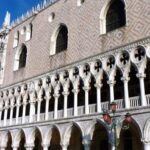
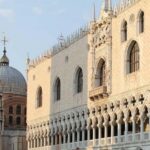
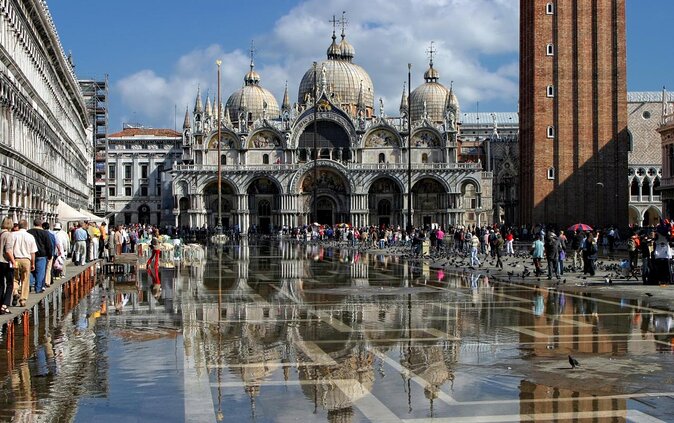
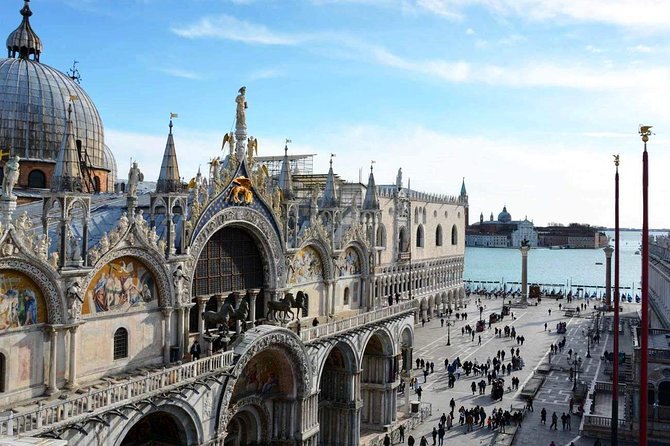
Piazza San Marco is the big show in Venice. It’s called a piazza, not a campo like many other squares. Your walk keeps you oriented to why St. Mark’s matters so much: it’s not just a pretty backdrop, it’s the architectural anchor of the city center. The tour also uses the area’s layout to your advantage. You’ll move past key buildings and viewpoints so you understand the geography, not just the landmarks.
A smart detail in the schedule is that the tour doesn’t stop at one icon. It threads in other central sights like Gran Teatro La Fenice (Venice’s major opera house) in the San Marco district. Even if you never buy an opera ticket, it helps to connect what you see today with how Venice used music, status, and spectacle as part of daily life.
You can also read our reviews of more tours and experiences in Venice.
Grand Canal context: Venice’s main divide
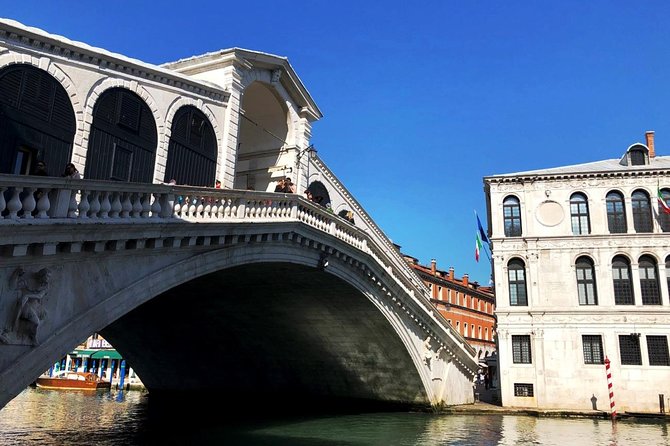
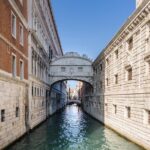
One of the stops sets you up for a big-picture view: the Grand Canal, the main artery that cuts the historic center into two halves. It runs for about 3,800 meters in an inverted S shape, from Ponte della Libertà to the Bacino di San Marco. That sounds like map trivia, but it matters because it changes how you read everything else.
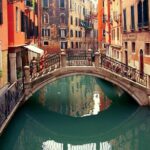
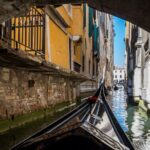
Once you understand that shape, you get more from the day. You start noticing how bridges, squares, and churches sit along those routes and why the city feels like linked islands rather than one grid. It also makes your gondola ride feel less random: you’re gliding through the same canal logic you just learned about.
Inside St. Mark’s Basilica: skip-the-line, ground-floor reality
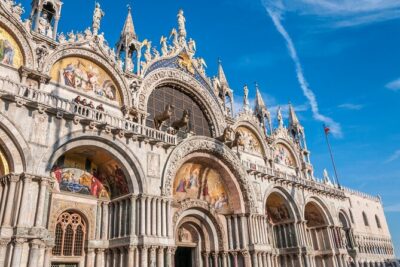
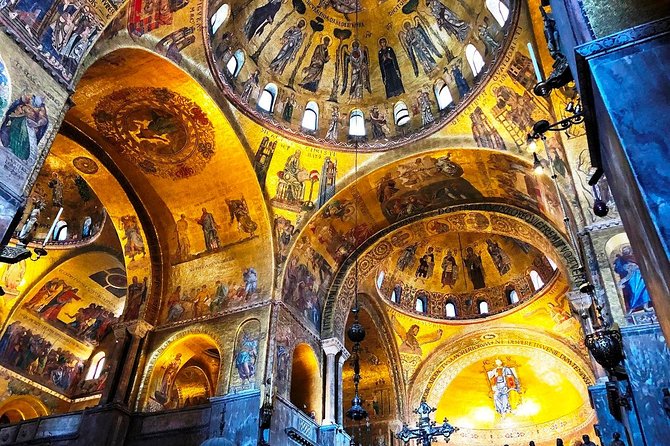
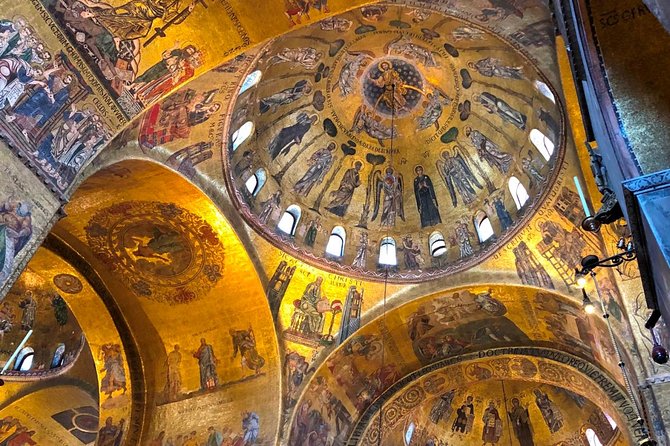
St. Mark’s Basilica is the kind of place where your eyes keep moving. It’s described as a blend of Byzantine and Gothic art, and it truly feels like two worlds layered into one building. As you enter, you’ll get a guided look at the church’s role as the cathedral church and seat of the patriarchate of Venice. Then you’ll connect St. Mark’s to the wider symbol set of the city: St. Mark’s Square and the bell tower as a unified landmark complex.
Here’s the practical part you need to know before you go: this tour covers the ground floor only. The museum access and the terrace aren’t included. Entry to the Treasure and Pala d’Oro isn’t included either. So if your dream version of St. Mark’s includes those premium add-ons, you’ll need a separate ticket or a different tour format.
Also watch for the entry restrictions. For St. Mark’s Basilica you must dress appropriately—no shorts, no vests, and no tops that don’t meet the church’s expectations. Backpacks aren’t allowed for safety reasons. That’s worth preparing for early, because the last thing you want is to rummage around in a crowded entrance area trying to comply.
One more thing: on days with religious ceremonies or unusually high tides, access may not be permitted. If that happens, it can affect your basilica segment. You should also be ready for timing shifts on a combined tour where the gondola may not start immediately after the church visit.
What the guides tend to do well here
When a good guide is assigned, the basilica visit goes beyond sight-seeing. Guides such as Gina and Mark have been mentioned for bringing the interior’s art and Christian symbolism to life. Other guides—like Veronica—have been praised for communicating clearly during the surrounding walking portion. On the flip side, English ability can be uneven with different basilica guides, so if language clarity is a top priority for you, go in with the expectation that it may depend on who’s scheduled that day.
Beyond St. Mark’s: La Fenice and the medieval church circuit
This isn’t only a one-building day. The tour moves through the St. Mark’s area and then threads into other major churches and historic spaces.
Gran Teatro La Fenice is one of the most important opera houses in Venice, and it has a history of being destroyed and rebuilt. Even if you only glimpse the exterior from the street, it’s a useful stop because it explains why Venice treats culture as a public identity. The tour also points out how La Fenice holds major seasons and events, like the traditional New Year’s Concert.
Then you’ll head toward the Basilica of Saints John and Paul, one of Venice’s impressive medieval religious buildings. This church is often treated like a pantheon because it holds the burials of Venetian doges and other notable figures going back to the 13th century. That gives you a different angle on what you’re seeing. It’s not just a church—it’s a political memory space in stone. It was elevated to the dignity of a minor basilica by Pope Pius XI in September 1922.
From there, Santa Maria Formosa (the Church of the Purification of Mary) rounds out the religious stop list. The church sits on the edge of the San Marco district, and the adjacent Campo Santa Maria Formosa is one of the largest squares in Venice. The tour framing here helps you understand how Venetian squares work: it’s not just a plaza, it’s an island-like pocket bounded by canals (Santa Maria Formosa, Pestrin, San Giovanni Laterano, and Mondo Novo).
If you like connecting dots—art, religion, power, and city planning—this stretch is where the tour earns its keep.
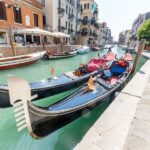
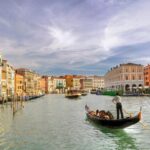
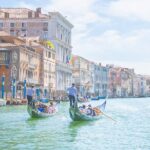
Gondola ride: romantic, but plan for no commentary
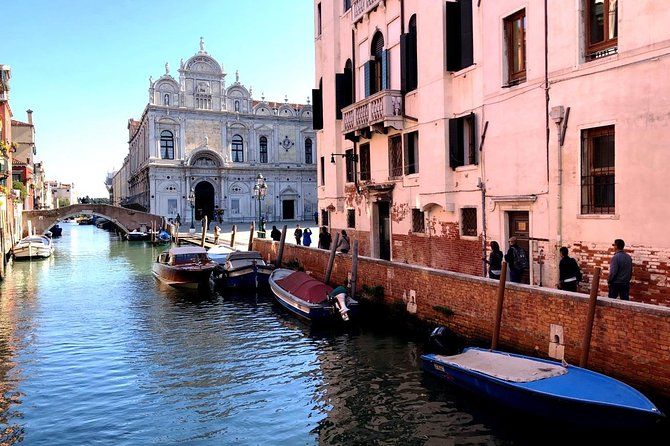
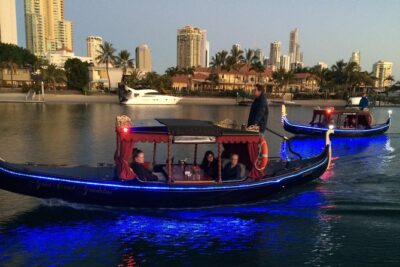
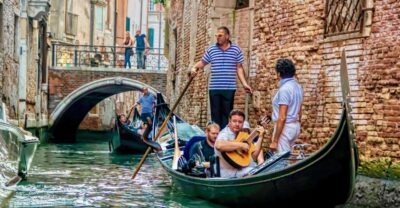
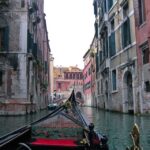
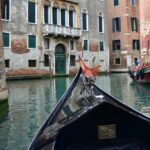
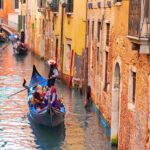
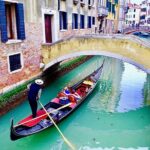
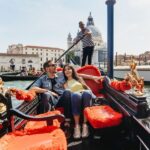
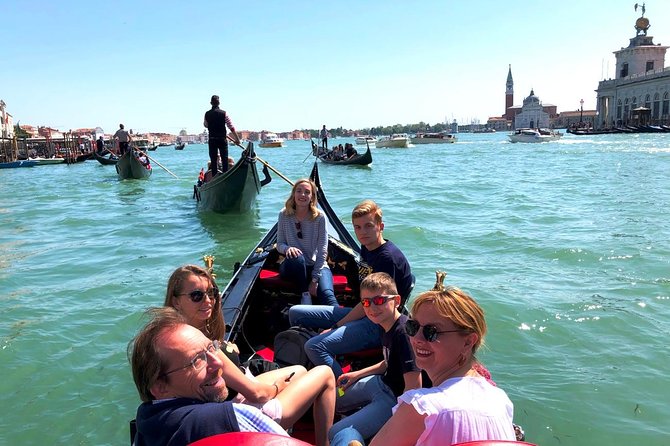
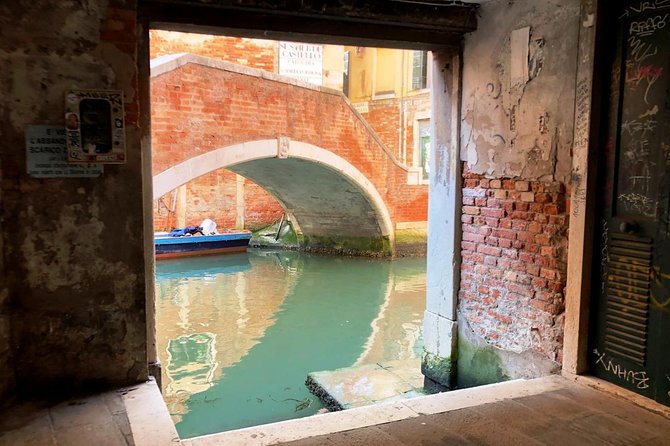
The gondola is the easy win on paper: a romantic ride through the canal city after a structured morning walk. The gondola segment is included, but there’s an important expectation to set. There’s no commentary during the boat ride. So you’re basically relying on what you can see and the pilot’s driving skill—not a guided narrative.
Some groups found the ride short or less special when it’s just a loop with little to talk about. Others liked the motion and the perspective, especially after the historical stops. Either way, it’s a good pacing change. Venice can feel like nonstop architecture, so sitting on the water for a while resets your brain.
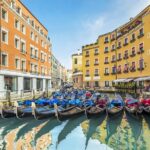
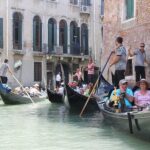
Logistics matter, too. A gondola can host up to 5 people. If your reservation is larger than that, you’ll be divided into smaller gondolas, and the group can split. It’s also possible the gondola ride won’t start instantly after the basilica visit, since the day combines multiple activities and other groups may be cycling through.
Weather can also intervene. The gondola ride might be suspended in bad weather. If that’s the case, you’re expected to go to the tour departure point so staff can confirm whether it runs and what alternatives are available.
Guide quality, group size, and the handoff challenge
This tour runs as a collective experience. That means you’ll likely be sharing the walking part and/or logistics with other people, and you may experience handoffs between guides for different segments.
Here’s what to do to reduce stress: show up early, and keep your eyes on the correct group at each transition. The tour asks you to arrive at the meeting point at least 10 minutes early. For a combined tour, that buffer is your insurance policy.
Some people reported disorganization with getting sorted into the right groups at the start, and they also reported confusion when moving between the walking, gondola, and basilica segments—especially when weather, flooding, religious ceremonies, or timing changes came into play. In a worst-case scenario, the basilica or gondola segment was missing due to internal scheduling breakdowns and poor communication.
So I’ll give you a practical rule: keep a close watch on time and check in with staff at the meeting point if anything feels off. If a guide is hard to find, don’t just wait and hope. Ask clearly where the correct group meets for the next leg.
Timing and value: is $139.38 a fair deal?
At $139.38 per person for about 4 hours 30 minutes, this is not a budget “only see the highlights” option. But it can feel like good value if two things go right: the skip-the-line entry works as promised, and the guides deliver solid explanation during the walk and inside St. Mark’s.
Why the price can make sense:
- Skip-the-line access to a major site reduces one of the biggest time drains in Venice.
- You’re getting a guided church visit (not just an entrance ticket).
- You also get a gondola ride included, which is often priced separately.
Where value can slip:
- The gondola ride isn’t paired with commentary, so the experience depends more on what you see.
- You don’t get the museum or terrace, and some special areas like the Treasure and Pala d’Oro aren’t included.
- If a segment gets delayed or altered due to weather, tides, ceremonies, or internal logistics, the overall “package” effect can weaken.
My take: this is worth considering if you want a guided morning plan plus one classic Venice water moment, and you’re okay with the basilica being ground-floor only. If you’re a St. Mark’s superfan who wants museum/terrace add-ons, you may get better value with a plan that lets you choose those elements separately.
Weather, tides, and religious events: when your plan changes
Venice runs on schedules, but also on water. Access to St. Mark’s Basilica may not be permitted during religious ceremonies or in exceptionally high tides. And the gondola can be suspended in bad weather.
That affects you in two ways:
- Your timeline might shift between the church and boat segments.
- You might need flexibility about where you’re standing and when you’re expected to re-group.
The tour is built to be collective and dynamic, but that means you should be ready for updates on the ground. At the same time, not all on-the-day communication is equally smooth. If you’re traveling on a tight schedule, build in breathing room for this morning plan.
Who this tour is best for (and who should think twice)
This tour fits best if you:
- Want a structured morning to learn your way around the St. Mark’s area.
- Appreciate guided context for big art-and-religion sites.
- Want one gondola ride without having to plan everything yourself.
It may be less ideal if you:
- Are traveling as a very language-sensitive group and need consistently strong English during the basilica portion.
- Want the basilica museum, terrace, Treasure, or Pala d’Oro included.
- Are the type who hates uncertainty. The tour can change in response to weather, tides, and ceremonies.
If you’re traveling with kids, older teens usually handle the guided segments better, since the walking and basilica time can be long for little attention spans. For younger children, the gondola is the part they’ll likely love most.
Should you book this Venice combo?
I’d book it if you want an organized St. Mark’s morning plus a gondola ride, and you’re comfortable with the basilica being ground-floor only. The skip-the-line angle is the big selling point, and when the guides are strong, you’ll leave with more understanding than you’d get from wandering alone.
But don’t book it blindly if you have a hard deadline later in the day or you can’t handle schedule changes. If you’re unlucky with timing, weather, or guide assignment, the package effect can break. If you do book, show up early at Calle larga de l’Ascension, keep your schedule flexible, and be ready to ask staff for the exact next meeting point if transitions feel chaotic.
FAQ
What time does the tour start, and how long is it?
The tour starts at 9:00 am and runs about 4 hours 30 minutes.
Where do I meet for the tour?
Meet at Calle larga de l’Ascension, 30124 Venezia VE, Italy. The tour ends back at the meeting point.
Does this tour include skip-the-line access to St. Mark’s Basilica?
Yes. You get skip the line access and a guided visit to St. Mark’s Basilica.
What parts of St. Mark’s Basilica are included?
This tour covers the ground floor only. The museum and terrace are not included, and entry to the Treasure and the Pala d’Oro is not included.
Is there commentary or a guide speaking during the gondola ride?
No. Commentary during the gondola ride is not provided.
What happens if gondolas are suspended due to bad weather?
If the gondola ride is suspended, you’re required to go to the tour departure point to find out whether the tour takes place and what alternative arrangements are available.
What should I wear to enter St. Mark’s Basilica?
Dress appropriately: no shorts, no vests, and no tops. Backpacks are also not allowed for safety reasons.
How are groups handled on gondolas?
A gondola can host up to 5 people. If your reservation includes more than 5 people, the group is divided into smaller groups and you’ll use different gondolas.
Is there an extra access fee to Venice on some dates?
On certain dates, travelers staying outside of Venice who are visiting for the day may need to pay up to 10 € access fee. Exemptions and applicable days are listed on https://cda.ve.it
Can I cancel, and do I get a full refund?
Yes. You can cancel for a full refund if you cancel at least 24 hours before the experience’s start time.