REVIEW · VENICE
Welcome to Venice Group Tour St. Mark’s Basilica & Gondola Ride
Book on Viator →Operated by Walks - Italy & Spain · Bookable on Viator
Venice can feel like a puzzle at first. This tour pieces together major sights plus off-the-beaten-path streets, and it does it in a tight 3-hour loop with a gondola ride that’s easy to fit into a short stay. I especially like the fast orientation in neighborhoods like Castello and the fact that St. Mark’s Basilica entry is handled with pre-reserved access. One drawback: it’s still a walking tour with lots of steps, so plan for sore feet.
You’ll start near Rialto and end in St. Mark’s Square, with a guide who keeps the stories moving while you navigate Venice’s maze of alleys. Along the way, you’ll stop at places that feel like Venice beyond the postcard version, including the famous flooded-book “Acqua alta” stop and a quieter gondola pickup point. Bring a daypack, not a big bag, and bring the right ID—basilica security can be strict.
If you want a practical first day in Venice without juggling tickets and meeting points, this hits the sweet spot.
In This Review
- Key things to know before you go
- Why this 3-hour Venice mix feels like a smart first day
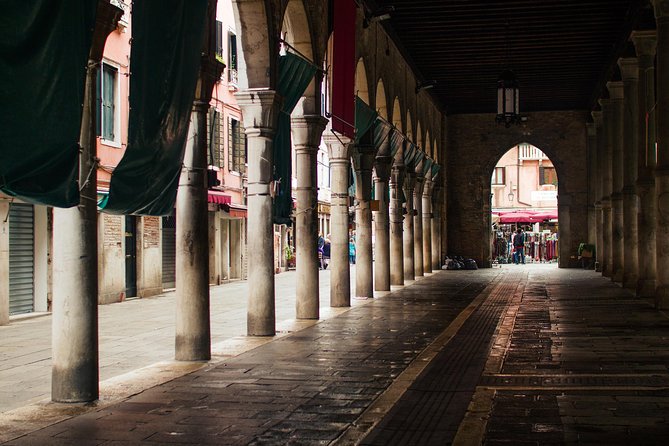
- Start by the Rialto Bridge: Mercati di Rialto and the fish-market lore
- Castello on foot: hidden alley energy, Verocchio details, real island life
- The quick mansion pause: a moment of power behind the scenery
- Libreria Acqua alta: the bookstore where water becomes part of the joke
- St. Mark’s Basilica without the line headaches: mosaics, relics, and how East meets West
- Bacino Orseolo gondola ride: small-group comfort on calmer canals
- Pacing, group size, and what to pack for Venice feet
- Value check: why $81.02 can work for first-timers
- Who this tour suits best (and who might prefer something else)
- Should you book this Venice Group Tour St. Mark’s & Gondola Ride?
- FAQ
- Where does the tour start and where does it end?
- How long is the walking and gondola portion?
- Is St. Mark’s Basilica admission included and does it skip the line?
- Do I need photo ID for St. Mark’s Basilica?
- What happens if the Rialto Fish Market is closed or if there’s bad weather?
- Can I bring large bags, trolleys, or a backpack?
Key things to know before you go
- Max 20 people on the walking portion keeps the pace manageable and helps the guide stay organized
- Pre-reserved St. Mark’s Basilica entry helps you bypass the worst line-up times
- Gondolas are small (up to 5 people) for a more personal ride through the canals
- Rialto Fish Market is closed on Sundays, so your Rialto stop may feel slightly different
- No large bags are allowed (trolleys and backpacks won’t fit the plan)
- Flooding/heavy rain can swap the gondola for another experience
Why this 3-hour Venice mix feels like a smart first day
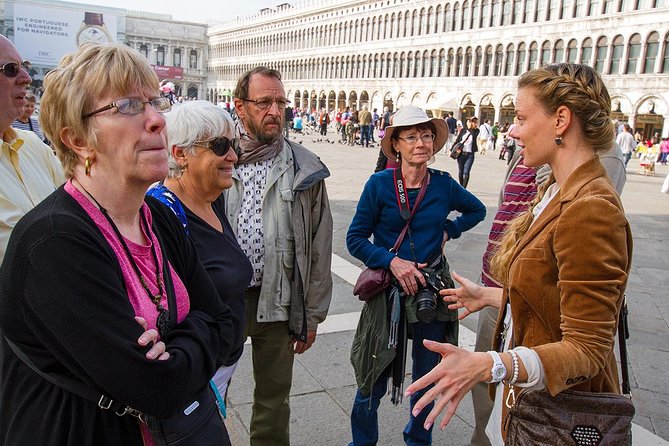
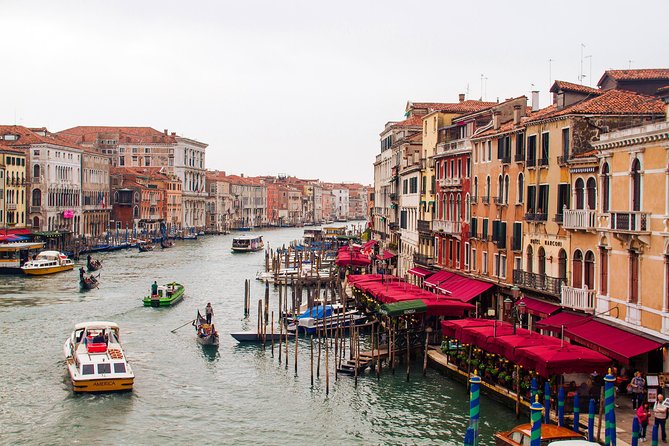
This is the kind of tour that helps you stop guessing. In just a few hours, you’ll cover a big chunk of Venice’s top sights—Rialto, St. Mark’s Basilica, and the gondola experience—while also seeing everyday corners that make the city feel lived-in. It’s a good fit if you’re short on time, but still want more than a rushed photo circuit.
The schedule also works because the stops alternate between motion and pause. You’re walking through streets that explain how Venice functions, then you sit down with guided interpretation where it matters most—especially at the basilica.
Price-wise, $81.02 isn’t just for sightseeing. You’re also getting a live guide, headsets, St. Mark’s skip-the-line entry (listed as 12€ included value), and a gondola ride ticket folded into the cost.
You can also read our reviews of more tours and experiences in Venice.
Start by the Rialto Bridge: Mercati di Rialto and the fish-market lore
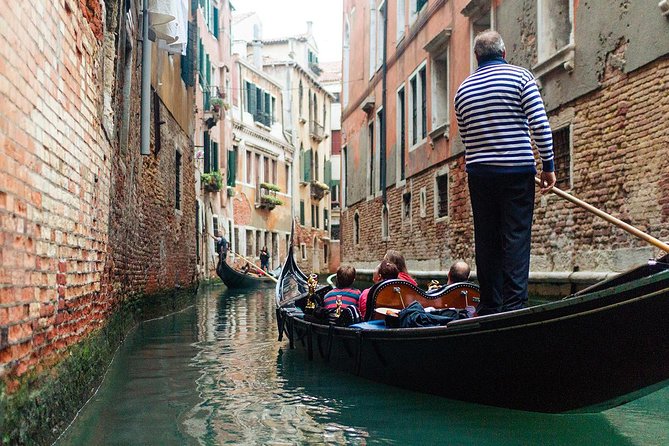
You meet at Campo S. Giacomo di Rialto, right by the Rialto Bridge area. That’s a smart start point because you begin in the commercial heart of Venice, where history is tied to real daily life: trade, food, and the constant movement of people and goods.
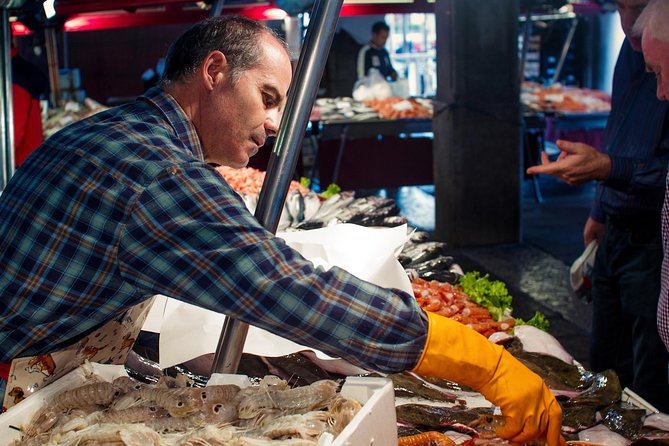
At Mercati di Rialto, you’ll get a quick look at the Rialto Fish Market and learn why the Rialto Bridge idea was controversial at first. Venice has a habit of turning engineering problems into culture, and this stop gives you that context fast. You also get practical ideas for where to eat, pulled from your guide’s local perspective.
Two notes that can change what you see. The fish market is closed on Sundays, so if your date falls on a Sunday, expect less of the market atmosphere. Also, this part is short—about 30 minutes—so arrive ready to absorb and move on.
Castello on foot: hidden alley energy, Verocchio details, real island life
From Rialto, you’ll walk to Castello, one of the most interesting areas because it feels less like a theme park and more like an actual neighborhood. The tour frames this walk as a chance to understand what life can be like on the island today, not just a sightseeing checklist.
You’ll meander through smaller lanes and squares, and you’ll get a more grounded feel for the city’s layout—tight streets, small pauses, and the way landmarks pop into view. There’s also a named artistic highlight: you’ll see a remarkable statue by Verocchio on Campo San Giovanni e Paolo.
This stop is about learning how Venice is put together and why it looks the way it does. You’ll also spot typical Venetian architectural styles as you go, which helps when you later wander on your own and start noticing patterns instead of just passing buildings.
One more thing: Castello also means walking in stair-heavy terrain. Wear shoes you trust.
The quick mansion pause: a moment of power behind the scenery
Midway through the walk, there’s a pause to admire a unique mansion that belonged to a powerful Venetian family. This is a classic Venice move: the city reveals class and influence through architecture, without needing a museum ticket.
It’s brief, but it adds a thread to what you’re learning. You’re not only seeing places where people come for photos—you’re seeing clues about wealth, politics, and how Venice built status into stone and design.
If you like street-level history, this kind of stop is exactly what makes the tour feel like a guided walk rather than a bus route with stops.
Libreria Acqua alta: the bookstore where water becomes part of the joke
Next up is Libreria Acqua alta, the quirky bookstore you’ll likely recognize from pictures. Here you get a short, guided walk that connects everyday Venice to one of its most unusual adaptations: preparing for floods by letting the environment shape how books are stored.
Your guide helps set the scene, then you’ll have a few minutes inside on your own while the guide waits outside. That free time matters because Acqua alta is one of those places where your eyes need a minute to wander. You’ll want time to look around, spot the practical setup, and soak in the canal view.
There’s also a nice sensory element that the tour description doesn’t fully capture: the bookstore’s friendly resident cats show up like unbothered mascots. It makes the stop feel human, not staged.
The timeframe is only about 10 minutes at this location, so if you want longer browsing, plan to come back later on your own.


St. Mark’s Basilica without the line headaches: mosaics, relics, and how East meets West
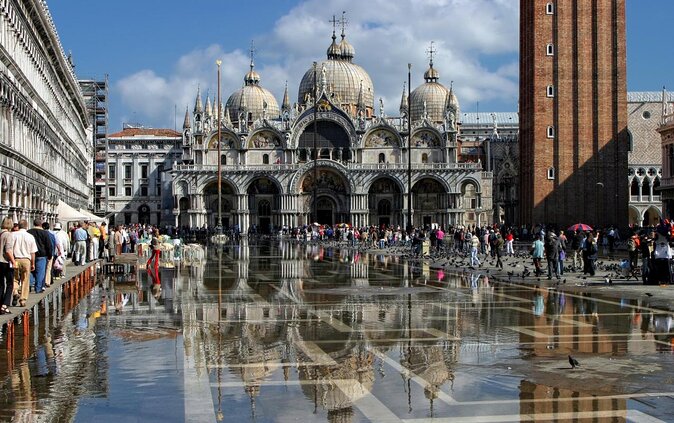
This is the centerpiece of the tour. You get skip-the-line access with pre-reserved entry, which is huge in Venice because the basilica is one of those places where queues can drain your day.
Your guide brings the basilica to life with stories tied to design and history. You’ll learn how its style blends eastern and western influences, and you’ll hear the dramatic tale of how St. Mark’s relics arrived in Venice. The big payoff is learning how to look at the gold mosaics, not just stare at them.
Time inside is about 30 minutes. That’s enough for a meaningful circuit if you follow the guide’s pacing. It’s not enough for a slow, fully detailed art-history marathon, so treat this as your foundation stop.
Dress and ID matter here. A photo ID is required for admission, and security can refuse entry if you don’t have it. Some visitors also reported that long pants and covered shoulders came up at the basilica entrance—so if you’re in shorts, bring a layer or plan to cover up if asked.
One important practical tip: arrive at the basilica portion focused. Once you’re inside, the goal is to take in the design cues your guide highlights, then later return for your personal slower version if you want.
Bacino Orseolo gondola ride: small-group comfort on calmer canals
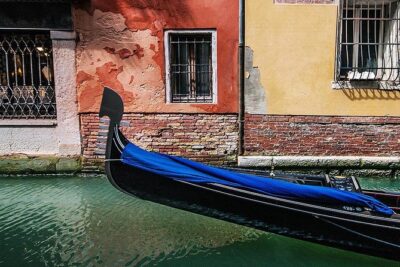
After St. Mark’s, you’ll head to Bacino Orseolo for your gondola ride. This is the romantic part that makes the tour feel like a complete Venice package rather than a walking lecture.
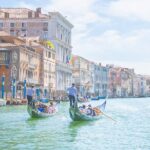
The gondola segment lasts about 30 minutes, and the tour emphasizes intimacy: each gondola is limited to only 5 people. That small size changes the feel. You’re not packed like sardines, and the ride tends to feel more relaxed and conversational.
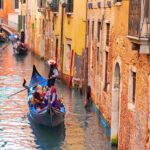
You’ll glide through quieter canals, not just the busiest postcard routes. Your guide steps away during this portion, so you’ll mostly enjoy the scenery and the motion rather than get ongoing storytelling.
A couple of balance points from real-world experience: some people found the gondola feel more like a ride than a narrated experience. If you want history and context from the water, think about pairing a gondola with a separate canal-focused guide later. Still, for most visitors, the ride itself is the emotional win.
Also, the gondola can be substituted if flooding, tides, or heavy rain disrupt operations. Venice weather can be sneaky, so it helps that the tour plans for that possibility.
Pacing, group size, and what to pack for Venice feet
The tour is built for a moderate pace on foot, but you should still expect steps and uneven surfaces. Venice isn’t stroller-friendly for most routes, and large bags are a no-go—trolleys and backpacks cannot be accommodated. A small daypack is the move.
Headsets are included, which is a big comfort upgrade when you’re walking through crowded streets. It lets you hear the guide without craning your neck or playing follow-the-leader.
Group size caps matter too. This tour runs with a maximum of 20 travelers, which keeps the walk organized and reduces the chaos factor. It also means you’re more likely to have consistent timing at the basilica.
Timing can also shift slightly in real life. The itinerary is listed around 3 hours total, and on-the-ground logistics in Venice can trim minutes from each stop. You won’t feel blindsided if you treat it as an overview tour, not a perfectly timed museum visit.
Value check: why $81.02 can work for first-timers
Here’s how I think about value for Venice tours: you’re buying your time, not just your tickets. This one bundles several expensive hassles into a single plan.
You pay $81.02, and the tour includes:
- a local English-speaking guide for the walking portion
- headset equipment
- gondola ride ticket inclusion
- pre-reserved St. Mark’s Basilica access (skip-the-line value listed as 12€)
What you get is a route that hits key landmarks plus a few stops that help you feel the city’s rhythm: Rialto market lore, Castello neighborhood insight, Acqua alta’s flood-adapted charm, and the basilica as a design-and-story masterclass.
If you were to assemble all of that on your own—guide for orientation, basilica entry planning, and gondola reservations—the total cost usually creeps up quickly. This package keeps it simple.
That said, if you’re already a confident Venice navigator and mostly want unstructured wandering, you might decide this is more guidance than you need. The strongest value is for first-time visitors or anyone who wants a curated start.
Who this tour suits best (and who might prefer something else)
This fits you if:
- you’re visiting Venice for the first time and want a guided orientation
- you have limited time and still want both top highlights and a few unusual stops
- you like stories that connect art, architecture, and everyday life
- you want the classic gondola experience without planning it separately
It might not be ideal if:
- you hate walking (even at a moderate pace), especially on stair-strewn streets
- you need a more hands-on gondola narration experience while on the boat
- you rely on large bags or mobility gear that can’t be accommodated
If you’re traveling with kids, consider that the walking can be intense. One good strategy is to bring snacks, take the breaks as needed, and make sure everyone’s comfortable with steps.
Should you book this Venice Group Tour St. Mark’s & Gondola Ride?
Book it if you want a clean, well-paced start in Venice. The combination is practical: orientation on foot, skip-the-line basilica time that teaches you how to look, then a small-group gondola that lets you enjoy the city from the water.
If you can only do one organized thing during your stay, this is a strong candidate. It saves you from ticket-line stress and from spending your first day lost in Venice’s maze while trying to guess what matters.
Just do a little prep: bring a photo ID, wear comfortable shoes, travel light with a small bag, and expect stairs.
And if weather or tides cause a gondola swap, keep a flexible mindset. Venice will do what Venice does, and this plan is built to pivot.
FAQ
Where does the tour start and where does it end?
The tour starts at Campo S. Giacomo di Rialto, 255, 30125 Venezia VE, Italy. It ends in St. Mark’s Square at Piazza San Marco, 30124 Venezia VE, Italy.
How long is the walking and gondola portion?
The total duration is about 3 hours (approximately), including the walking tour and the gondola ride.
Is St. Mark’s Basilica admission included and does it skip the line?
Yes. The tour includes admission for St. Mark’s Basilica with pre-reserved skip-the-line access.
Do I need photo ID for St. Mark’s Basilica?
Yes. A photo ID is required to visit St. Mark’s Basilica, and you can be refused entry by security staff if you don’t bring it.
What happens if the Rialto Fish Market is closed or if there’s bad weather?
The Rialto Fish Market is closed on Sundays. During times of high tides, flooding, or heavy rain, the gondola ride may be substituted for another experience.
Can I bring large bags, trolleys, or a backpack?
No. Large bags, trolleys, and backpacks cannot be accommodated on this tour.