REVIEW · VENICE
Venice: Winter Walking Tour & Romantic Gondola Ride Upgrade
Book on GetYourGuide →Operated by CITY TOURS CO LTD · Bookable on GetYourGuide
Winter Venice has a different tempo. I like how this short guided walk steers you into the real Venice—calli, campi, and the big landmarks—without feeling like a checklist. I also really like the VR “Venice Gallery” stop, which gives you a fast, visual sense of how the city looked in other eras. The one thing to keep in mind is the pacing: it’s winter, it’s mostly on foot, and there’s a noticeable gap between the walking tour and the gondola if you upgrade.
You’ll start with a live guide (Spanish, English, or Italian, and the group stays in one language) who focuses on how Venice worked: merchants, art, daily life in La Serenissima. When the guide is Anna, people consistently point to the way she ties stories together and keeps the narration moving, which matters on a walk that can feel tight and stop-start in winter streets.
If you add the gondola, the logistics are the main tradeoff. You don’t choose seats, each gondola holds up to 5, and the departure is scheduled later (for example, a 9:00 walking tour pairs with an 11:00 gondola), so plan your time around that window.
In This Review
- Key Highlights I’d Plan Around
- Winter Venice Walking Tour: Why This One Works in the Cold
- Saint Mark’s to Rialto: Calli, Campi, and the Story-Thread Route
- Scuola Grande di San Marco: From Prestige Brotherhood to Hospital
- Rialto Bridge: Mercantile Power and Winter Photo Angles
- Venice Gallery VR: A Fast Way to See the City’s Past
- Gondola Ride Upgrade: Timing Gaps and What It’s Like on the Water
- Price and Value: Is $14 a Good Deal Here?
- Logistics That Matter: App, Audio Receivers, and Line-Skipping
- Who This Tour Fits Best (and Who Should Skip It)
- Should You Book This Winter Walk and Gondola Upgrade?
- FAQ
- How long is the Venice winter walking tour?
- What does the tour include if I choose the gondola option?
- Where does the walking tour take you?
- What is the VR experience called?
- What languages are available?
- Do I need to download an app?
- Is the gondola ride private?
- Can I choose my gondola seat?
- Are pets and luggage allowed?
Key Highlights I’d Plan Around
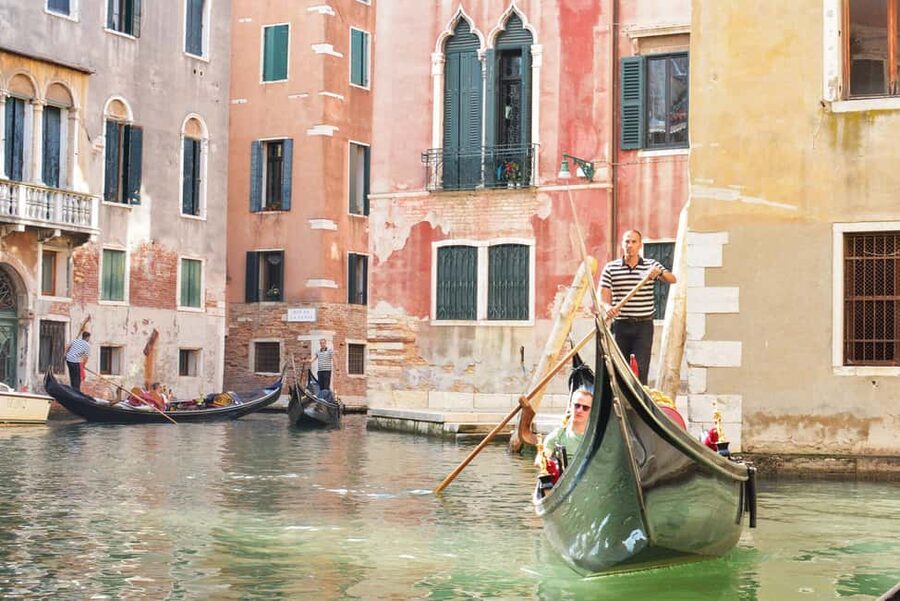
- Saint Mark’s to Rialto route with calli and campi plus major landmarks like Rialto Bridge
- Scuola Grande di San Marco façade and its surprising present-day role as a main hospital
- Venice Gallery VR that shows St. Mark’s Square changing and the Grand Canal in a different time period
- Optional 30-minute shared gondola ride with a 15-minute intro beforehand
- Small-group feel and audio support (audio receivers kick in for groups over 10)
- Photo-friendly winter light and viewpoints you can actually enjoy without a full-day crowd slog
Winter Venice Walking Tour: Why This One Works in the Cold
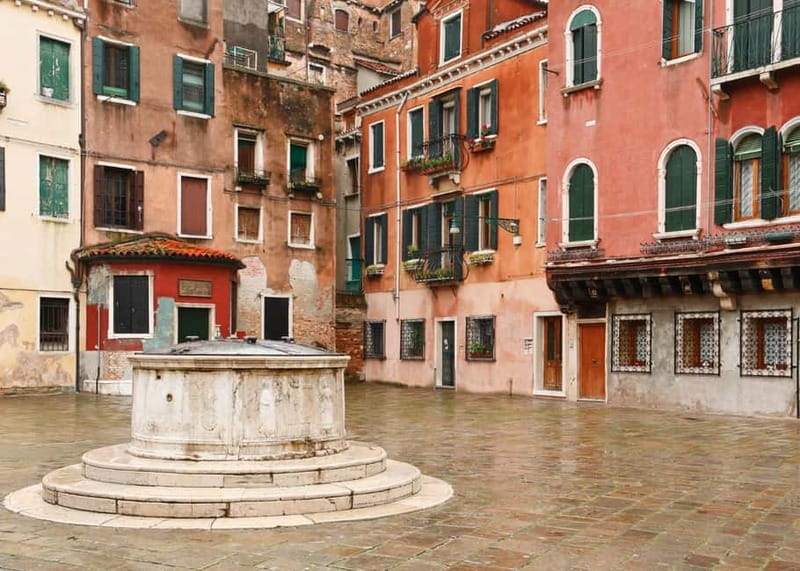
Venice in winter isn’t about long beach days. It’s about mood. The streets feel quieter, the light changes fast, and you can walk from one iconic sight to the next without the same crush you’d get in peak season. This tour is built for that season: short, focused, and guided so you don’t waste time guessing where to go next.
I also like that the route is practical. You’re moving through narrow lanes and small squares—calli and campi—rather than doing only museum-level sightseeing. And because the guide explains what you’re seeing, you get context fast. That’s especially helpful for first-timers who don’t yet know Venice’s rhythm or why the city’s layout matters.
The value here is speed without shallowness. At a starting price of $14 per person for the walking portion, you’re paying for a guide-led highlights loop plus built-in “extras” like VR. If you add the gondola, check the total at booking, but the upgrade is clearly designed as a romantic add-on rather than a separate, all-day commitment.
You can also read our reviews of more tours and experiences in Venice.
Saint Mark’s to Rialto: Calli, Campi, and the Story-Thread Route
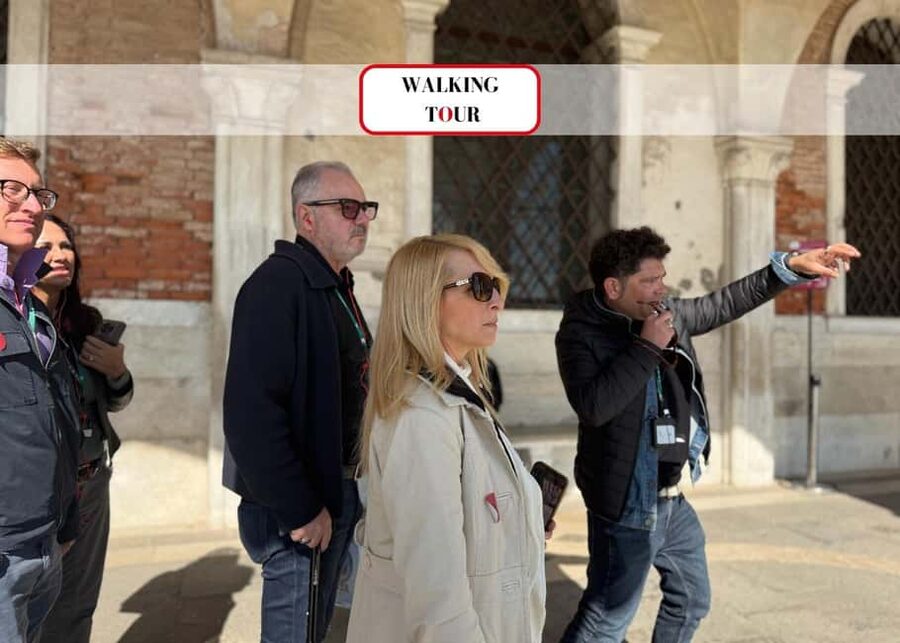
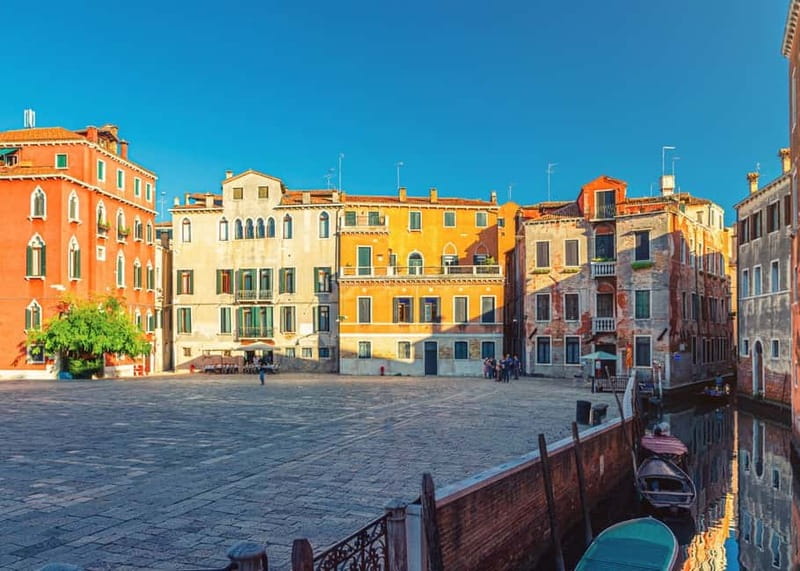
This is a guided walk through Venice’s historic center, aimed at seeing two of the city’s anchors: Saint Mark’s area and Rialto. Expect a route that mixes grand façades with quieter side spaces—so you’re not only staring at the biggest postcard spots.
On the street level, the tour focuses on how Venice operated. You’ll hear stories tied to art and merchants and how everyday life worked in La Serenissima, with the guide using the surroundings as the “prompt.” That’s how you end up with more than just photos. You start noticing details: where people would have gathered, what kinds of buildings rose there, and why certain views became important.
One thing to plan for: winter walking means you’ll want comfortable shoes and a steady pace. The tour lasts 1–2 hours for the walking portion, but the streets are narrow and the surface can vary. This isn’t a place to show up in fashion sneakers and hope for the best.
Scuola Grande di San Marco: From Prestige Brotherhood to Hospital
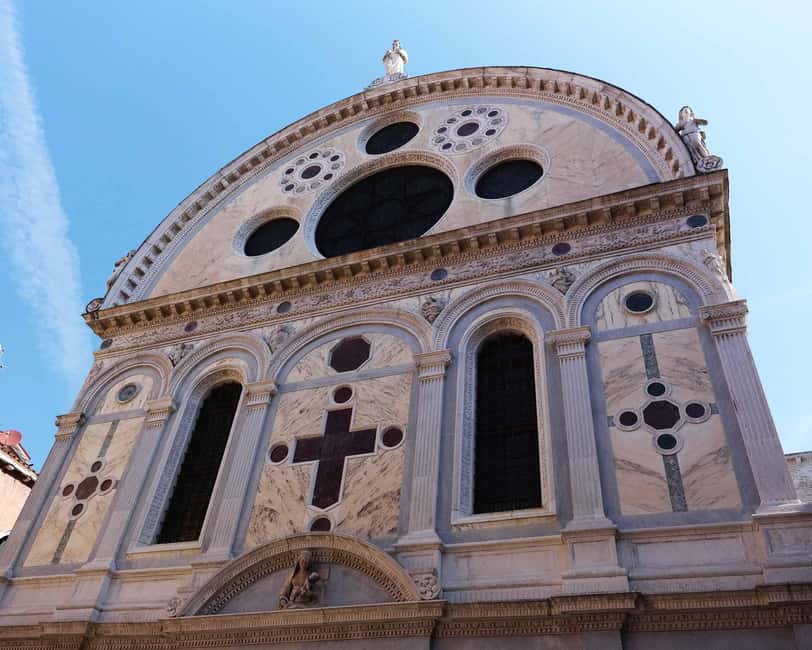
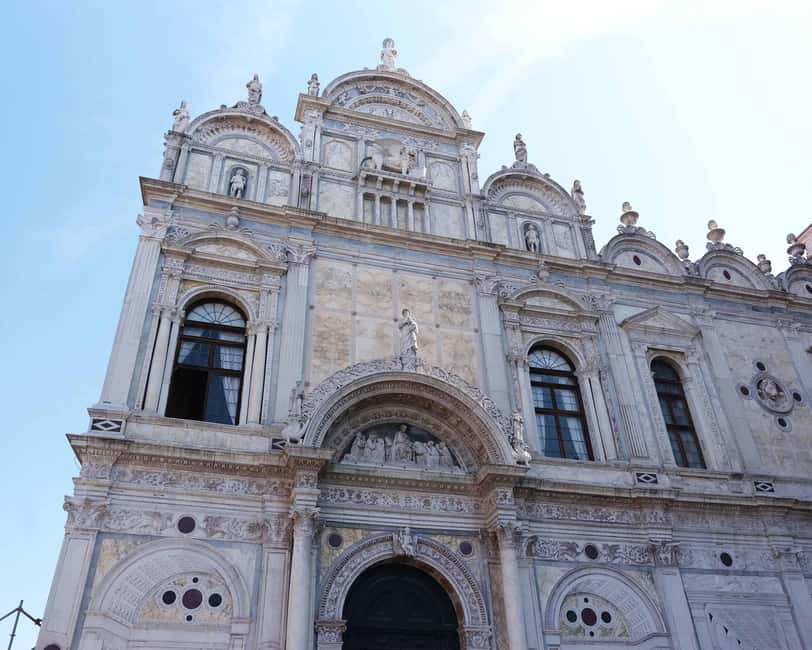
A major stop is the façade of the Scuola Grande di San Marco. Even if you don’t know the term right now, the significance is easy to grasp during the walk: this was once one of Venice’s most prestigious brotherhoods. Later, the building’s role shifted—today it’s the city’s main hospital.
That contrast is the kind of detail that makes the tour feel real. Venice didn’t freeze in time. Institutions adapted, buildings found new jobs, and the city kept functioning through change. Having this stop in the middle of your walk helps because it breaks up the experience. Instead of only chasing views, you get one clear example of how Venice’s past shows up in modern life.
Practical note: you’ll be there for the guided context, not for a long standalone attraction hour. If you’re hoping for an in-depth interior visit, this tour is not sold that way; it’s a route-with-stops format.
Rialto Bridge: Mercantile Power and Winter Photo Angles
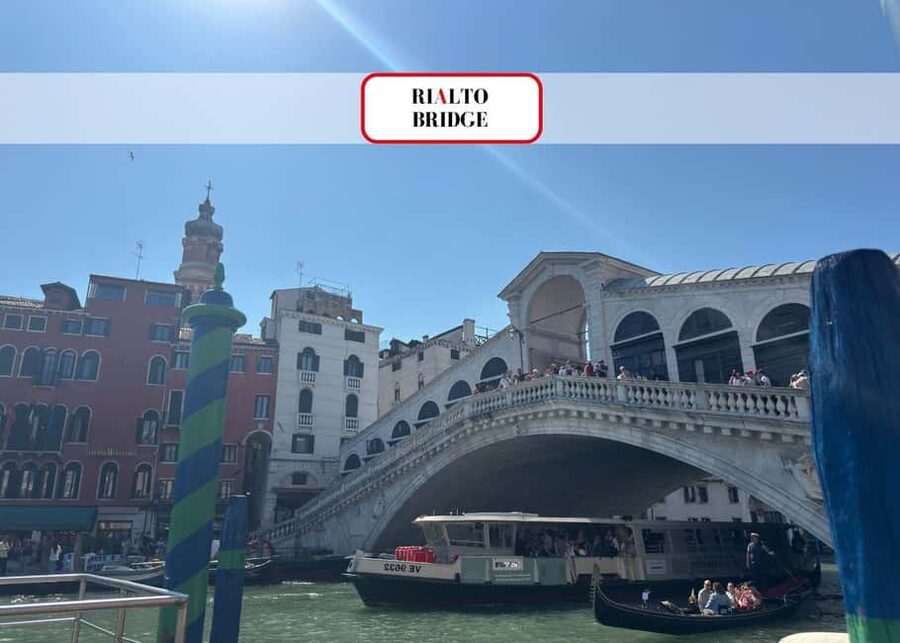
The walking route ends up at Rialto Bridge, and it’s a smart choice for winter. The bridge is one of Venice’s most scenic viewpoints along the Grand Canal, and in colder months you can often spend a little longer framing a photo without fighting peak-season flow.
The guide connects Rialto to what made Venice wealthy in the first place: mercantile power. That helps. If you only see it as a beautiful bridge, it’s still pretty. But if you understand why trade mattered here, the same view becomes more meaningful.
If you’re bringing a camera, winter is your friend. Light tends to be softer, and sky conditions can create interesting contrast on stone and water. Aim to use the guided time for your first vantage point, then if there’s space after your group moves on, you can linger briefly for one or two more angles.
Venice Gallery VR: A Fast Way to See the City’s Past
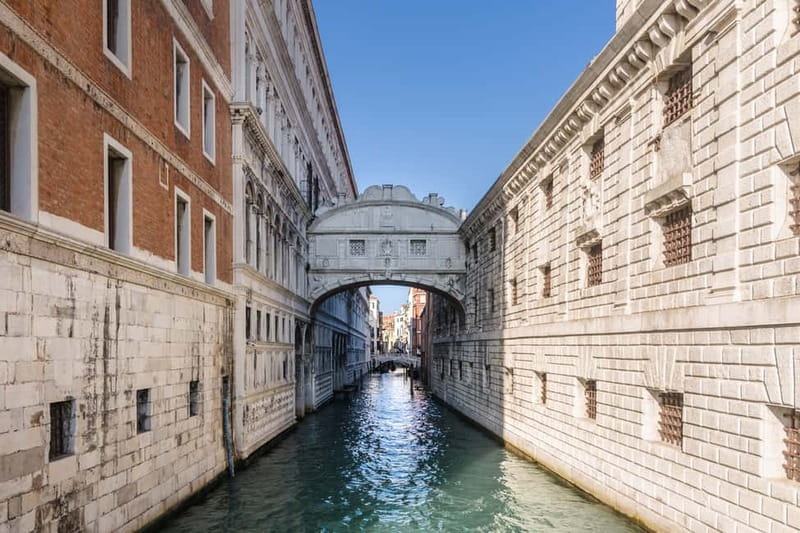
After the walking portion, you shift to a VR experience called Venice Gallery. This is where the tour adds a “time travel” layer without asking you to study books for months.
You’ll put on a headset and watch Venice’s past unfold. The experience includes changes at St. Mark’s Square and shows the Grand Canal in a different era, mixing history, innovation, and emotion. The point isn’t to memorize dates. The point is to help you recognize what you’re looking at later with new eyes.
For me, VR fits well as a winter strategy. Outdoors, you’re dealing with cold hands and short daylight. Indoors, you can reset and still keep the pace of the trip. It’s also a good way to see “before” when the real city is already layered with present-day buildings.
Just know it’s a guided stop, not an open-ended VR arcade. You’re there for the scheduled session and then you move on to the rest of the plan.


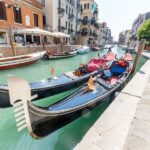


Gondola Ride Upgrade: Timing Gaps and What It’s Like on the Water
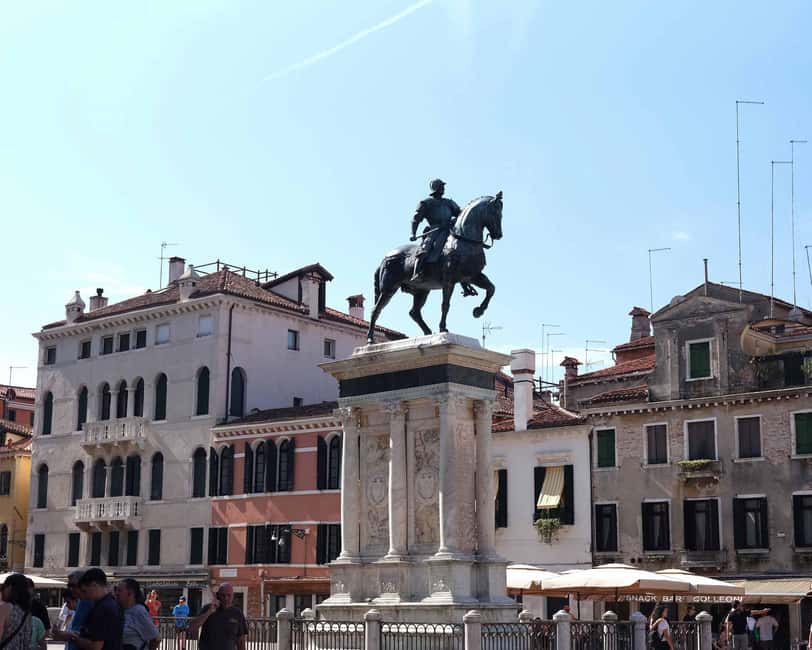
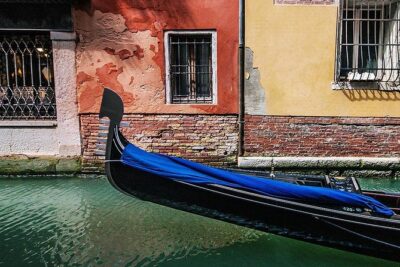
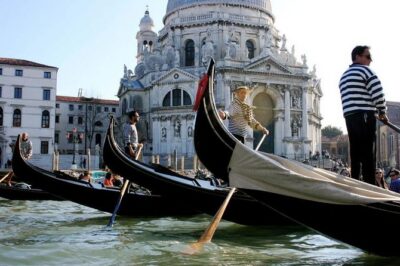
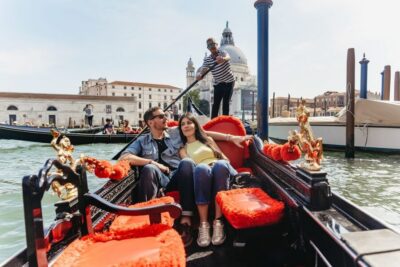
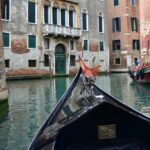
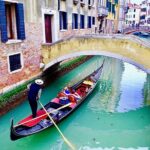
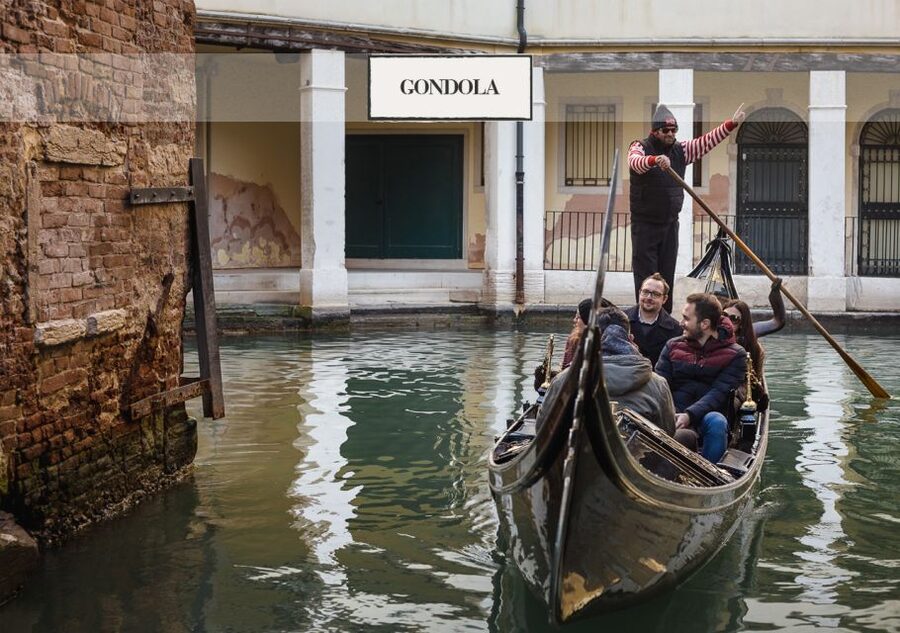
If you choose the gondola upgrade, you’re adding a romantic water perspective to your land walk. The ride itself is 30 minutes and shared, with a maximum of 5 people per gondola. Before the ride, there’s also a 15-minute introduction to help you understand what to expect.
Here’s the schedule detail that matters most for planning: there’s a gap of time between the walking tour and the gondola. For example:
- 9:00 AM walking tour pairs with an 11:00 gondola
- 10:00 AM walking tour pairs with an 11:40 gondola time listed by the operator
- 2:00 PM walking tour pairs with a 4:00 gondola
- 3:00 PM walking tour pairs with a 4:40 gondola
So don’t treat this as a single seamless 1–2 hour block if you upgrade. You’ll want a plan for what to do during that gap—grab a warm drink, wander nearby, or just take a breather. Venice can be slow going in winter, and waiting around without a plan can feel longer than it should.
Also, gondola logistics are worth understanding ahead of time:
- Seats can’t be chosen; they’re assigned by the gondolier depending on your weight.
- You’re on a shared ride, so you’re not getting a private gondola.
- The experience is designed to be a winter highlight and a photo angle, not a long cruise.
And yes, the payoff is the perspective. When you’ve just walked the city’s lanes, being on the canals changes the whole sense of scale. Streets suddenly make sense as systems built around water movement.
Price and Value: Is $14 a Good Deal Here?
At $14 per person, the walking tour portion looks like strong value for Venice. What helps the math is that you’re not only paying for a guide. You also get a Venice Gallery VR stop and audio receiver support for larger groups, plus you skip the ticket line for the included elements.
Where value gets subjective is the gondola upgrade. If you love the idea of doing one “classic Venice” moment without spending an entire day on transportation and separate booking, the upgrade can feel worth it—especially in winter when the city’s calmer mood makes the canal ride more comfortable.
My advice: compare what you’d otherwise do on your own. If you’d spend money on a guide-led highlights walk and then pay separately for VR and a gondola, this package format can save time and simplify planning. The tour also keeps the pacing tight, which matters when you’re trying to see multiple things in one trip.
Logistics That Matter: App, Audio Receivers, and Line-Skipping
A few small details can save you stress:
- You’ll download an app on your mobile device.
- Audio receiver devices are provided for groups of more than 10 people, which helps you actually hear the guide on louder streets or windy corners.
- There’s skip the ticket line included, so you’re not stuck waiting for entry during a short winter window.
You also should know what’s not provided. There’s no hotel pickup or drop-off, and food and drinks aren’t included. So budget time to get yourself to the meeting spot and to find somewhere warm before you lose feeling in your fingers.
Finally, the language setup is simple but important: the tour is monolingual, with options in Spanish, English, or Italian. That means you’ll want to book the time slot in the language you prefer, because you won’t be switching mid-tour.
Who This Tour Fits Best (and Who Should Skip It)
This is a great match if you want:
- a guided highlights loop through Saint Mark’s and Rialto without planning every turn
- a winter-friendly length (1–2 hours for the walking portion)
- a couple-style gondola upgrade with a 30-minute shared ride
- a VR stop that helps you understand what you’re seeing in the city
It’s also a smart choice if you’re short on time or you don’t want to fight crowds for viewpoints. Winter helps, and the pacing helps more.
On the other hand, don’t pick this if mobility is a big issue. It’s not fully accessible for wheelchair users or people with walking disabilities, and you’re walking on streets that can be uneven. Also, pets aren’t allowed, and there’s no room for luggage or large bags—so travel light.
Should You Book This Winter Walk and Gondola Upgrade?
I’d book it if you want a clean, efficient Venice plan: guided orientation plus major landmarks plus a VR session, then (optionally) a gondola ride that changes your perspective in a short, manageable chunk of time. At $14 for the walking tour, the value is hard to ignore.
Skip it if you need full accessibility, you hate winter walking, or you don’t like having a schedule gap between activities. The gondola upgrade is great, but it’s also a timed add-on—so you’ll enjoy it more if you plan your “in-between” hours instead of drifting.
If you can handle a winter walk and you like guided context, this is a very reasonable way to get the Venice feeling without burning a whole day.
FAQ
How long is the Venice winter walking tour?
The walking portion is listed as 1–2 hours. If you add the gondola ride, the total outing will be longer because there’s a time gap between the two parts.
What does the tour include if I choose the gondola option?
It includes a 15-minute introduction to the gondola experience and then a 30-minute shared gondola ride.
Where does the walking tour take you?
The route focuses on Venice’s historic center, walking through Saint Mark’s and Rialto, with stops that include Scuola Grande di San Marco and Rialto Bridge.
What is the VR experience called?
The included VR visit is called Venice Gallery. You use a headset to view Venice’s past.
What languages are available?
The live tour guide is offered in Spanish, English, or Italian. The tour is monolingual, meaning one language is used per tour.
Do I need to download an app?
Yes. You have to download the app on your mobile device.
Is the gondola ride private?
No. The gondola ride is shared, and each gondola can carry a maximum of 5 people.
Can I choose my gondola seat?
No. Seats cannot be chosen and are assigned by the gondolier depending on your weight.
Are pets and luggage allowed?
Pets are not allowed. Luggage or large bags are also not allowed.
If you tell me your travel dates and whether you’re planning the gondola upgrade, I can help you pick the walking time that best fits your daylight and photo goals.