REVIEW · VENICE
Venice: St. Mark’s Walking Tour & Gondola Traghetto Crossing
Book on GetYourGuide →Operated by VOIR VENISE · Bookable on GetYourGuide
Venice can feel like controlled chaos. This small St. Mark’s District loop turns it into a clear route with a friendly starter guide, then lets you roam at your own speed. The headline moment is crossing the Grand Canal by gondola traghetto, the older, practical way Venetians hop over where bridges don’t exist.
I really like two things here. First, you get a short, 15-minute orientation in English before you start walking, so the sights start making sense fast. Second, the smartphone audio guide points you to 36 key spots, covering politics, art, and daily Venice, in 9 languages.
One thing to keep in mind: the walking is real. You’re on uneven surfaces and bridges, and the gondola traghetto part has a small fee paid directly to the gondolier on site, so you’ll want to arrive with a charged phone and plan to follow the route closely.
In This Review
- Key highlights at a glance
- How this St. Mark’s District tour actually works
- The 15-minute intro: why it matters more than you think
- The smartphone audio route: 36 stops you can actually follow
- Grand Canal traghetto crossing: the local moment in the middle
- St. Mark’s Square power stops: mosaics, justice, and symbols
- St. Mark’s Basilica and the Eastern influence
- Campanile and Loggia: Venice’s spectacle
- Doge’s Palace, red columns, and Porta della Carta
- Prison and the Bridge of Sighs legend
- Time, trade, and daily Venice: the route’s clever variety
- Clock Tower and Venetian modernity
- Procuratie Vecchie & Nuove and civic evolution
- Ridotto at Caffè Lavena and Hotel Monaco
- From St. Mark’s to Dorsoduro: where the vibe shifts
- Biblioteca Marciana & Zecca: knowledge and money
- Ca’ Dario and Venetian destiny stories
- Peggy Guggenheim Collection and Palazzo Cini
- The bridges and the Grand Canal story you can walk
- Accademia Bridge origins of the Grand Canal
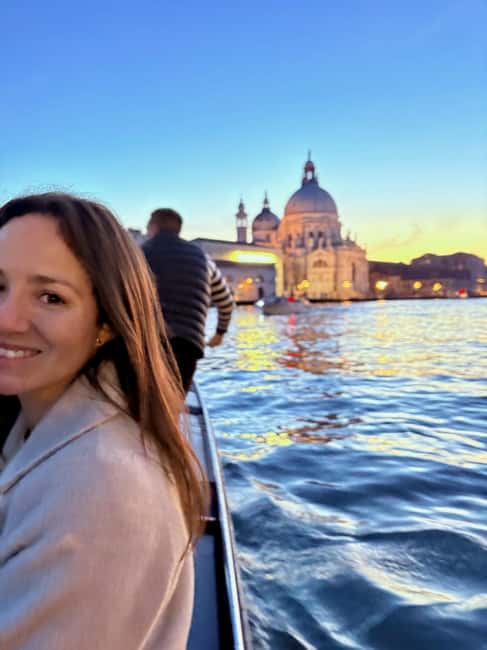
- Santa Maria della Salute: the vow after the plague
- Teatro La Fenice and Calle Larga XXII Marzo: drama plus politics
- Teatro La Fenice: destruction and rebirth
- Calle Larga XXII Marzo: luxury and 1848 revolution
- Caffè Florian, Ridotto life, and small breaks that fit the loop
- What you get for the price: value vs expectations
- Who this is best for (and who might want something else)
- Should you book the Venice St. Mark’s walking tour with traghetto?
- FAQ
- How long is the tour?
- Where do I meet the guide or host?
- Is the gondola traghetto crossing included in the price?
- What languages are available for the audio guide?
- Do I need headphones?
- What time is traghetto usually available?
- Is this tour wheelchair accessible?
Key highlights at a glance
- A guided warm-up in St. Mark’s: about 15 minutes to get your bearings before the self-paced loop begins
- Smartphone audio for 36 points: built to guide you street-by-street across St. Mark’s District and toward Dorsoduro
- Grand Canal traghetto crossing (local style): the practical gondola ride Venetians used for centuries
- St. Mark’s power sights: mosaics, justice, trade, and the Republic’s symbols packed into one area
- Dorsoduro art atmosphere: light, refined streets and major collections and bridges
- A small souvenir included: gondola-themed, plus help from Voir Venise during your stay
How this St. Mark’s District tour actually works
This experience is designed as an elegant loop that starts and ends in St. Mark’s Square. You begin at the partner office at Campo San Zaccaria 4683g, 5–10 minutes before your time slot. A representative from Voir Venise welcomes you, then your local host leads a short introduction on foot toward St. Mark’s Square.
After that first phase, the tour becomes self-paced. The route keeps you moving, but it doesn’t bully you. You can pause, step aside, and take your time. The smartphone audio guide becomes your companion: you follow the walking path and stop at major points as prompted, rather than relying on a constantly moving group.
The best part of this format is that it’s realistic for Venice. St. Mark’s area is crowded, and ticket lines can mess with your day. Here, you’re not stuck in a rigid schedule. You’re following an intelligent walking route, with the traghetto crossing slotted midway through, then finishing back at St. Mark’s.
You can also read our reviews of more tours and experiences in Venice.
The 15-minute intro: why it matters more than you think
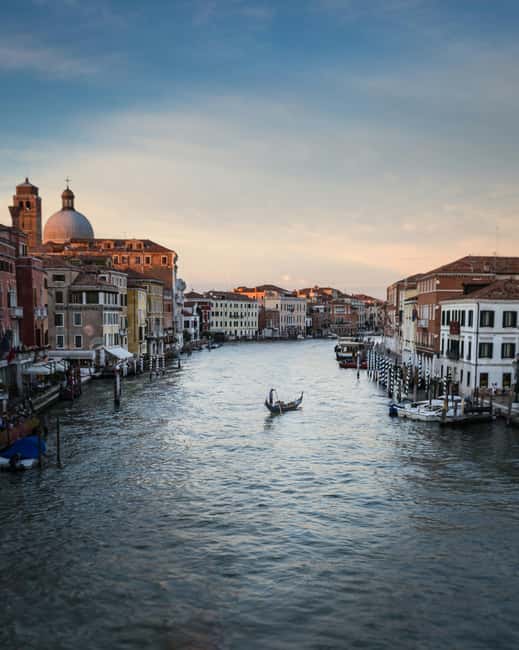
That short guided start is not fluff. It’s timed to do one job: give you context so you don’t just look at buildings without understanding why they’re there. St. Mark’s District is full of symbols—religious, political, and legal. If you show up without a map of the Republic’s mindset, it can feel like a lot of marble and pigeons.
This intro helps you connect the dots early. You’ll hear how Venice shaped its identity, and you’ll walk toward St. Mark’s Square with a sense of what to look for once you’re there. It also helps families, because kids often do better when the first 10 minutes make the rest of the tour feel like a story.
Practical tip: treat those first minutes like your warm-up lap. If you’re thinking about skipping the intro, don’t. It’s the fastest way to get momentum.
The smartphone audio route: 36 stops you can actually follow
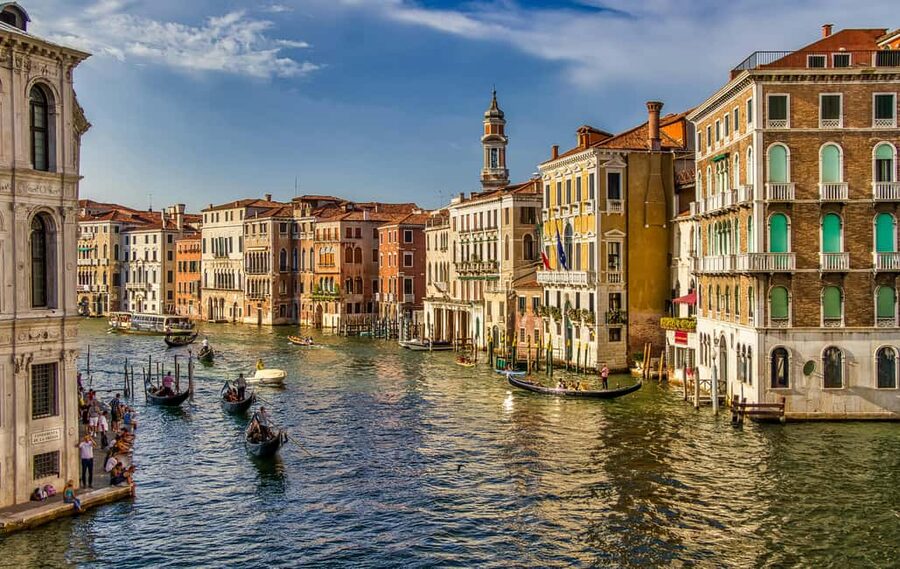
Once you’re on the loop, the tour’s brain is your phone. The audio is premium content validated by Retrace, a European agency focused on art and art history. What that means for you on the ground: the commentary aims to explain what you’re looking at, not just recite dates.
You’ll get audio in English, French, Italian, Spanish, German, Portuguese, Russian, Chinese, and Japanese. That’s useful if you’re traveling with mixed-language friends or if you want to switch to your strongest language for the heavy stuff like politics and law.
You’ll also need two simple things:
- headphones (so you don’t fight the street noise)
- a charged smartphone (because Venice will eat battery life like it’s a sport)
The route focuses on 36 curated points of interest, mixing big-name landmarks with smaller, meaningful details—things like justice symbols, civic institutions, and places tied to commerce and power. That approach is good value because you’re not paying just for one famous building. You’re getting a guided walk across an entire network of meaning.
Grand Canal traghetto crossing: the local moment in the middle
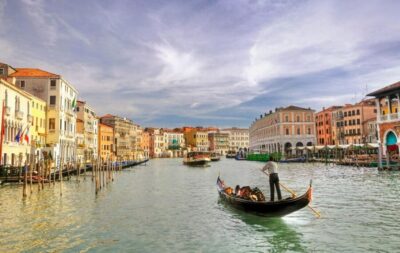
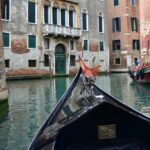
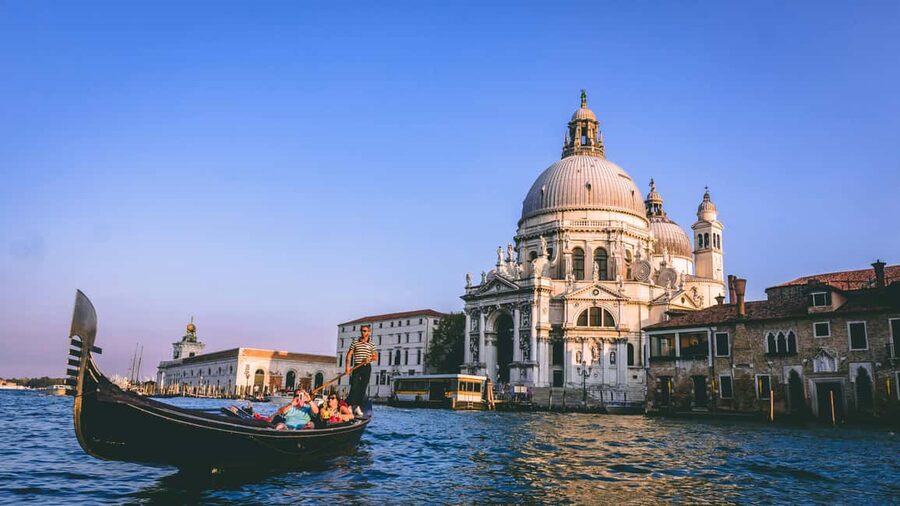
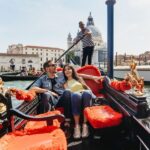
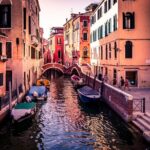
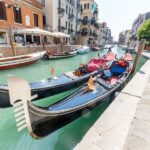
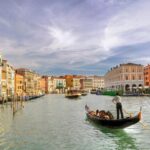
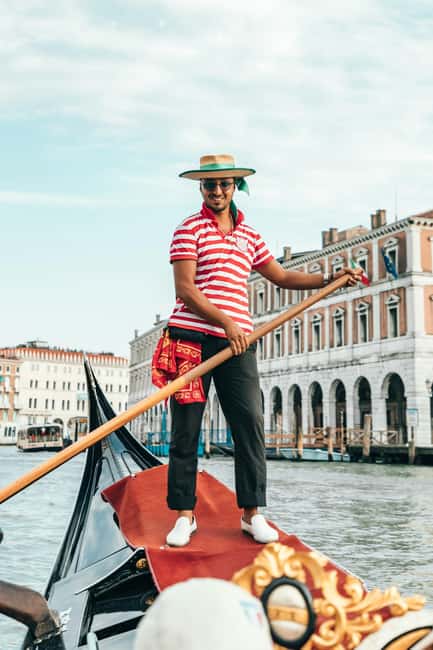
The signature experience is midway through the walk: a gondola traghetto crossing of the Grand Canal. This is the traditional crossing locals used for centuries when a bridge didn’t exist at that point.
Here’s the practical reality: the traghetto crossing fee is €2 per person, paid directly to the gondolier on site. It’s not prepaid or included in the tour price. So you’ll want cash or a payment method accepted by the gondolier and some willingness to handle it on the spot.
Also, traghetto service usually runs from about 10:00 AM to 5:00 PM, and your crossing can be used at any time during operating hours. That flexibility can help you if your day runs late, but it also means you shouldn’t assume the ride is automatic. Stay alert, and if you don’t see the crossing step happening when it should, ask early rather than hoping it fixes itself.
Why this crossing is worth it: you’re not in a choreographed tourist gondola scene. You’re using the city’s everyday logic. It’s short, simple, and very Venice.
St. Mark’s Square power stops: mosaics, justice, and symbols
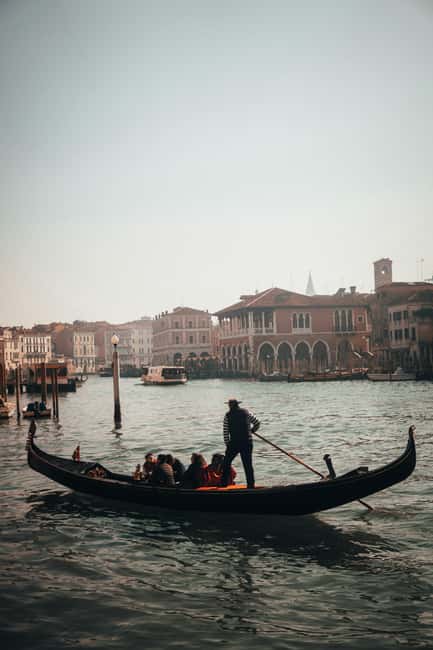
Your loop builds momentum as you move through the heart of Venice’s political and sacred center. Here are the highlights you’ll want to watch for and what each one means in plain terms.


St. Mark’s Basilica and the Eastern influence
You’ll hit the St. Mark’s Basilica area, famous for mosaics with Eastern influences. The trick is to look past the crowd and notice the surface work. From a walking route, you’ll never feel like you have unlimited time inside, but the audio helps you read the building like an idea: Venice borrowing, adapting, and advertising power through art.
Potential drawback: this area can be dense. You might need a minute to find a comfortable viewing angle before moving on.
Campanile and Loggia: Venice’s spectacle
You’ll also see the Campanile & Loggia, which function like a public stage. Venice used architecture and open-air spaces to project status. The audio makes this clearer, especially if you’re used to thinking of churches only as spiritual places.
Doge’s Palace, red columns, and Porta della Carta
The tour includes major justice imagery: Doge’s Palace & the red columns, plus Porta della Carta & the Tetrarchs. These aren’t just pretty facades. They connect law, governance, and public messaging. If you like history but hate lectures, this is a good way to learn without sitting still.
Prison and the Bridge of Sighs legend
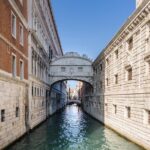
You’ll pass by Prisons & the Bridge of Sighs. Even if you’ve heard the legend, it’s worth seeing the physical setting. The audio frames it as a mix of crime, punishment, and storytelling—exactly what a place like this became over time.
If you want extra time here, give yourself a few minutes. This stop can be a emotional pause in a tour that otherwise keeps moving.
Time, trade, and daily Venice: the route’s clever variety
Not every stop is a grand monument. The route adds variety so your brain doesn’t go numb from repeating big names.
Clock Tower and Venetian modernity
The Clock Tower stop is about time and trade. Venice ran on schedules even when most people picture it as an artistic fantasy. The audio helps you understand how the city turned clocks and commerce into everyday power.
Procuratie Vecchie & Nuove and civic evolution
You’ll also encounter Procuratie Vecchie & Nuove—institutions that show how Venice organized society over time. This is one of those stops where it helps to look at scale: long facades can feel repetitive until the audio explains what kind of social machine you’re looking at.
Ridotto at Caffè Lavena and Hotel Monaco
The route even touches the more playful, shady side of Venice: Ridotto at Caffè Lavena tied to gambling and Carnival society, plus references like Hotel Monaco & the Ridotto of San Moisè, described as Europe’s first public casino. This is fun because it turns Venice from only sacred and dramatic into a real social world with habits, risk, and nightlife.
For families: it’s an easy way to make kids see Venice as a city of people, not just statues.
From St. Mark’s to Dorsoduro: where the vibe shifts
After the main civic and religious core, the walk continues toward Dorsoduro. This is where Venice’s tone turns lighter and more art-minded. You’ll go from power-saturated marble to a district with an airier rhythm.
The route guides you to several art and culture touchpoints, including:
Biblioteca Marciana & Zecca: knowledge and money
You’ll see Biblioteca Marciana & Zecca, which connects knowledge with money. That pairing sounds odd until you realize Venice’s strength was both intellectual and economic.
Ca’ Dario and Venetian destiny stories
The route includes Ca’ Dario, tied to legendary destinies. Even if you don’t remember every detail, this kind of stop gives Venice its narrative spark. Buildings become characters.
Peggy Guggenheim Collection and Palazzo Cini
You’ll also reach the Peggy Guggenheim Collection, plus Palazzo Cini & Gallerie dell’Accademia. Even if you’re not going inside, the audio frames why these sites matter in Venice’s art story. It’s a good balance: you get big names without turning the walk into a museum day.
The bridges and the Grand Canal story you can walk
A walking tour shines when it explains the city’s layout. Here, the key bridge moments help you understand how the Grand Canal functions.
Accademia Bridge origins of the Grand Canal
The Accademia Bridge is included with commentary on the origins of the Grand Canal. It’s a smart stop because it ties geography to history. You start to feel the canal as the city’s backbone rather than a scenic backdrop.
Santa Maria della Salute: the vow after the plague
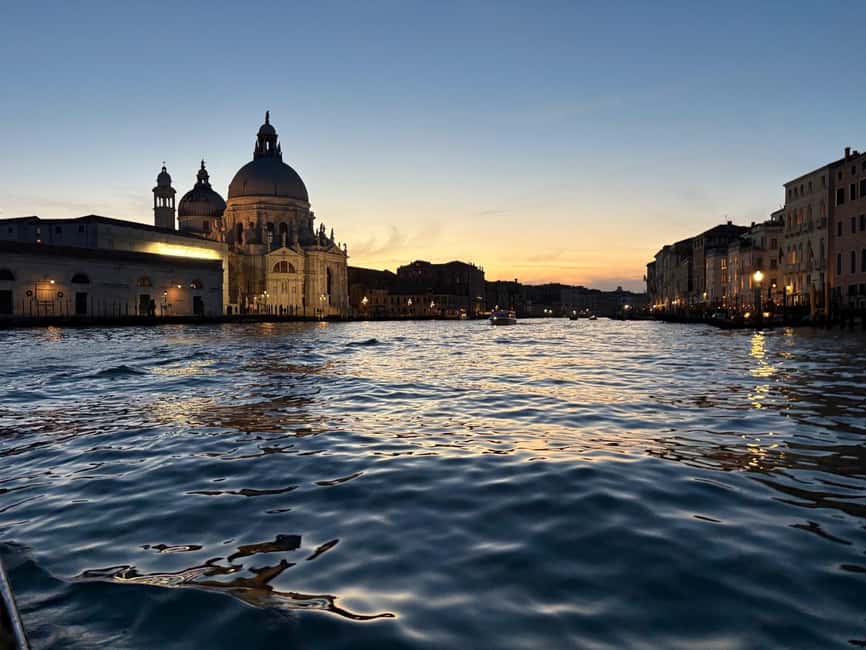
You’ll also encounter Santa Maria della Salute, described as a vow after the plague. That’s a reminder that Venice’s big projects often came from survival and fear, not only wealth.
Teatro La Fenice and Calle Larga XXII Marzo: drama plus politics
The route keeps the energy up with places tied to spectacle and upheaval.
Teatro La Fenice: destruction and rebirth
Teatro La Fenice is known for a story of destruction and rebirth, and the tour includes that angle. This is one of those locations where you can appreciate the building as an idea: Venice re-building its own identity.
Calle Larga XXII Marzo: luxury and 1848 revolution
You’ll walk through Calle Larga XXII Marzo, linked to luxury and the 1848 revolution. The lesson is that Venice’s streets were never just decoration. They were where politics lived.
Caffè Florian, Ridotto life, and small breaks that fit the loop
Even within a walking format, food and social life are part of the experience. Caffè Florian appears on the route, adding an elegant, artist-connected side to the story.
You’re not told to do a long sit-down meal, but you’ll pass places where a quick coffee or short break would make sense. If you’re traveling with kids, this kind of stop helps keep energy steady without adding extra time.
What you get for the price: value vs expectations
The tour price is listed at $14 per person, with the traghetto fee of €2 paid directly to the gondolier. For that, you’re getting:
- a short guided orientation in English
- a smartphone audio guide for 36 stops in 9 languages
- a planned gondola traghetto crossing slot
- a small gondola-themed souvenir
- support from Voir Venise during your stay
Is it a full guided tour the whole way? No. The main guidance after the intro is audio-based. If you want someone to answer every question in real time, you may feel less “guided” than you expect.
Also, pay attention to the middle-of-route crossing step. The cost is small, but if the traghetto segment doesn’t happen as expected, the whole value proposition changes. On the day, confirm you’ve got clear instructions and that you’re seeing the crossing portion occur.
Who this is best for (and who might want something else)
You’ll likely enjoy this tour if you:
- want a structured loop without buying a timed-entry ticket for multiple museums
- like art, politics, and Venice’s civic symbols, but don’t want a lecture
- travel with kids and want an audio route that keeps the day moving
- prefer walking at your pace, with flexibility to pause and look longer
It may not be your best match if you:
- want a fully guided experience for the entire 2 hours
- struggle with self-navigation and need constant direction
- get frustrated by phone-based audio that depends on battery and headphones
Should you book the Venice St. Mark’s walking tour with traghetto?
Yes—with a smart expectation. This is a cost-effective way to cover a dense part of Venice: St. Mark’s power sights, the story-driven landmarks around justice and governance, and then the Dorsoduro art atmosphere. The traghetto crossing is the kind of local touch that makes the walk feel like more than sightseeing.
I’d book it if you’re comfortable following an audio route and you’re ready to handle the tiny on-site fee for the gondola crossing. If you want a nonstop live guide and a perfectly hands-off experience, you might be happier with a tour that stays with you end to end.
Either way, do yourself a favor: bring headphones, keep your phone charged, and double-check the traghetto step when you reach the Grand Canal portion.
FAQ
How long is the tour?
The walking loop lasts about 2 hours.
Where do I meet the guide or host?
Meet inside the partner office at Campo San Zaccaria 4683g, about 5–10 minutes before the tour starts.
Is the gondola traghetto crossing included in the price?
The crossing itself uses a traditional gondola traghetto, but the fee is not included. You pay €2 per person directly to the gondolier on site.
What languages are available for the audio guide?
The premium audio guide is available in English, French, Italian, Spanish, German, Portuguese, Russian, Chinese, and Japanese.
Do I need headphones?
You should bring headphones so you can hear the smartphone audio clearly in busy areas.
What time is traghetto usually available?
Traghetto service is usually available from about 10:00 AM to 5:00 PM, and your crossing can be used at any time during those hours.
Is this tour wheelchair accessible?
It’s not recommended for wheelchairs due to uneven surfaces and bridges.