REVIEW · VENICE
Venice: 30 minutes Enchanting Gondola Ride
Book on GetYourGuide →Operated by StarFlorence · Bookable on GetYourGuide
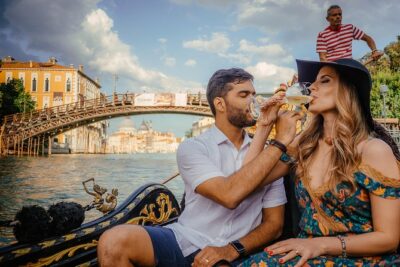
Canals feel different from inside a gondola. This short ride from Bacino Orseolo lets you slip past famous and lesser-seen Venice in about half an hour, with views that are hard to get on foot.
What I like most is the mix of small canals (quieter, more intimate) and a direct route that reaches the Grand Canal. One other plus: it’s described as hassle-free and not overwhelming.
There’s one drawback worth planning for: don’t count on a long, talky, highly guided experience. Some feedback suggests the gondolier’s interaction can be minimal, so if you’re hunting for lots of commentary, keep expectations modest. Also, delays and reroutes can happen with weather and water conditions.
In This Review
- Key moments to look for on this 30-minute gondola
- Why a short gondola (30 minutes) is the smart Venice move
- Getting to the meeting point: Correr Museum area and the kiosk landmark
- Boarding at Bacino Orseolo: what it feels like when Venice becomes water-first
- The route to the Grand Canal: small canals, named Rio moments, and quick picture chances
- Rio dei Barcaroli: a Mozart connection on the water
- Rio dell’Ovo: another signature canal name as you slide toward the Grand Canal
- Rialto Bridge from the water: the view that makes the whole trip worth it
- Ca’ Farsetti and Palazzo Grimani: civic Venice, not just tourist Venice
- Moving toward Rio San Luca: bridges, facades, and the Rossini cinema link
- Palazzo Manin and the last Doge connection
- Smooth ride, small group size, and what to pack
- About interaction and guidance: plan for views, not a lecture
- Weather and water conditions: how flexible you should be
- Who should book this gondola ride, and who might skip it
- Should you book this 30-minute gondola from Bacino Orseolo?
- FAQ
- Where do I meet for the gondola ride?
- Where does the gondola ride board?
- How long is the gondola ride?
- How many people are in the group?
- What do I need to bring, and what’s not allowed?
- Is the tour wheelchair accessible?
- What happens if weather is bad or water conditions are unusual?
Key moments to look for on this 30-minute gondola
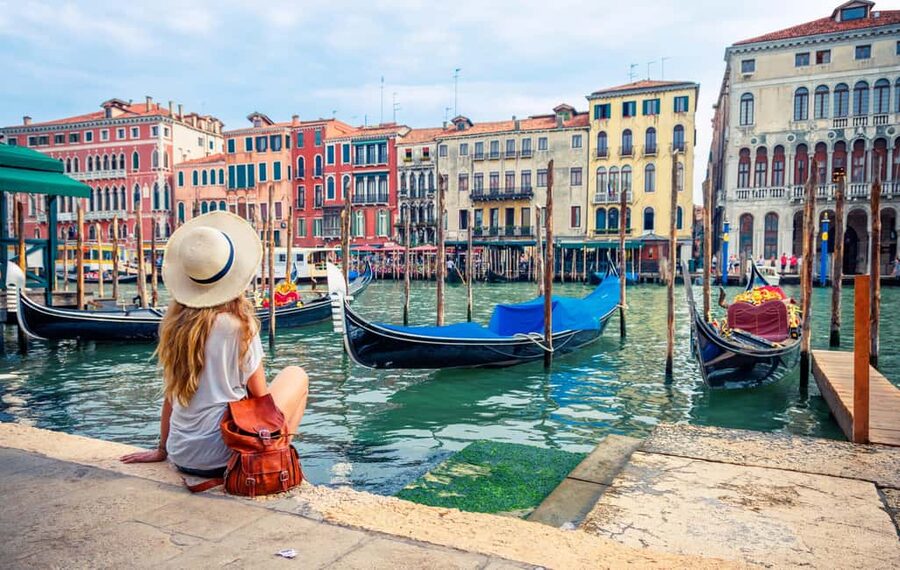
- Boarding at Bacino Orseolo just behind Piazza San Marco, then quickly moving into the minor canals
- Rio dei Barcaroli and Rio dell’Ovo, where you’ll pass notable buildings and iconic-water names
- Rialto Bridge from the right-hand view, including its Renaissance-era significance and old-bridge status
- Ca’ Farsetti and Palazzo Grimani slipping by as you approach and cross the Grand Canal area
- Ponte del Teatro and Ponte di San Paternian near Rio San Luca, with the Rossini cinema frontage mentioned
- Palazzo Manin, tied to Ludovico Manin, now associated with the Bank of Italy
Why a short gondola (30 minutes) is the smart Venice move
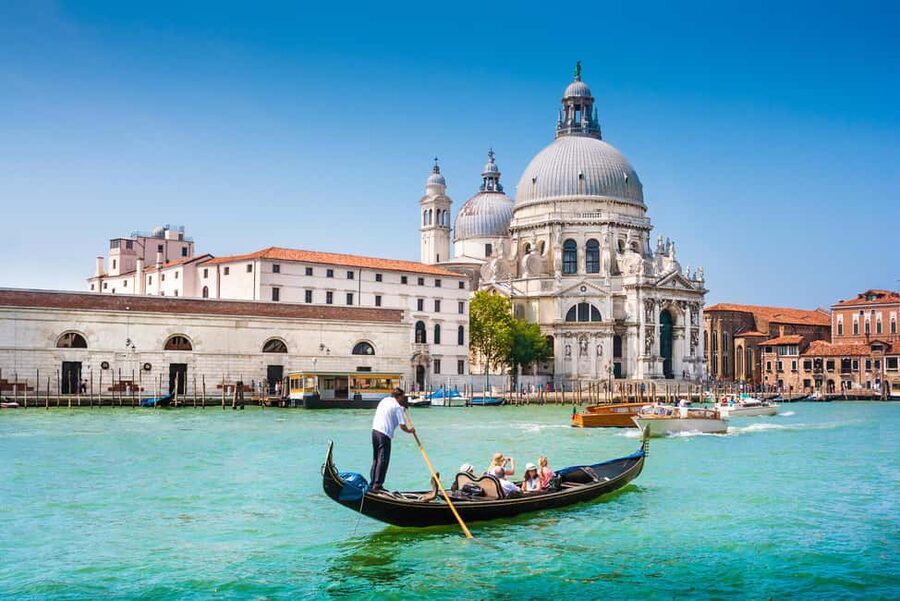
Venice can swallow your day fast. Between queues, crowds, and the constant need to choose which street to turn down, you can end up feeling rushed. A 30-minute gondola ride is the antidote: a focused slice of the city that fits into your sightseeing rhythm.
This one also gives you a useful “orientation” view. You start near Piazza San Marco, then your gondola route works its way through smaller, more picturesque canals before reaching the Grand Canal. That means you’re not only seeing the postcard places—you’re also learning how Venice’s water routes connect.
You can also read our reviews of more tours and experiences in Venice.
Getting to the meeting point: Correr Museum area and the kiosk landmark
Your meeting point is in Piazza San Marco’s orbit, in front of a wooden souvenir kiosk just behind the Correr Museum. It’s next to the entrance to the post office. The meeting address listed is Calle larga de l’Ascension, 1257, with coordinates around 45.4336, 12.3371.
Here’s the practical tip: arrive early and be ready to identify the exact kiosk. One piece of feedback I took seriously is how easy it can be to get misaligned if the meeting point detail isn’t followed precisely. In other words, don’t treat it like a “meet somewhere in the area” situation.
Once you’re confirmed, the tour boards from Bacino Orseolo, located behind Piazza San Marco. Expect a quick shift from the museum-square zone to the water’s edge.
Boarding at Bacino Orseolo: what it feels like when Venice becomes water-first
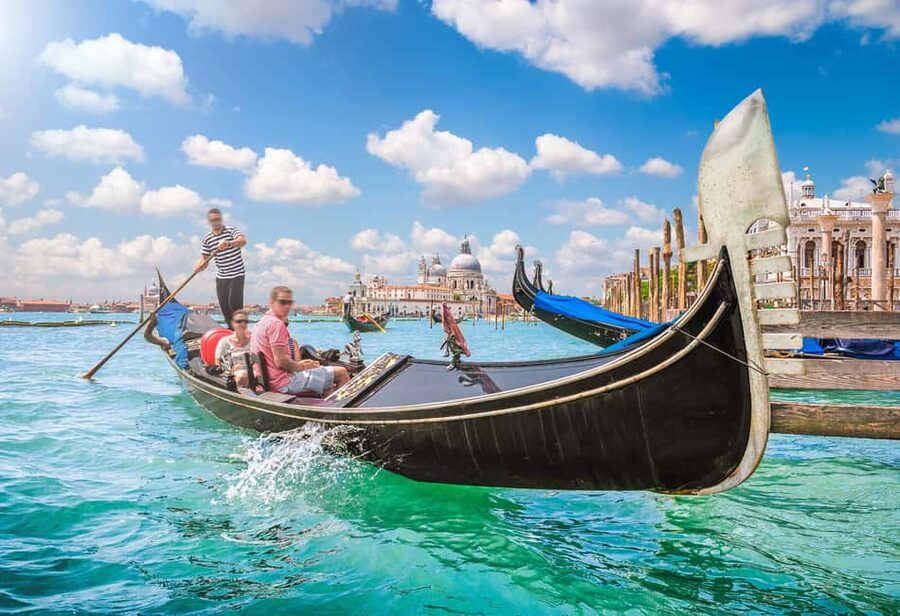
Bacino Orseolo is one of those Venice starting points that makes sense right away. You’re close enough to the St. Mark’s buzz to feel central, but you’re not immediately trapped in the thickest tourist crush.
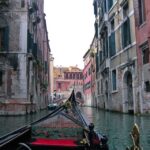
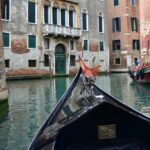
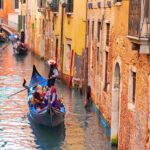
Then comes the best part of any gondola ride: the gentle sway as you pull away and start drifting into the minor canals. If you’re used to walking Venice, it’s the first moment when the city stops feeling like streets and starts feeling like a system—waterways, crossings, and buildings all lined up for viewing from the same height.
Also note the group size limit: it’s capped at 10 participants. That matters for comfort. Smaller groups typically mean less jostling during boarding and fewer bottlenecks while you’re waiting for your turn.
The route to the Grand Canal: small canals, named Rio moments, and quick picture chances
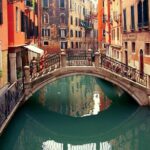
The ride is planned to move from Bacino Orseolo into smaller channels first, then onward to the Grand Canal. The specific waterways called out include Rio dei Barcaroli and Rio dell’Ovo.
What makes these named ríos useful is that they give you anchors for memory. You’ll likely see different building faces, different bridge types, and different canal widths than you’d notice on a walking route. Venice’s “same city” look turns into a series of distinct water-scenes.
Rio dei Barcaroli: a Mozart connection on the water
Rio dei Barcaroli is singled out with a mention of Mozart’s home. Even if you know nothing else about that link, it gives the canal a story layer that walking alone can miss.
The viewing style here is also important: smaller canals tend to hold details closer—facades, windows, and the exact angles of palazzos. If your camera usually struggles with Venice crowds, this section is where the framing often becomes easier.
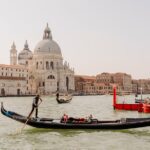
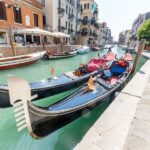
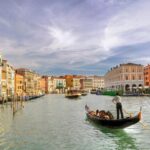
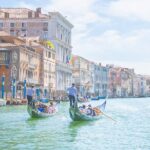
Rio dell’Ovo: another signature canal name as you slide toward the Grand Canal
Rio dell’Ovo is another part of the approach. The key idea is timing and flow: you’re not stuck waiting for the Grand Canal moment; the route builds toward it.
So instead of just waiting for the big view, you keep getting micro-views that stack nicely. It’s one of the reasons this 30-minute format can feel better than longer rides that feel repetitive.
Rialto Bridge from the water: the view that makes the whole trip worth it
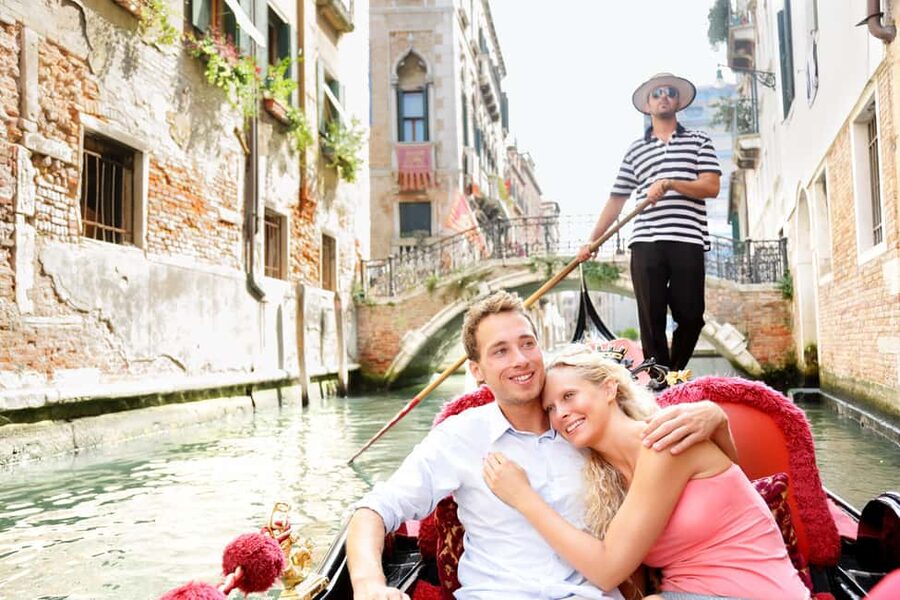
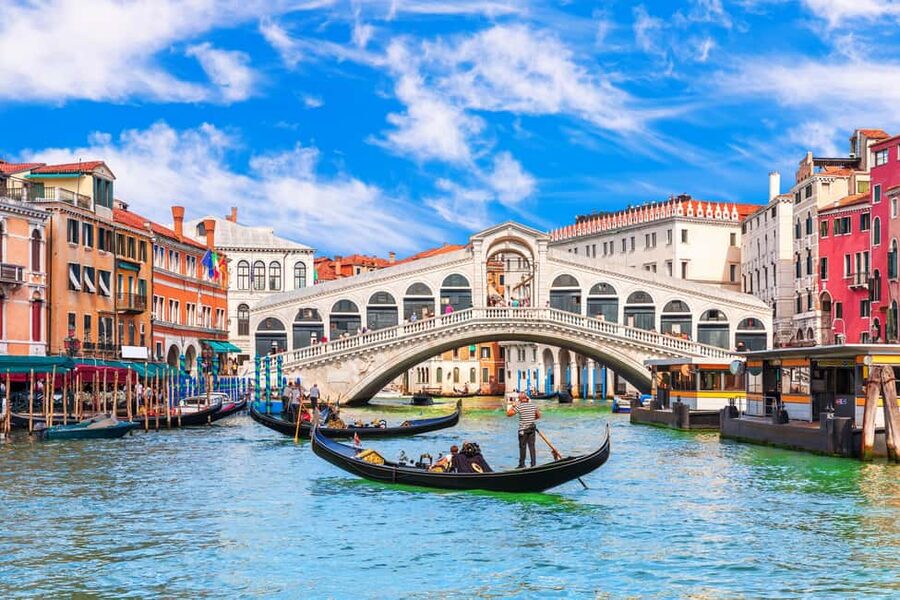
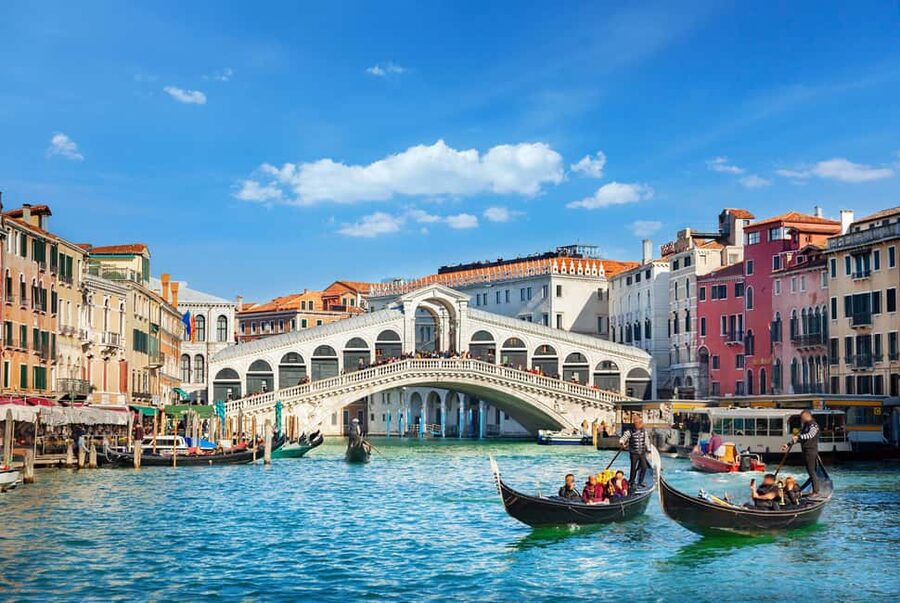
Then you reach the Grand Canal section, and this is where the gondola pays off in a very obvious way. From the description, you’ll see Rialto Bridge on the right.
Rialto is often seen from footbridges, terraces, and crowded viewpoints. From a gondola, you get a more direct relationship to scale: the bridge isn’t a backdrop, it’s part of your moving field of vision.
The information given also emphasizes Rialto’s status as the oldest bridge across the canal and highlights its reputation as a Renaissance masterpiece of architecture and engineering. That matters because, on the water, you can better “read” why it’s so iconic—how the structure spans, how the lines work, and how it shapes the water passage underneath.
Ca’ Farsetti and Palazzo Grimani: civic Venice, not just tourist Venice
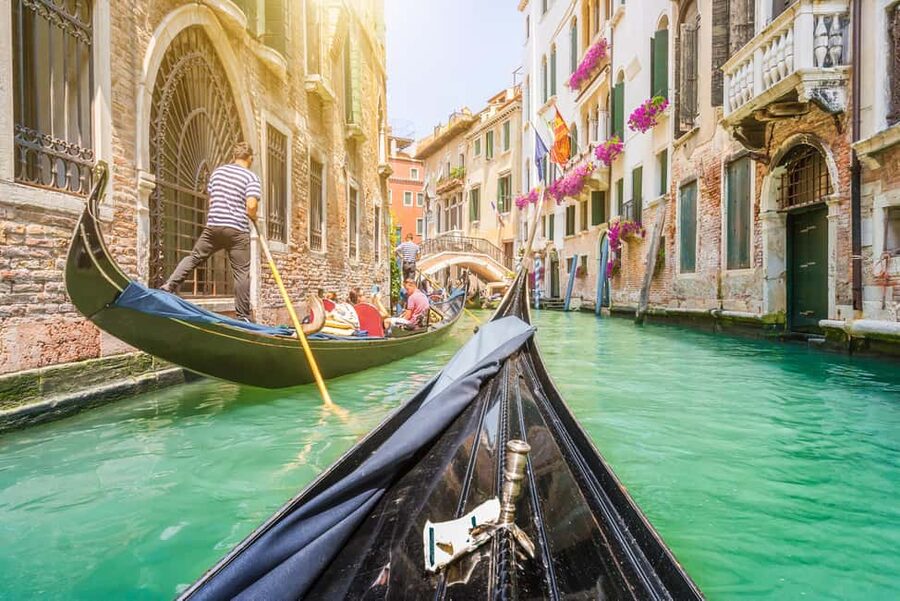
As you continue along the Grand Canal corridor, the tour description points out two big institutional sights.
On the right, you’ll see Ca’ Farsetti, listed as the seat of the city hall. On the left, you’ll see Palazzo Grimani, noted as the largest building with a view of the Grand Canal and the seat of the Court of Appeal.
These stops can be easy to miss if you’re mainly focused on churches and bridges. From the gondola, you’re seeing how Venice functions as a lived city—where governance and law take shape along the same waterways as the more famous scenes.
Moving toward Rio San Luca: bridges, facades, and the Rossini cinema link
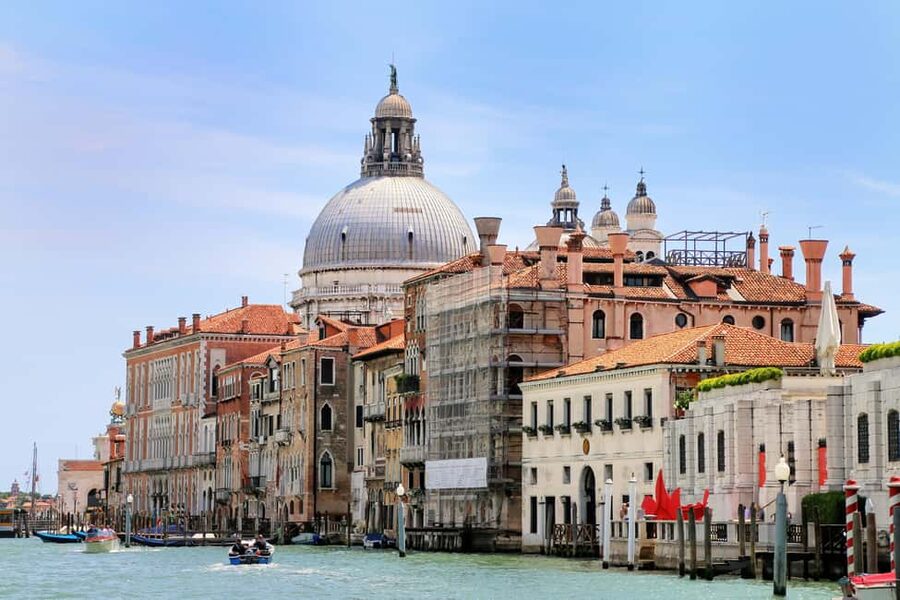
After the Grand Canal segment, the tour continues to Rio San Luca. This part of the ride is less about one huge landmark and more about what you spot while gliding through a denser patch of Venice.
The description includes Ponte del Teatro, described as the bridge between the façade of the church of San Luca and that of the Rossini cinema. You’ll also pass Ponte di San Paternian, which connects Campo Manin to Calle San Paternian.
Here’s what you can expect from a viewpoint like this: Venice’s “crossings” become more legible. Bridges start to read as connectors between street life and canal life, not just as photo props.
Palazzo Manin and the last Doge connection
One of the stronger named moments later in the route is Palazzo Manin on the Rio San Paternian side. The description connects it to Ludovico Manin, identified as the last Doge of Venice, and notes that the palace is now associated with the Bank of Italy’s headquarters.
This is the kind of stop that feels extra satisfying on a short ride. It’s not only beauty; it’s a time marker—evidence that Venice’s power moved through specific buildings that you can still see today from the water.
And because gondolas line up differently than a walking viewpoint, you often get a more “official” perspective on palazzos: a long, straight look at the facade rather than a side glance from behind crowds.
Smooth ride, small group size, and what to pack
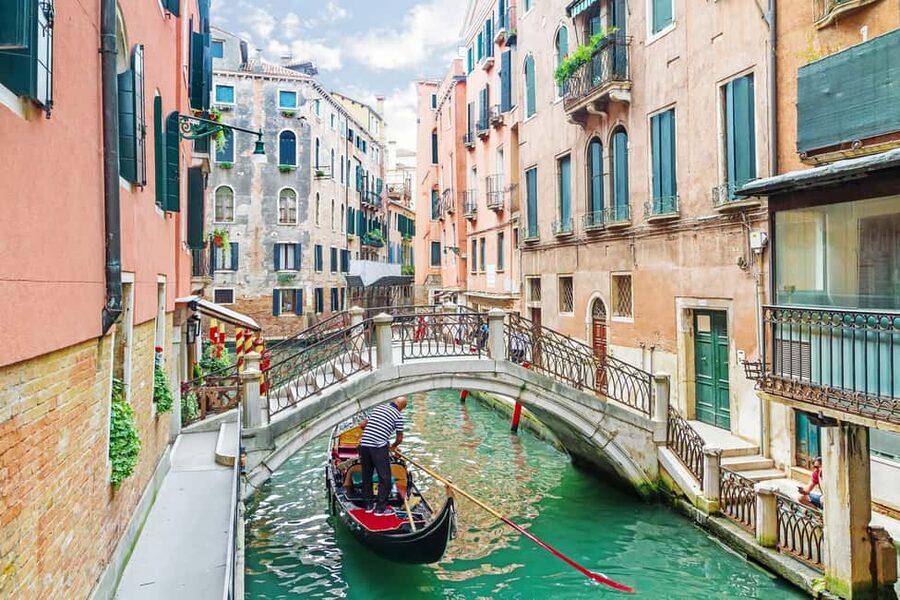
Comfort matters on a short gondola, and this format is designed for it. The ride is 30 minutes, the group size is limited to 10, and it’s positioned as hassle-free and not overwhelming. For many people, that means you’re done before you start craving a break.
Still, come prepared. The activity lists:
- Bring a passport or ID card
- Wear comfortable shoes (you’ll be on foot at the start area)
And keep your baggage minimal. It’s not allowed to bring oversize luggage, baby strollers, or large bags. There’s also a specific constraint: bulky baggage over 16 liters isn’t possible on the boat. No smoking is also stated as not allowed on the boat.
Practical tip: pack for the short window. You don’t need a big day-bag for a ride that’s just half an hour, plus a small amount of walking to the meeting kiosk and boarding point.
About interaction and guidance: plan for views, not a lecture
This is where I’ll be direct. If what you want is a long, structured narration, this may not fully match. Based on the feedback pattern, some rides can feel more like a smooth glide with limited interaction from the gondolier, rather than a detailed guided tour.
That doesn’t make the experience bad. It just changes how you should enjoy it. Treat this as a visual experience first. Keep your eyes on the ríos, bridge shapes, and the way buildings line up along the water.
If you do want context, a good move is to read a little beforehand about the big named places on the route—Rialto, Ca’ Farsetti, Palazzo Grimani, and Palazzo Manin—so you already know what you’re looking at when you’re there.
Weather and water conditions: how flexible you should be
This gondola ride is subject to real-world Venice conditions. The information provided says:
- Adverse weather may vary duration or itinerary
- The tour doesn’t operate in case of exceptional high tide or religious functions; it can be rearranged or refunded
- If canceled due to poor weather, you get the option of an alternative date or a full refund
So your best strategy is to pair this with flexible timing—ideally not as the one activity you can’t move.
Also, be punctual. The tour notes that if you arrive after the start time, you can’t join and you won’t be refunded or rescheduled. That’s a common Venice gotcha, and it’s avoidable with a simple buffer.
Who should book this gondola ride, and who might skip it
This is a great fit if you want:
- A fast, high-impact Venice experience
- A blend of small canals plus one clear Grand Canal moment
- A short outing that doesn’t eat your entire day
It’s especially handy for couples, first-time Venice visitors, and anyone who feels overwhelmed by long tour schedules.
You might consider skipping if:
- You want a fully guided, commentary-heavy format
- You need wheelchair access, since it’s noted as not suitable for wheelchair users
Should you book this 30-minute gondola from Bacino Orseolo?
Yes, with one smart mindset shift. Book it if you want a smooth, time-friendly gondola that gets you from the Piazza San Marco area toward Rialto and key Grand Canal sights without dragging on. The ride includes exactly the kind of named landmarks that make Venice feel real and specific: Rialto Bridge, Ca’ Farsetti, Palazzo Grimani, Ponte del Teatro, Ponte di San Paternian, and Palazzo Manin.
But book it for the views, not for a long lecture. If that sounds like your kind of Venice, this 30-minute glide is a very good use of your limited time in the city.
FAQ
Where do I meet for the gondola ride?
Meet your guide in front of a wooden souvenir kiosk just behind the Correr Museum in Piazza San Marco, next to the entrance to the post office (Calle larga de l’Ascension, 1257).
Where does the gondola ride board?
The gondola ride boards at Bacino Orseolo, which is located behind Piazza San Marco.
How long is the gondola ride?
The ride lasts 30 minutes.
How many people are in the group?
The group is limited to a small group size of up to 10 participants.
What do I need to bring, and what’s not allowed?
Bring a passport or ID card and wear comfortable shoes. Not allowed: oversize luggage, baby strollers, smoking, and luggage or large bags (with a 16-liter size constraint mentioned).
Is the tour wheelchair accessible?
No. It’s noted as not suitable for wheelchair users.
What happens if weather is bad or water conditions are unusual?
The tour may vary in duration or itinerary with adverse weather. It does not operate in exceptional high tide or during religious functions; it can be rearranged or refunded. If canceled due to poor weather, you’ll be offered an alternative date or a full refund.