REVIEW · VENICE
Morning Walking Tour of Venice with Gondola Ride
Book on Viator →Operated by Insidecom srl · Bookable on Viator
Venice, in one morning: land and water. This morning walking tour of Venice pairs a guided stroll through classic canalside sights with a short gondola ride that helps you understand how the city moves. For the price, you’re buying convenience and context, not just a checklist.
I especially like the way this tour keeps things short and focused: about a 1.5-hour walking circuit plus a 30-minute gondola. You also get a guide who can turn places like Piazza San Marco and Santa Maria della Salute into stories you can place later when you wander on your own.
One thing to consider: the gondola ride has no commentary, and because it’s a collective tour you may share the boat and feel a bit squeezed depending on how your group is split.
In This Review
- Key highlights to know before you go
- Morning Start: Why 9:00am Matters in Venice
- Walking the Canal Grande: The Spine of Venice
- Piazza San Marco: The “Must-See” That Needs Context
- Marco Polo, Then the Church Stops That Explain Venice
- Santa Maria della Salute: The Plague Vow Behind the Drama
- La Fenice and Saints John & Paul: Opera House Power and the “Pantheon” Role
- Campo Santa Maria Formosa: Where the City Feels Real
- Gondola Ride: What You Get in 30 Minutes (and What You Don’t)
- Price and Logistics: Does $87.70 Make Sense?
- Best-Fit Travelers: Who This Tour Suits
- Real-World Expectations: Guides and Group Size
- Quick Tips for a Smooth Morning in Venice
- Should You Book This Gondola + Walking Combo?
- FAQ
- What time does the tour start?
- How long is the tour?
- Where is the meeting point?
- Is the gondola ride narrated?
- What’s included in the price?
- What language is the tour offered in?
- How many people can fit in one gondola?
- What happens if bad weather suspends the gondola?
- Is a ticket required for the Canal Grande stop?
- Could I need to pay an access fee to enter Venice?
Key highlights to know before you go
- A 9:00am start helps you see St Mark’s area before it feels like a theme park
- Grand Canal + St Mark’s zone in one circuit, with time in key spots instead of speed-walking everything
- Santa Maria della Salute gives you the story behind the iconic baroque silhouette and why it was built
- A real gondola ride (shared, max 5 per gondola), so you get the feel of navigating tight waterways
- Gondola is not narrated, so your ticket is for the ride and views, not explanations on the water
Morning Start: Why 9:00am Matters in Venice
If you’ve ever walked Venice at peak hours, you know the city can go from magical to crowded fast. This tour starts at 9:00am, which is exactly what you want for narrow calli (lanes) and busy junctions near St Mark’s.
The other practical win is the pacing. You’re not committing to a long full-day tour. You get a guided look at the highlights, then you can keep exploring after you’ve learned where everything is.
Meeting point is simple but specific: Calle larga de l’Ascension, 30124 Venezia VE, Italy. There’s a representative there who checks your voucher and tells you how the walk works. I’d treat that as your moment of control—show up early enough to avoid the classic Venice stress spiral.
You can also read our reviews of more tours and experiences in Venice.
Walking the Canal Grande: The Spine of Venice
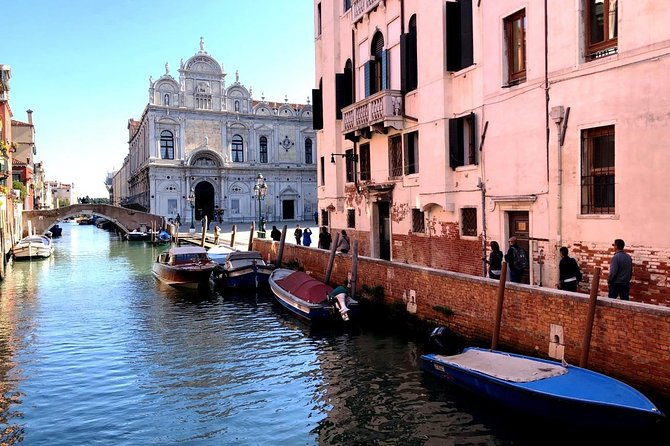
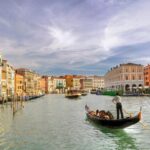
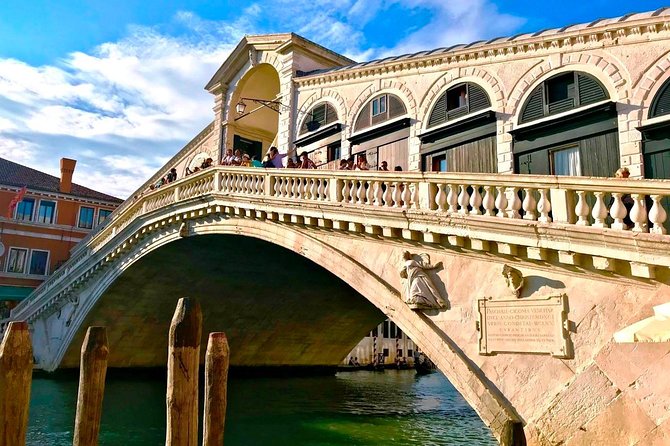
The tour begins with the Canal Grande, Venice’s main waterway that cuts the historic center into two halves. It’s about 3,800 meters long and runs in that inverted “S” shape between major points like Ponte della Libertà and Bacino di San Marco.
What I like about starting here: it gives you a mental map. Once you understand the Grand Canal’s role, you stop seeing Venice as random bridges and start seeing it as a system of neighborhoods connected by water lanes.
Time here is about 20 minutes, and there’s an admission ticket included. The value of that small ticket isn’t the paperwork—it’s that you’re guided to the right perspective at the right moment, instead of guessing where the best views are.
A drawback to note: the Grand Canal area can still be busy even early. The guide keeps you moving, but if your group stretches out, hearing and keeping pace can be harder—especially on the narrow crossings.
Piazza San Marco: The “Must-See” That Needs Context
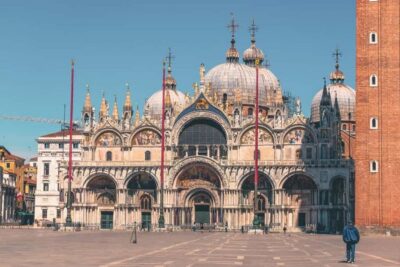
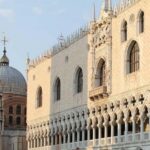
Next comes Piazza San Marco, the big public square that anchors so much of Venice’s image. The stop is short—about 5 minutes—but that’s enough time to understand why it pulls people in.
This is where a guide can change your experience. Without context, Piazza San Marco can feel like a photo-op machine. With context, it becomes the stage for Venice’s political and cultural power.
The tour notes that admission for this stop is free, which keeps the walk friction low. The real payoff is what happens next: once you’ve seen the square, you’ll have an easier time recognizing buildings you’ll pass later.
One practical tip: the plaza area is open and bright, so it’s also a great place for quick photos. But if you’re wearing nice shoes, remember: Venice walks are not strolls. They’re clever footwork over stone.
Marco Polo, Then the Church Stops That Explain Venice
After Piazza San Marco, the tour shifts into the “why Venice looks like it does” part of the morning. One stop references Marco Polo, the Venetian traveler whose Far East accounts were collected in Il Milione—a big historical reference point for how Europeans understood Asia at the end of the 13th century.
From there, you’ll hit a sequence of iconic buildings. The list on paper can sound like name-dropping. In real walking order, it works because each stop builds on the last: religion, power, and architecture in the same compact St Mark’s-adjacent area.
A key thing I look for here is pace and clarity. In past experiences with this kind of guided format, the best moments are when the guide ties visuals to stories you can remember later—like explaining why a church was built for a specific crisis, not just describing its facade.
Santa Maria della Salute: The Plague Vow Behind the Drama
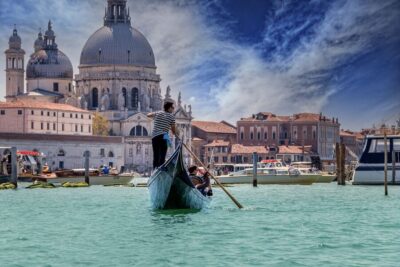
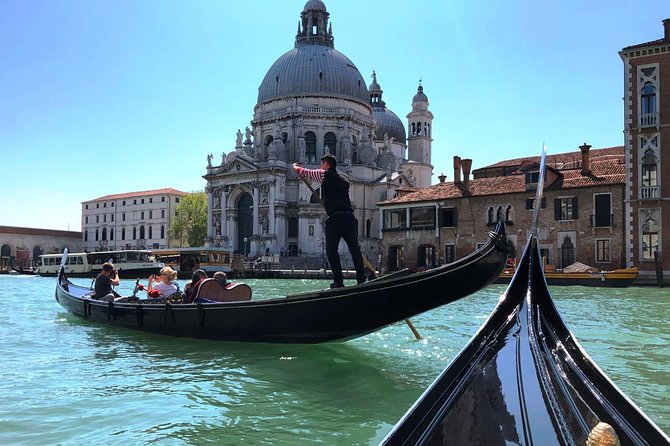
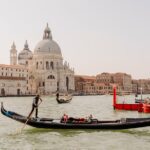
Santa Maria della Salute is one of the most dramatic baroque silhouettes in Venice, and the tour gives you the reason it’s so emotionally tied to the city.
The basilica stands in the area of Punta della Dogana and is designed by Baldassare Longhena, with attention to Palladio’s models. The tour also frames it as a votive offering made by Venetians to the Virgin Mary to save them from the plague that decimated the population in 1630–1631.
That plague story matters because it changes how you look at the building. You stop thinking only about style and start seeing it as a civic promise made in real time.
The tour also mentions that the cult became so rooted in Venice that the Virgin Mary was added among the city’s patron saints. Later, Pope Benedict XV elevated it to a minor basilica in December 1921. Even if you only catch part of the timeline while walking, you’ll feel the building’s weight.
Time for this stop isn’t spelled out as a number in the details you provided, but it’s substantial enough to photograph and listen.
La Fenice and Saints John & Paul: Opera House Power and the “Pantheon” Role
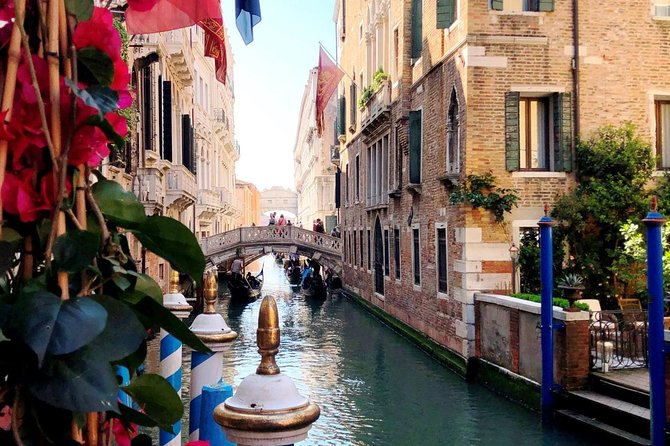
The tour then swings to Gran Teatro La Fenice, Venice’s major opera house in the San Marco area (Campo San Fantin). The notes highlight why it’s prestigious: major opera and symphonic seasons, and the traditional New Year’s Concert. It also mentions the theater’s history of being destroyed and rebuilt.
If you like opera, this stop gives you a quick “this is where it happens” anchor. If you don’t, it still helps you understand how Venice treated performance and prestige as part of daily civic life—very different from a casual entertainment mindset.
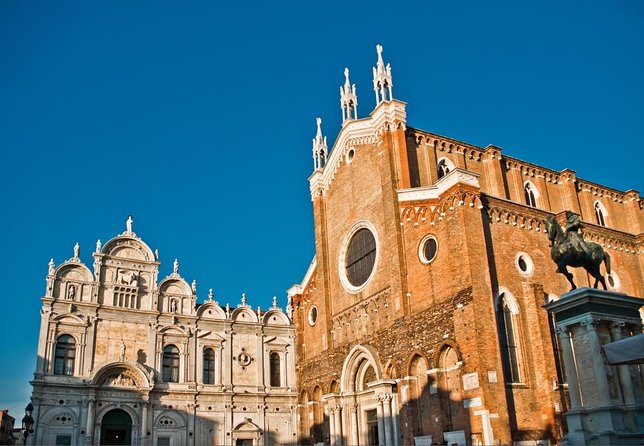
Next is the basilica of Saints John and Paul. The tour frames it as one of Venice’s most impressive medieval religious buildings, and it’s considered the pantheon of Venice because many doges and major figures are buried there since the 13th century.
This stop is especially valuable for first-timers. Venice’s cemeteries and tombs can be confusing if you don’t know what to look for. Here, the guide’s job is to give you that “this matters” lens fast.
It also notes that Pope Pius XI elevated it to minor basilica dignity in September 1922. Again, even if you don’t memorize the date, it helps connect the building to larger Catholic milestones.
Campo Santa Maria Formosa: Where the City Feels Real
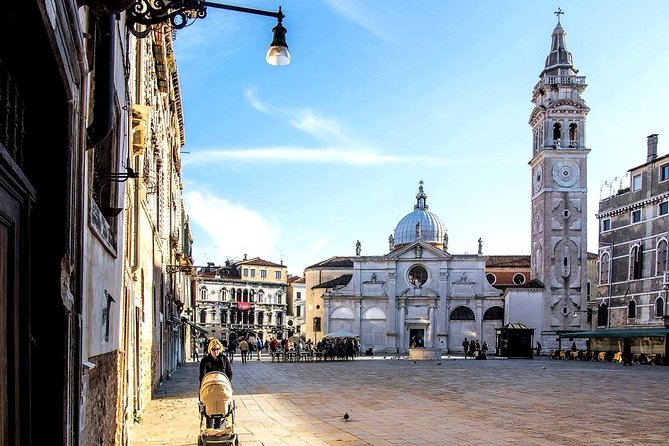
The final walk stop is Campo Santa Maria Formosa, in the Castello district. It’s described as one of the largest squares in Venice, with nine calli and eleven bridges branching off from it.
This stop is a good reset after big monuments. It’s also the kind of place where you can later wander without feeling lost, because it offers a network of lanes rather than one single landmark.
If your group is moving fast, this is the stop where you can slow down. Even in a guided tour, I like having at least one moment where you can just look around: how locals and visitors flow, where the bridges cut sightlines, and what kinds of streets lead where.
Gondola Ride: What You Get in 30 Minutes (and What You Don’t)
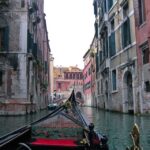
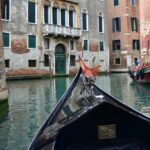
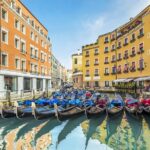
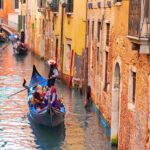
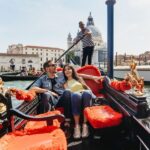
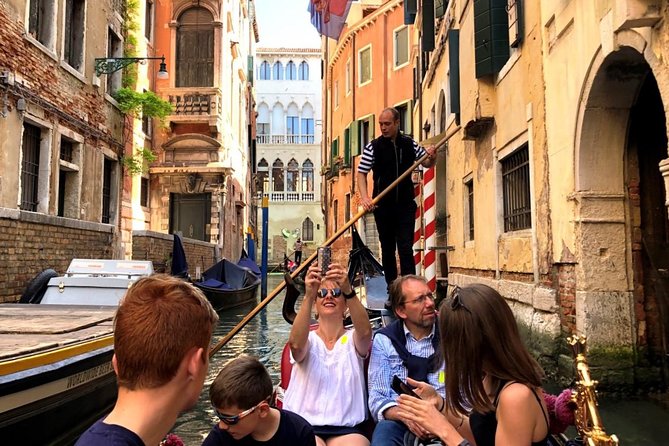
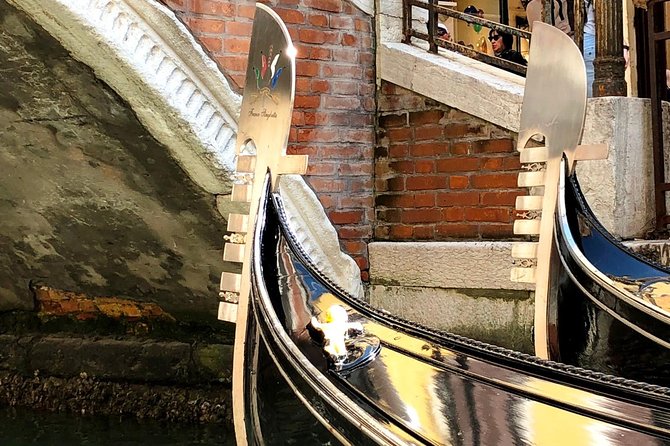
After the walking circuit, you finish with a 30-minute gondola ride in Venice. This is the part most people book for, and it mostly delivers.
Here’s what’s important and factual:
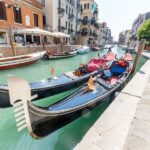
- Gondolas are shared in a collective tour
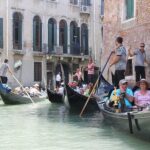
- A gondola can host up to 5 people
- If your reservation includes more than 5 people, you’ll be split into smaller groups or different gondolas
- There is no commentary during the gondola ride
So you’re buying the ride and the view, not narration. That’s also why your expectations matter. If you want history while you glide, you’ll need to rely on what you heard on the walk portion.
Also, the ride can be suspended due to bad weather. If that happens, you must go to the departure point to find out whether it runs and what alternatives are offered. In other words: don’t assume the tour is automatically canceled.
Practical note: a gondola is small. Even on a calm day, you may sit sideways, and you might feel less than “front row” depending on where your group lands. That’s normal for shared rides, and it’s worth planning your attitude around.
Price and Logistics: Does $87.70 Make Sense?
At $87.70 per person for roughly 3 hours, you’re paying for three things:
1) A guided orientation walk that helps you place Venice’s layout
2) Entry support for at least one stop (Grand Canal area)
3) A gondola ride that you otherwise would book separately
Value comes from not having to stitch together multiple reservations on a tight first-morning schedule. Also, starting early often means your walk experience is more manageable, which is hard to price until you’ve stood in long lines.
But there are tradeoffs. The walk is a collective tour, so group size can affect how much you hear and how comfortably you move through narrow lanes. And the gondola is shared, with no narration, so it can feel like a short scenic segment rather than a full guided “water lesson.”
If you’re the type who really wants a private gondola with storytelling, you may decide this is too “standard.” If you want a taste of Venice with help getting your bearings, this is usually a fair deal.
Best-Fit Travelers: Who This Tour Suits
This works especially well if you’re:
- in Venice for a first visit and want an efficient way to learn where things are
- short on time and don’t want a half-day or full-day commitment
- curious about iconic architecture, especially Santa Maria della Salute and the Saints John and Paul basilica
- traveling with kids or mixed ages, since the walking portion is limited and the gondola is a big visual payoff
It may be less ideal if you:
- are very sensitive to group pacing through crowded calli
- want guaranteed, on-the-water explanations during the gondola ride
- hate the idea of sitting sideways or sharing space with other guests
Real-World Expectations: Guides and Group Size
This type of tour can feel different depending on the guide and group energy. I’ve seen examples of guides such as Monica, Christine, and Antonella mentioned in connection with this walking style, and the common theme is that the walking portion can be the star when the guide communicates clearly.
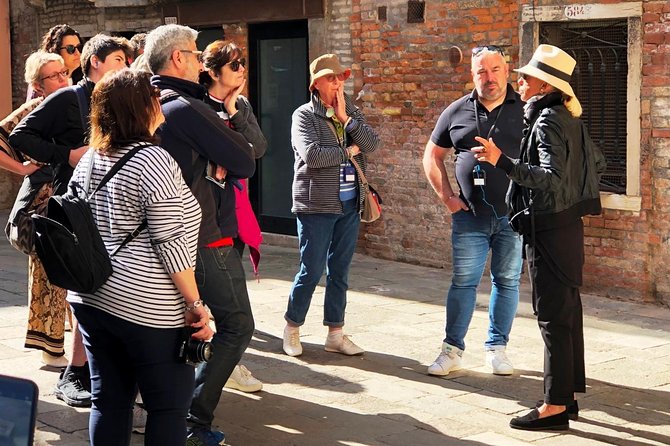
The other common variable is group spacing. On Venice sidewalks and bridges, 20-plus people can stretch out quickly. If the group goes long across bridges and narrow intersections, it can become harder to keep up or stay locked onto the guide’s voice—especially if there’s no audio assistance (some experiences mention hearing was helped by audio headsets, but it may vary).
My practical advice: don’t treat this as a relaxed walk. Treat it as a guided route with time stops. If you want total freedom, plan on wandering before or after, not during.
Quick Tips for a Smooth Morning in Venice
Here’s how I’d set yourself up for success:
- Arrive a bit early at Calle larga de l’Ascension so you’re not negotiating crowds and directions mid-tour
- Wear shoes you can trust on stone bridges and uneven pavement
- Keep your phone charged for photos—Venice drains batteries fast
- Bring a layer even in warm months; the waterfront can feel cooler than you expect
- If weather looks questionable, check at the departure point about the gondola status rather than assuming the outcome
Should You Book This Gondola + Walking Combo?
I’d book it if you want a simple plan that gets you from the Grand Canal area into St Mark’s zone with a guided thread you can follow. You get a strong “orientation plus postcard moment” mix: churches with stories, a guided look at Venice’s power centers, and then a gondola ride to cap the morning.
I’d pass or switch to a different style if you want a gondola with live narration. Since the ride includes no commentary, your historical payoff mostly happens on land. If you’re hoping for an on-water explanation session, this format won’t fully match that.
One more decision point: if you’re visiting from outside Venice for a day, you may face a €5 access fee on certain dates. The rules and exemptions are tied to Venice’s system, so check the official page linked in your tour details before you go.
If you like flexibility, this experience also offers free cancellation up to 24 hours in advance, and it can be adjusted if weather forces a gondola change. That reduces the risk of booking ahead in an unpredictable season.
FAQ
What time does the tour start?
The tour starts at 9:00am.
How long is the tour?
It’s about 3 hours total, combining a 1.5-hour walking tour and a 30-minute gondola ride.
Where is the meeting point?
The meeting point is Calle larga de l’Ascension, 30124 Venezia VE, Italy.
Is the gondola ride narrated?
No. There is no commentary during the gondola ride.
What’s included in the price?
The tour includes a guided walking tour and a gondola ride. A mobile ticket is used.
What language is the tour offered in?
It’s offered in English (and in colder months, it may be run with bilingual guides if language groups are combined).
How many people can fit in one gondola?
A gondola can host up to 5 people. Larger reservations get divided into smaller groups or different gondolas.
What happens if bad weather suspends the gondola?
If the gondola ride is suspended, you’re required to go to the tour departure point to learn whether the tour takes place and what alternative options are available.
Is a ticket required for the Canal Grande stop?
Yes, the stop listed for Canal Grande includes an admission ticket in the tour details.
Could I need to pay an access fee to enter Venice?
Possibly. There’s mention that on certain dates, day visitors staying outside Venice may be required to pay a €5 access fee, with exemptions described on Venice’s official page.