REVIEW · BANFF
Banff: Winter Tour with Dinner & Nightrise at Banff Gondola
Book on GetYourGuide →Operated by Pursuit Collection · Bookable on GetYourGuide
Banff in winter can feel like a postcard. This tour turns that look into a paced evening plan, with Banff Gondola Nightrise, a warm dinner, and guided stops built for photos.
What I really like is the mix of viewpoints and story stops, from Lake Minnewanka to the Bow Valley looks along the way. The possible drawback: because it’s an open-top winter drive, you’ll want to dress for cold wind and get comfortable with taking photos outside.
In This Review
- Key things to know before you go
- A 6-hour winter plan that actually feels efficient
- The open-top vintage car: why it matters more than you think
- Two Jack Viewpoint: the quick win stop
- Lake Minnewanka and the interpretive story talk
- Banff Avenue, Bow Falls, and the Fairmont Banff Springs views
- Best photo spots, timed for real winter light
- Sulphur Mountain at the top: the sun fading moment
- Nightrise at Banff Gondola: a winter attraction with cultural roots
- Dinner at Northern Lights Alpine Kitchen: hot, included, and practical
- Price and value: what you’re really paying for
- Guides who keep the day fun and moving
- Who this tour suits best (and who might not love it)
- Should you book this Banff winter tour?
- FAQ
- How long is the Banff Winter Tour with Dinner & Nightrise at Banff Gondola?
- What’s included in the price?
- What sights and stops are part of the tour?
- What vehicle is used on the tour?
- Is the tour offered in English?
- Can I cancel for a refund, and how far in advance?
Key things to know before you go
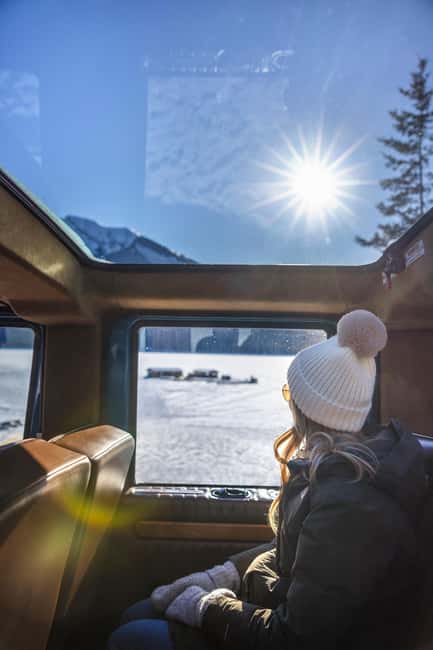
- Open-top vintage touring car: built for view-maxing and easy photo angles
- Lake Minnewanka interpretive talk: a guided story backdrop, not just a scenic stop
- Photo-stop circuit: Two Jack, Banff Avenue, Bow Falls, and views of the Fairmont Banff Springs
- Banff Gondola admission + Nightrise: a winter attraction tied to the Stoney people
- Hot buffet dinner at Northern Lights Alpine Kitchen: warm food included in the 6-hour plan
A 6-hour winter plan that actually feels efficient
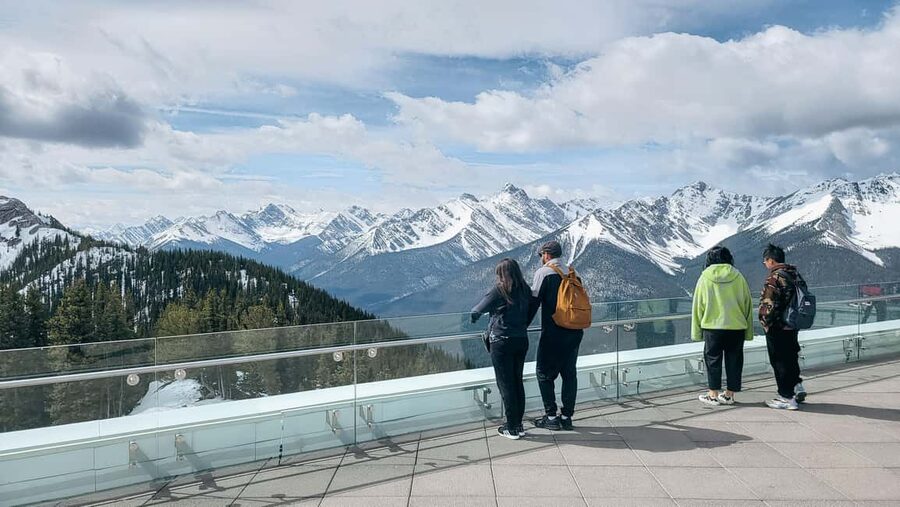
This is a tight, well-paced winter outing at about 6 hours that packs in major Banff highlights without feeling rushed. You’re not just “doing stops.” You’re getting narration, photo time, and viewpoints in a logical flow that makes the cold part of the experience instead of a nuisance.
The tour is guided in English with an on-board host who keeps things moving and answers questions as you go. If you like learning what you’re seeing—without the museum vibe—this style fits well.
You can also read our reviews of more tours and experiences in Banff.
The open-top vintage car: why it matters more than you think
The vehicle is an open-top touring automobile designed for interaction and view maximization. In winter, that matters because your best photos depend on angles, not zoom. With open views, you can frame peaks, lakes, and the valley without waiting for the “right moment” through foggy glass.
There’s also a social advantage. Even if you’re traveling with your own group, open seating and shared viewpoints make it easier to talk, point, and coordinate photos. It’s the kind of ride that turns a short drive into part of the fun, which is a theme that comes up strongly in the feedback.
Dress for wind, not just cold. Bring warm layers, and if you have them, a hat that covers ears and gloves you can still use for your camera.
Two Jack Viewpoint: the quick win stop
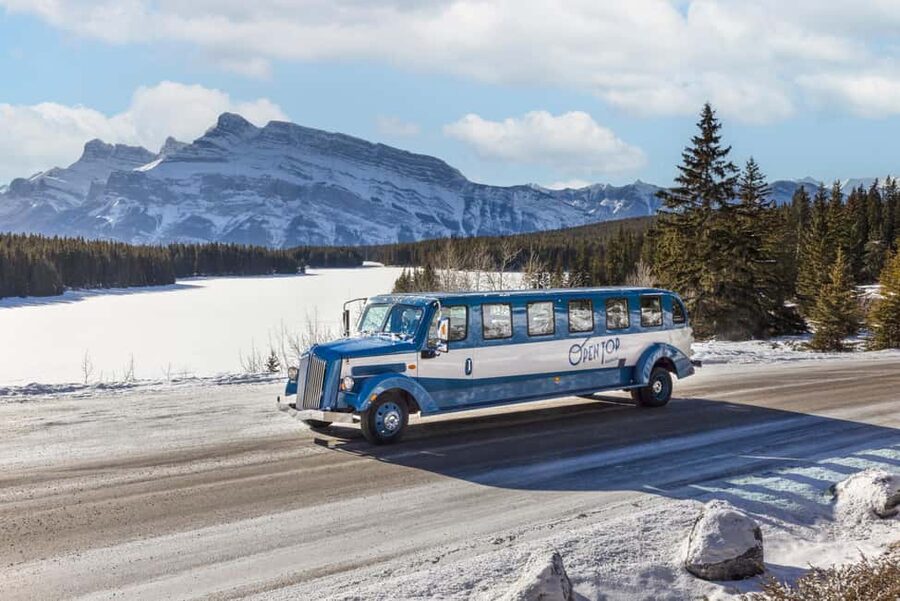
You’ll start with the kind of Banff viewpoint that makes your brain go: yes, this is the place. Two Jack Viewpoint is included, along with time to take in the winter scene and reset your bearings for the day.
This stop is also a good “warm-up” for the rest of the circuit. You get out, look around, take photos, then hop back in for the next stretch. In winter tours, that rhythm helps a lot, especially if you’re not used to standing outside for long.
Lake Minnewanka and the interpretive story talk
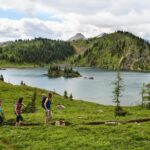
One of the most memorable parts is the interpretive talk set to the background of Lake Minnewanka. This isn’t just “here’s a lake.” The point is to give meaning to what you’re seeing—so the stop feels useful and not like a quick photo checkpoint.
Lake Minnewanka has a way of reading differently in winter. The water’s mood, the way the shoreline lines up, and the mountain backdrop all shift with light and weather. When the guide ties the story to the scenery, your photos come out better, because you’re looking with purpose.
If you’re the type who likes history and nature tied together, you’ll probably appreciate how the host uses the setting as the teaching tool.
Banff Avenue, Bow Falls, and the Fairmont Banff Springs views
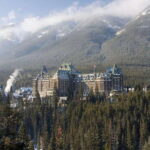
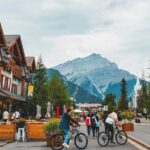
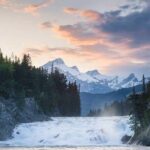
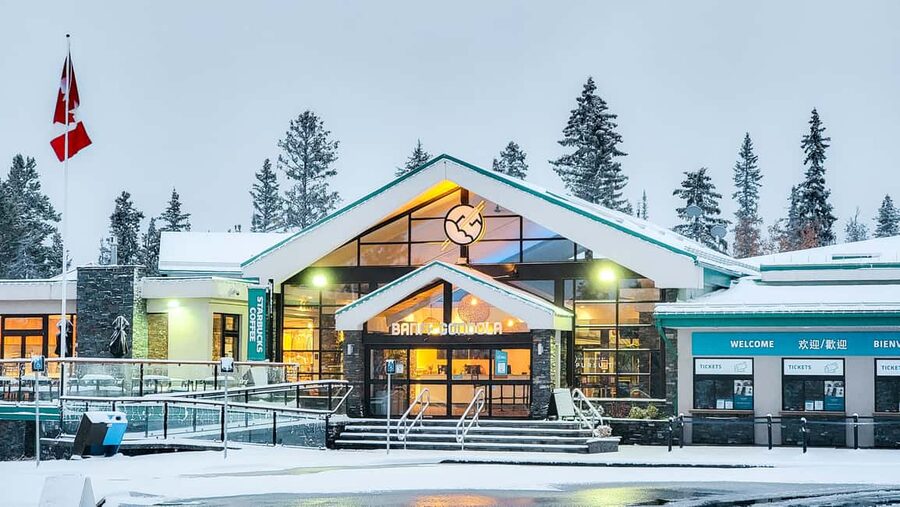
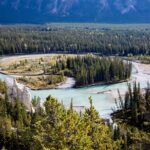
As the day rolls on, you’ll get a look at Banff Avenue and Bow Falls, plus views of the Fairmont Banff Springs Hotel. These stops bring contrast to the open-wilderness feeling you get earlier.
Here’s why this matters: Banff isn’t only mountains and lakes. It’s also the built-up heart of the valley. Seeing Bow Falls and the hotel views in winter helps you understand where the town sits in the scenery, and it gives you photo variety—urban edges paired with snowy peaks.
This section of the drive is also a nice reset if you’ve been outside and photographing continuously. Short scenic moments like this keep the energy up without demanding a long standstill.
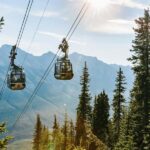
Best photo spots, timed for real winter light
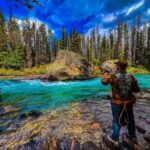
The tour is designed around photo spots. That phrase can mean anything, but here it connects to the vehicle and the stops: viewpoints you can frame, and stops that make sense in a winter light cycle.
When you’re shooting winter scenery, light can change fast. Having guidance for where to stand and where to point makes the difference between a mediocre shot and one that actually sells the drama of Banff in cold weather.
Tip: bring gloves you can remove briefly. It’s easier to manage your camera settings with one quick glove-off than to wrestle with bulky mittens every time.
Sulphur Mountain at the top: the sun fading moment
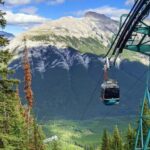
You’ll finish this main sightseeing arc with a visit to the top of Sulphur Mountain for epic winter views. The highlight described is the chance to watch the sun fade over the peaks—the kind of transition that makes snowy ridgelines look extra dimensional.
This is where the day clicks. Earlier stops are about gathering icons: lake, town, falls. Sulphur Mountain is where you get the “whole picture,” with layered views that make you understand the geography of the Bow Valley.
If you want a clear photo at sunset, you’ll usually do best arriving, getting your bearings quickly, then letting your eyes adjust while the light shifts. The host’s pacing helps you avoid wandering around at the wrong time.
Nightrise at Banff Gondola: a winter attraction with cultural roots
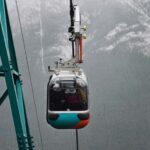
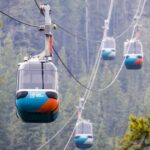
After the mountain views, you’ll enjoy Nightrise at Banff Gondola, which is described as a special collaboration with the Stoney people. You’re getting Banff Gondola admission as part of the tour, so you’re not trying to stack this ticket yourself.
What I like about this setup is that it turns Gondola time into something more than a ride. Instead of just going up and looking around, you’re timed for an event-style experience that matches the winter evening mood.
If you enjoy cultural experiences paired with a dramatic setting, this portion is likely the emotional highlight. Gondola at night changes how Banff feels—cooler, quieter, and more atmospheric than daytime sightseeing.
Dinner at Northern Lights Alpine Kitchen: hot, included, and practical
The included meal is a hot buffet dinner at Northern Lights Alpine Kitchen. This matters because winter sightseeing makes hunger show up fast. Having a warm buffet built into the day means you can refuel without hunting for food in the middle of a busy schedule.
Buffets are also practical when group timing matters. You can eat when you’re ready rather than waiting for a set service window. The dinner being included is part of the value you get for the price.
A good strategy: eat a bit early so you’re comfortable during the most visually intense parts of the evening. Then you’re not fighting cold plus hunger at the same time.
Price and value: what you’re really paying for
At $168 per person for about 6 hours, you’re paying for several bigger pieces bundled together:
- Banff Gondola admission plus the Nightrise experience
- A hot buffet dinner at Northern Lights Alpine Kitchen
- Transportation in an open-top vintage touring car
- Light snacks and refreshments, plus local taxes
If you tried to piece this together on your own, you’d likely spend time and money separately on gondola access and dinner planning. Here, the value is in convenience, plus the fact that the day is guided with photo stops and narration.
This isn’t a budget crawl. It’s a comfort-and-views winter day designed to feel smooth, even in cold weather.
Guides who keep the day fun and moving
The tour’s tone is strongly shaped by the host on board. Names like Elizabeth (often shortened to Liz) and Leyton show up in the standout feedback, with consistent themes: the guides are welcoming, they keep the day entertaining, and they’re quick to answer questions.
That kind of host makes a winter tour better because you can spend less time guessing what to do and more time enjoying where you are. Even if you’re not the type who loves structured facts, a good guide helps you notice details you’d otherwise miss.
Who this tour suits best (and who might not love it)
This fits you well if you want:
- Big Banff highlights in one organized winter evening
- Lots of photo opportunities with a guide directing you
- A winter night element (Nightrise) plus a warm included dinner
- A guided story stop at Lake Minnewanka, not just sightseeing
You might think twice if you’re sensitive to cold wind or you dislike spending time outdoors at photo stops. The open-top vehicle is a core feature. If that’s a dealbreaker for you, you’ll probably enjoy a closed-car option more.
Should you book this Banff winter tour?
Yes—if you want an efficient, guided mix of Banff Gondola Nightrise, mountain views from Sulphur Mountain, and a warm buffet dinner without stitching the day together yourself.
Book it especially if you like tours where the host actively shapes the experience. The strongest signals from the feedback are about the guides—Elizabeth/Liz and Leyton are repeatedly connected to fun storytelling and real engagement. And the open-top vintage car isn’t just a gimmick; it’s what makes the views and photos work in winter.
If you’re going for a slow, independent day with lots of downtime, this may feel too structured. But if you want a polished Banff winter evening with iconic stops and minimal hassle, this is a very solid choice.
FAQ
How long is the Banff Winter Tour with Dinner & Nightrise at Banff Gondola?
The duration is 6 hours. Check starting times for your travel dates.
What’s included in the price?
It includes Banff Gondola admission with the Nightrise experience, a hot buffet dinner at Northern Lights Alpine Kitchen, light snacks and refreshments, local taxes, and touring by an open-top vintage automobile, plus an on-board English live tour guide.
What sights and stops are part of the tour?
The tour includes Two Jack Viewpoint, Lake Minnewanka, Banff Avenue, views of Fairmont Banff Springs Hotel, Bow Falls, and a visit to the top of Sulphur Mountain for winter views.
What vehicle is used on the tour?
You’ll ride in an open-top touring automobile described as a boutique vehicle designed for interaction, engagement, and view maximization.
Is the tour offered in English?
Yes. The live tour guide is English.
Can I cancel for a refund, and how far in advance?
Free cancellation is available up to 24 hours in advance for a full refund.